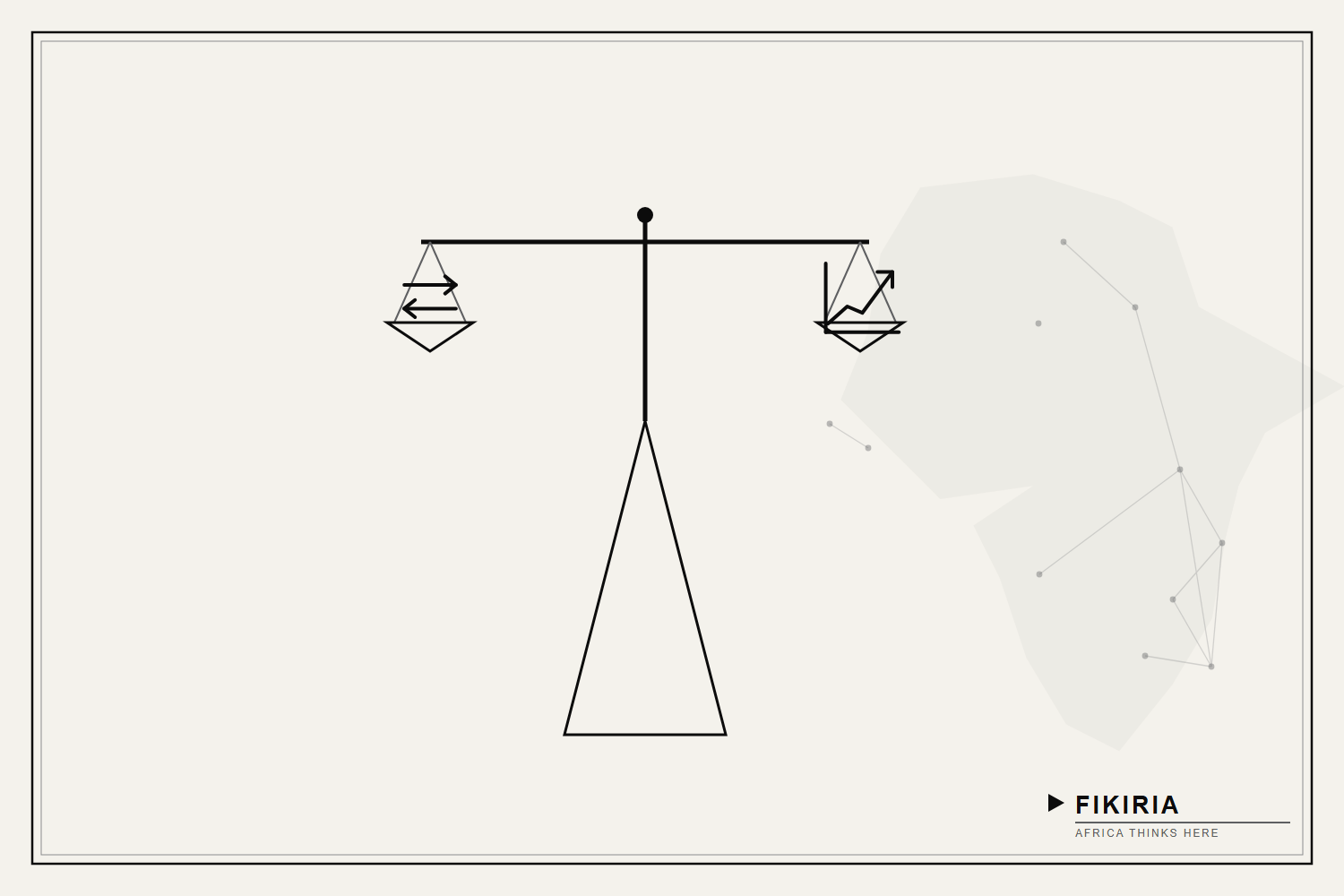

A market opens on paper long before the money moves across it. That is the gap African trade has lived with: firms could sign continental agreements, but a payment from Nairobi to Lagos still routed through a correspondent bank in London or New York, adding cost, delay and currency risk to every transaction. On 7 July, in Niamey, that gap was directly addressed. The operational phase of the African Continental Free Trade Area was launched with instruments that include a cross-border payments mechanism — a signal that the architects understood a free-trade area is only as real as its settlement system.
The Plumbing of Money: Why Settlement Is the Story
For a capital lens, the most consequential instrument launched is the one governing payments. Cross-border trade within Africa has carried an invisible tax: the cost of converting one African currency to another, usually via US$ and a third-country bank. That intermediation absorbs margin and lengthens the cash-conversion cycle, which is precisely the working-capital pressure that starves smaller exporters. By activating a payments and settlement instrument alongside rules of origin and trade information, the operational phase of the free-trade area begins to attack the financing cost buried in every cross-border invoice.
The takeaway: cheaper settlement is not a back-office detail; it is margin returned to the exporter.
Follow the Capital: Who Funds the Expansion
An enlarged market changes the funding question for East African firms. Reaching new African markets requires working capital for inventory, trade finance for shipments, and sometimes equity for new capacity. The relevant institutions are already regional: commercial banks operating across the EAC, development finance from the African Development Bank and Afreximbank, and the trade-finance desks that underwrite letters of credit along the Mombasa and Dar corridors. The operational phase does not itself provide capital, but by lowering settlement and information frictions it improves the bankability of a cross-border trade, which is what a financier ultimately prices.
The takeaway: the framework does not lend money, but it makes a trade easier to finance.
The Risk Ledger: Currency, Repayment and Who Carries It
Capital discipline means naming the risks honestly. Trading into more African markets in more African currencies raises currency exposure, and a settlement mechanism reduces but does not erase it. Repayment risk widens as counterparties multiply across jurisdictions with uneven contract enforcement. For an East African firm, the practical question is who carries each risk in the capital stack — the exporter, its bank, an insurer, or a development-finance guarantor. The instruments launched in Niamey shift some information and settlement risk onto shared continental infrastructure, but credit and currency risk still sit on someone’s balance sheet.
The takeaway: opening a market redistributes risk; it does not abolish it.
Access to the Stack: Can Local Firms Get In
The fairness test of any financing structure is whether local firms can enter it or only watch larger players use it. Smaller East African exporters have historically been rationed out of trade finance by collateral requirements and thin credit histories. A continental payments and information layer helps at the margin by making transactions more transparent and traceable, which is the raw material credit assessment needs. Whether that translates into wider access depends on regional banks and development-finance institutions building products for the smaller ticket sizes the new market will generate.
The takeaway: shared infrastructure lowers the barrier, but someone must still build the on-ramp.
So what is the decision implication for a capital-minded operator on 7 July? Treat the launch as a reason to re-examine the financing structure of cross-border trade, not to assume the money now flows freely. Calculate what your current settlement arrangements cost in fees and float, and prepare to test any continental payments channel as it becomes usable. Talk to your bank about trade-finance products sized for African, not only global, counterparties. The operational phase is, at heart, an attempt to make African trade financeable on African infrastructure. For the firm that reads its own balance sheet closely, that is where the real opportunity of the date resides.


