
A reform written in the language of macroeconomics lands, in the end, on land. On 9 September 2019 Ethiopia launched a three-year Homegrown Economic Reform Agenda to stabilise the macroeconomy, widen private participation and lift productivity in agriculture, manufacturing and services. For the built environment, the contradiction is concrete: private capital and open sectors need factories, warehouses, offices and corridors to occupy, yet the delivery of physical assets in Ethiopia runs through land, permits and engineering capacity that reform does not change overnight. The reform sets the demand; the ground decides the pace.
The Demand Signal: Opening creates a build list
An economy opening to private participation generates a demand list for physical space. Privatised and newly competitive telecoms, logistics and energy operators need networks, depots and plant; manufacturers need reliable industrial premises; a growing private sector needs commercial space in Addis Ababa and secondary cities such as Dire Dawa. The reform agenda implies a construction pipeline even where it does not name one. The takeaway: reform is a demand event for engineering and commercial property before it is anything else.
The Land Question: The permission layer
The binding constraint sits underneath every project: land tenure, permitting and compensation. Where land access is administered rather than transacted, delivery timelines depend on approvals as much as on engineering. Investors pricing an Ethiopian asset must price the permission layer — how title is held, how change of use is granted, how affected parties are compensated. Reform that opens sectors but leaves the land process slow will produce projects that are financeable on paper and stalled on site. Delay is not a neutral cost either: every month a permitted-but-unbuilt asset waits, it carries financing charges without generating revenue, which quietly erodes the return the investor priced at the outset. The takeaway: in Ethiopia, the critical path for a physical asset often runs through the permit office, not the site.
The Corridor Logic: Where value reprices
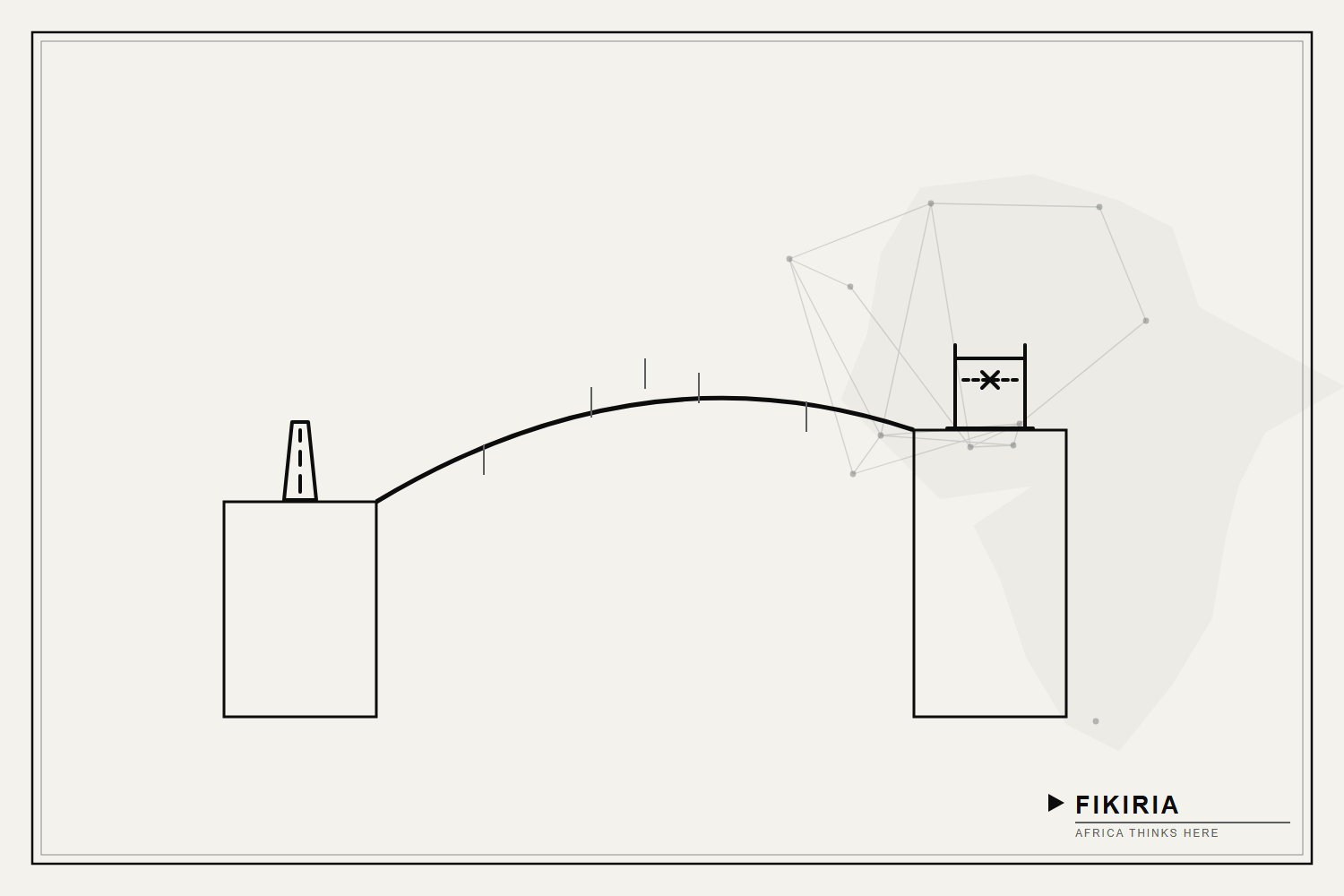
Ethiopia is landlocked and corridor-dependent, so location value concentrates along trade routes. The Djibouti–Addis corridor and the industrial and logistics nodes along it stand to reprice as private operators compete for access to imports, exports and inland distribution. Engineering capacity — contractors, materials, skilled trades — becomes the scarce input that determines how fast that potential is realised. Regional construction and logistics firms across the Horn and the EAC have corridor experience Ethiopia can use. The takeaway: the map of where property gains value follows the corridors, and the constraint is who can build along them.
The Ownership Question: Who maintains the asset
Building an asset is half the problem; owning and maintaining it is the other half. Privatisation transfers not just plant but responsibility for upkeep, and infrastructure economics turn on lifecycle cost, not construction cost. Whether new private owners fund maintenance, and whether regulation supports cost-recovery, decides if reformed assets stay productive or decay into liabilities. Institutions engaged with the country, including the World Bank, tie infrastructure returns to exactly this operating discipline. The takeaway: the durable question is not who builds the asset but who keeps it running.
The decision implication on 9 September, for a regional construction, engineering or property operator, is that the opportunity is genuine but gated by the ground. Demand for industrial, logistics and commercial space is set to rise, and corridor locations are the places to watch reprice. Before committing, price the land and permitting process as carefully as the engineering, and confirm who carries maintenance once an asset is built or privatised. Position for the pipeline, secure engineering and permitting partners early, and let clarity on land access, not the reform announcement, trigger the first spade in the ground. The operators best placed are those that can package land, permits, construction and long-run maintenance into a single accountable delivery, rather than treating each as someone else’s problem.