
A payment system has a physical footprint, even when its product is a message on a phone. Somalia’s mobile-money network runs on agent shopfronts, cash points, telecom masts and the corridors that connect them, and for years that footprint grew without a formal rulebook over the money moving across it. On 27 February 2021, the Central Bank of Somalia issued the country’s first mobile-money licence, and the property question is what the change asks of the physical assets and locations beneath the service.
Supervision does not lay a single kilometre of cable or build a single agent kiosk. It does alter the economics of the assets that carry the channel, because a supervised operator faces obligations that a location must help it meet. The map of where value is stored, converted and moved gains a new layer of rules, and some points on that map matter more as a result.
The Asset Beneath The App: A network of physical points
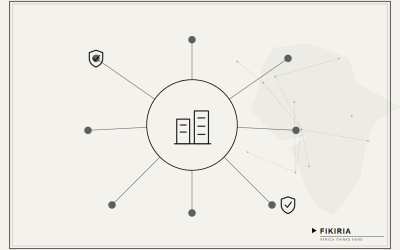
Mobile money looks weightless, and it rests on hard infrastructure. The agent, a shop or stall that turns cash into digital value and back, is the load-bearing asset of the whole system. Around it sit the telecom towers that carry the signal, the offices that reconcile balances, and the cash logistics that keep agents liquid. In Mogadishu and across the country, these points form the real estate of the payment economy.
The licence issued by the Central Bank of Somalia reaches into that footprint through the operator. Safeguarding and reporting obligations flow down to the places where funds are handled, which raises the standard an agent location must meet. Much of the value moving through these points is denominated in US dollars, which shapes how cash is held and secured at each site.
The true asset is the agent-and-tower network, and supervision now sets conditions on the places that carry it.
Who Owns And Maintains It: Responsibility along the chain
A supervised payment system needs its physical chain to hold. The operator carries the licence, and the obligation to safeguard funds runs through the agents and cash points that touch those funds daily. Ownership of the network shapes who bears the cost of meeting the standard: the operator that runs its own points carries it directly, while a franchised agent model spreads it across independent businesses.
Maintenance is the quiet cost. Cash-handling security, reliable connectivity and dependable liquidity at each agent are the physical conditions a supervised channel needs to function. A location that cannot maintain these becomes a weak link in a chain the regulator now watches. The engineering and logistics of keeping thousands of points liquid and secure move from operational preference to compliance necessity.
Ownership decides who pays to maintain the network, and maintenance decides whether the supervised chain holds.
Which Locations Reprice: Corridors and concentration
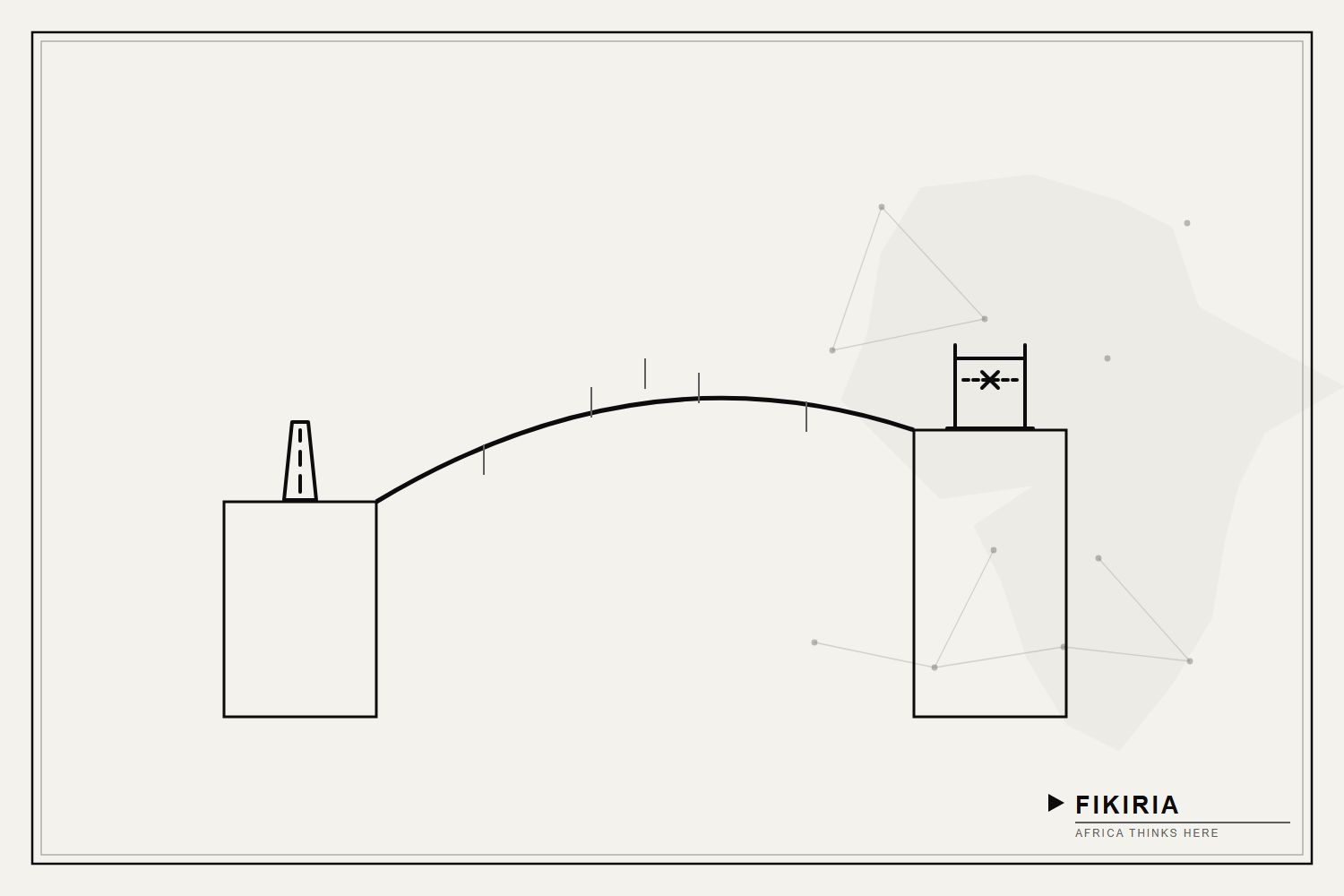
Supervision tends to concentrate value at the points best able to meet its standard. A well-run agent hub in a commercial district, with secure cash handling and strong connectivity, gains importance as a location that can carry supervised volume. Thinner points on the edges of the network face a higher bar and may consolidate. The corridors between Mogadishu and regional centres, along which cash and digital value move, gain strategic weight as the arteries of a formalised system.
That repricing is gradual and it is real. As obligations settle, the geography of the payment network sorts into points that can meet the standard and points that struggle. For anyone weighing commercial space tied to financial services, the locations that combine security, connectivity and liquidity become the ones that hold value under a supervised regime.
The locations that can carry supervised volume reprice upward, and marginal points face consolidation.
So What: The infrastructure decision this sets up
For an operator or an investor in the physical layer, the licence reframes the agent network from a commercial convenience into regulated infrastructure. The near-term work is to assess which locations can meet safeguarding and connectivity standards, and which need investment to remain part of a supervised chain.
The indicator to track is where agent density and cash-handling capacity concentrate as obligations take hold. If the network sorts toward secure, well-connected hubs along the main corridors, the physical map of Somalia’s payment economy will have been redrawn by supervision, and the locations that anchor it will be the ones worth holding.