Every successful infrastructure deal is also a template, and templates travel badly when their local scaffolding is left behind. Tanzania’s decision to bring in a global operator for part of Dar es Salaam Port is being read across the region as a model, a way to import operating capability without selling the asset. On 22 October 2023, when Tanzania signed the concession with DP World, it did more than upgrade a port; it put a strategic model on display for every government and operator weighing the same trade-off. The intellectual question is which parts of that model are genuinely portable and which are local assumptions in disguise.
The Model: Separate the Asset From the Operation
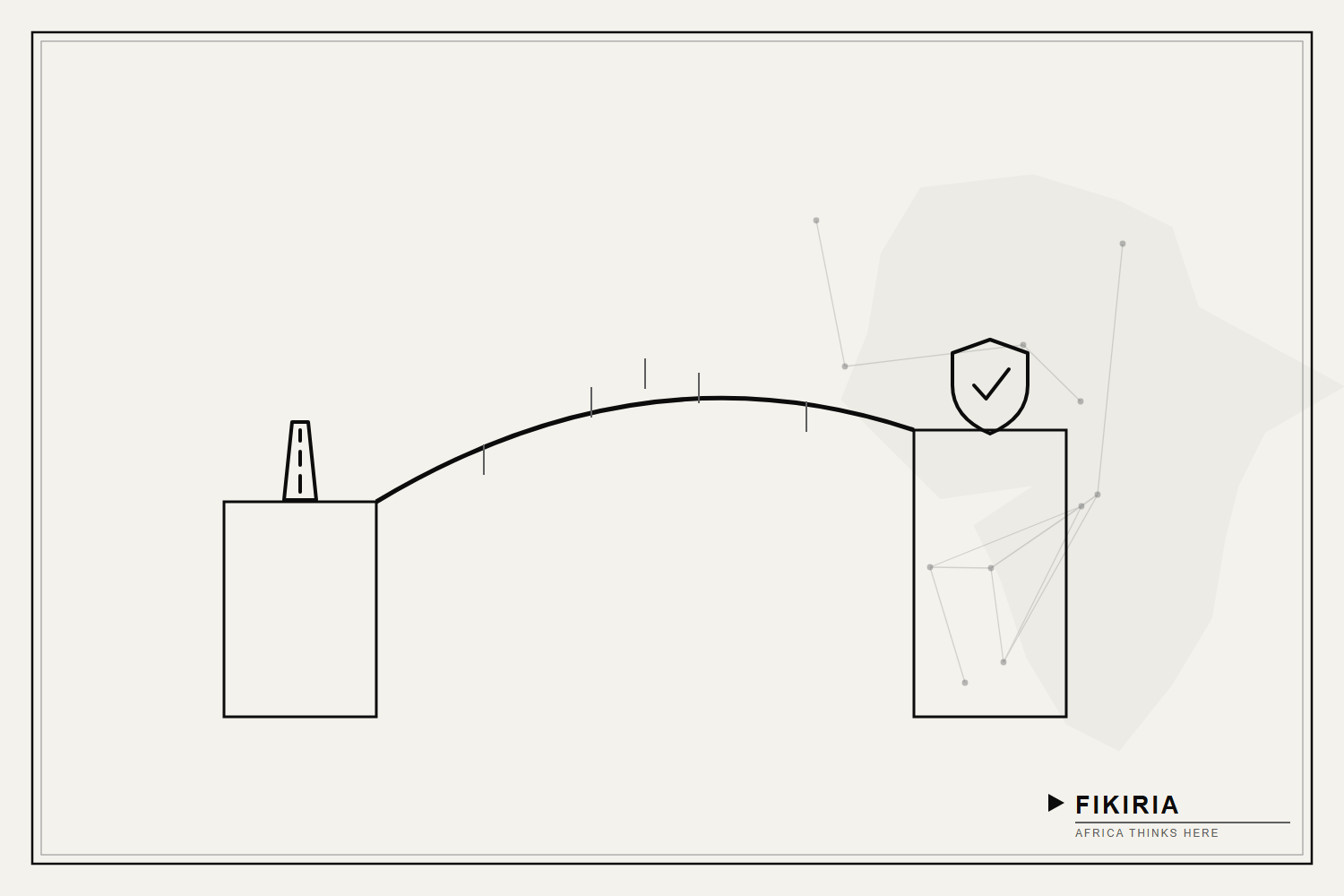
The deal’s core logic is a clean separation of ownership from operation. The state keeps the port as a strategic and financial asset while a specialist takes the operating rights, the investment obligation and the performance risk under a long-term concession. It is an old idea in global port management and a deliberate answer to a recurring African problem: how to obtain world-class operating discipline without either the fiscal cost of doing it in-house or the political cost of privatising a national asset. As a framework, it is coherent and repeatable.
Takeaway: the transferable idea is structural, keep the asset, concession the operation, and it does not depend on any single country’s specifics.
The Local Assumptions: What Might Not Copy
Beneath the clean framework sit assumptions that are anything but universal. The model presumes a legal system that can write and enforce a 30-year contract, a regulator able to hold an operator to performance standards, and a political settlement stable enough that the concession survives changes of government. It assumes cargo volumes large enough to make the operator’s investment pay, which is why a regional gateway serving Rwanda, Burundi, Zambia and eastern DRC can support a deal that a smaller, purely national port could not. Copy the structure into a market lacking that traffic, that legal capacity or that political durability, and the same document produces a very different outcome.
Takeaway: the framework is portable; the enforcement capacity, traffic base and political stability underneath it are not.
The Second-Order Effects: Data, Systems and Governance
Modern port operation is increasingly a data operation. A professional operator brings terminal management systems, performance analytics and integration with customs and shipping lines, and those systems generate valuable information about trade flows across the corridor. That raises governance questions worth naming early: who owns the operating data, how it is shared with the state and with corridor neighbours, and how customers are protected. These are not reasons to avoid the model, but they are second-order design choices that determine whether the country retains strategic insight into its own trade or cedes it along with the operation.
Takeaway: concessioning the operation can quietly concession the data, and the contract should decide that on purpose, not by omission.
The Replication Risk: Model Versus Mimicry
The danger for the region is mimicry without diagnosis, copying the headline structure because a respected neighbour did, without testing whether the local conditions hold. A sound strategic model applied to the wrong market is not a shortcut; it is a mispriced risk. The intelligent use of Tanzania’s example is to extract the principle, ownership retained, operation specialised, performance contracted, and then interrogate each local assumption before adopting it.
Takeaway: the lesson is a method, not a blueprint, and the diagnosis matters more than the imitation.
So What
For a policymaker, operator or investor studying the deal on 22 October 2023, the value is analytical. The framework, separating a strategic asset from its operation and contracting performance to a specialist, is worth carrying into other ports, corridors and even non-port infrastructure across East Africa. The discipline is to test the three local assumptions, enforcement capacity, traffic base and political durability, before assuming the result travels, and to settle the data and governance questions in the contract rather than after the fact. The decision implication is to treat Dar es Salaam as a case to reason from, not a template to copy, and to price the difference between the two.