
The Democratic Republic of Congo holds some of the planet’s richest copper and cobalt, yet for decades its metal has reached global buyers by the longest possible journey — thousands of kilometres of road and ageing rail toward ports in the south and east, with trucks that queue for days at borders. On 26 October 2023, a different geometry was put on the table. In Washington, the United States, the European Union, Angola, Zambia, the DRC and a group of financing partners agreed to develop the Lobito Corridor, rehabilitating existing rail and building a new link toward Zambia to move Congolese and Zambian minerals west to the Atlantic port of Lobito. For a country whose export economics are defined by distance, this lands first of all as a property and engineering story.
The Route: Pointing Kolwezi at the Atlantic
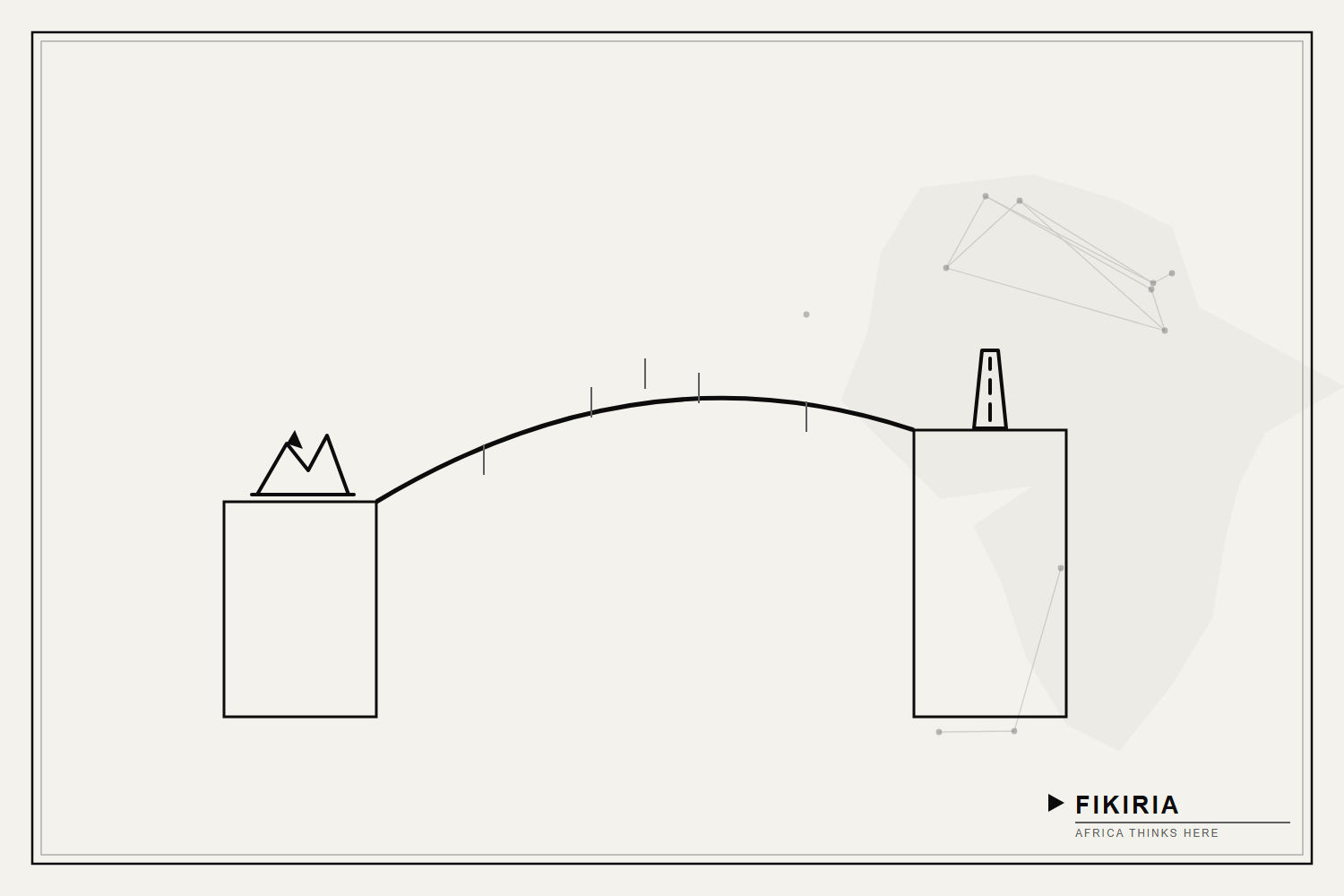
The corridor’s logic begins in the copperbelt around Kolwezi and Lualaba, where most of the country’s mined value is created and where, today, that value travels a very long way to water. The Lobito route offers a shorter westward path to the Angolan coast, converting a geographical penalty into something closer to parity with competing producers. The partnership set out in Washington frames the work as rehabilitation plus extension — fixing the line that already runs to the sea, then adding the missing connection toward the Zambian border. For the DRC the near-term asset is therefore a link into an existing railway, not a greenfield line across the whole republic.
The takeaway is plain: the first thing this corridor changes is the length of the trip, not the location of the mine.
The Build: Where delivery is actually decided
Announcements are cheap; delivery is not. The variables that will determine whether the corridor performs are unglamorous and local — land assembly along the alignment, permitting, compensation for affected communities, and the engineering capacity to bring track, sidings, bridges and signalling to a reliable standard. A rail corridor is only as quick as its worst bottleneck: a single weak bridge, an unresolved land parcel or an under-maintained section throttles the entire line. The Congolese portion raises the sharpest of these questions, given terrain and the institutional coordination required between provincial and national authorities to clear right-of-way and sequence the works.
The takeaway: this corridor will be won or lost in permits, land and maintenance, not in the signing room.
The Property Question: Which locations could reprice
For operators in industrial and commercial property, the live question is where value migrates. A working westbound corridor raises the appeal of logistics land near Kolwezi and along the alignment — sites for dry ports, warehousing, container handling, fuel depots and truck-to-rail transfer yards. Ownership and maintenance responsibility will shape those bets: who holds the concession, who carries upkeep, and on what terms third parties may build alongside the line. Until those answers are public, repricing is a thesis rather than a transaction. Costs will also straddle two currencies — dollar-denominated freight and equipment against wages, land and services paid in Congolese francs — which any developer must model rather than assume away.
The takeaway: corridors reprice the ground beside them long before the first through-train.
So what for an African operator
For a Congolese developer, logistics operator or industrial landlord, 26 October is a prompt to map exposure, not yet to commit capital. The decision implication is concrete: identify parcels, sidings and yard capacity along the westward alignment; watch for the concession and maintenance structure to be published; and test any location thesis against the corridor’s real bottlenecks rather than its headline. The Atlantic option is now on the map. Turning it into rents and throughput depends on the parts of the project that never make the announcement — the land files, the bridge inspections and the maintenance budget that decide whether the line runs full or empty.