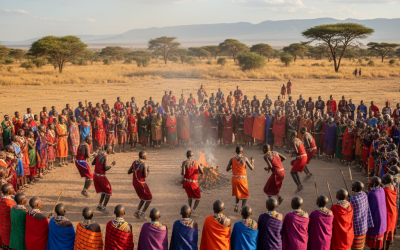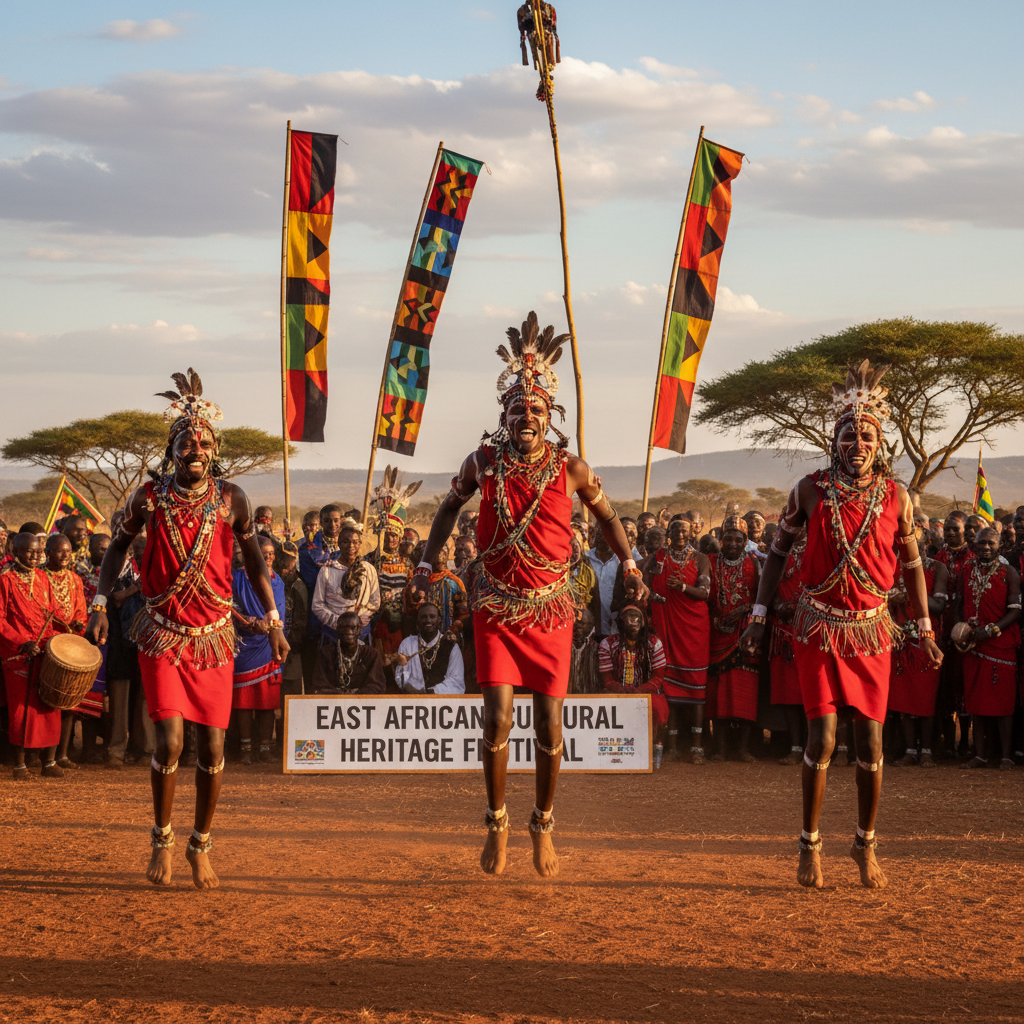
East Africa’s local festivals are a vibrant celebration of the region’s rich cultural heritage, showcasing its diversity, traditions, and artistic expressions. These festivals provide a platform for communities to preserve their identity while promoting unity and tourism. From traditional ceremonies to contemporary arts showcases, East African festivals are deeply rooted in history yet continuously evolving to reflect modern influences. This article highlights the cultural significance of these festivals and their impact on local economies and communities.
Preserving Heritage Through Festivals
Local festivals serve as living archives of East Africa’s cultural history. Events like the Lamu Cultural Festival in Kenya and the Bagamoyo Arts Festival in Tanzania celebrate traditional music, dance, and craftsmanship. These festivals not only entertain but also educate younger generations about their roots, ensuring that cultural practices are passed down.
For example, the Lamu Cultural Festival highlights Swahili heritage with dhow races, henna painting, and poetry recitals, offering a glimpse into the traditions of the coastal communities. Such events reinforce cultural pride and foster a sense of belonging among participants and spectators alike.
Promoting Artistic Expression and Innovation
Beyond tradition, East African festivals are platforms for contemporary artistic expression and creativity. Events like the Nyege Nyege Festival in Uganda showcase a fusion of traditional and modern music, drawing artists and audiences from across the continent and beyond.
These festivals encourage innovation, providing opportunities for emerging artists to perform, network, and gain exposure. The blending of cultural and modern elements reflects East Africa’s dynamic identity and its ability to adapt while staying connected to its roots.
Driving Tourism and Economic Growth
Local festivals are major drivers of tourism, attracting both domestic and international visitors. Tourists attending festivals contribute to local economies by spending on accommodation, food, and crafts. For instance, Zanzibar’s Sauti za Busara music festival draws thousands of attendees annually, generating significant revenue for the island.
Additionally, festivals provide a marketplace for artisans, performers, and vendors to sell their goods and services, creating income opportunities for communities. The economic ripple effect of these events supports livelihoods and encourages the growth of related industries.
Fostering Unity and Social Cohesion
East Africa’s festivals bring people from diverse backgrounds together, promoting understanding and harmony. Events such as the Lake Turkana Cultural Festival in Kenya unite 14 different ethnic groups, fostering peace and collaboration in a historically volatile region.
These gatherings create spaces for dialogue and mutual appreciation, strengthening social bonds and showcasing the power of cultural diversity as a unifying force.
Challenges in Sustaining Festivals
Despite their importance, local festivals face challenges such as limited funding, logistical difficulties, and the impacts of global crises like the COVID-19 pandemic. Addressing these issues requires collaboration between governments, private sponsors, and cultural organizations to ensure the sustainability and growth of these events.
Conclusion
Local festivals in East Africa are more than just celebrations; they are vital cultural and economic pillars that preserve heritage, promote artistic innovation, and foster unity. By supporting these events and addressing the challenges they face, stakeholders can ensure that East Africa’s rich cultural tapestry continues to thrive and inspire future generations.
UNESCO – Cultural Festivals in East Africa
https://www.unesco.org/cultural-festivals
World Tourism Organization – Festivals as Economic Drivers
https://www.unwto.org/festivals-tourism
The Guardian – African Festival Stories
https://www.theguardian.com/festival-stories-africa
 WhatsApp for a Google-Ready Website