
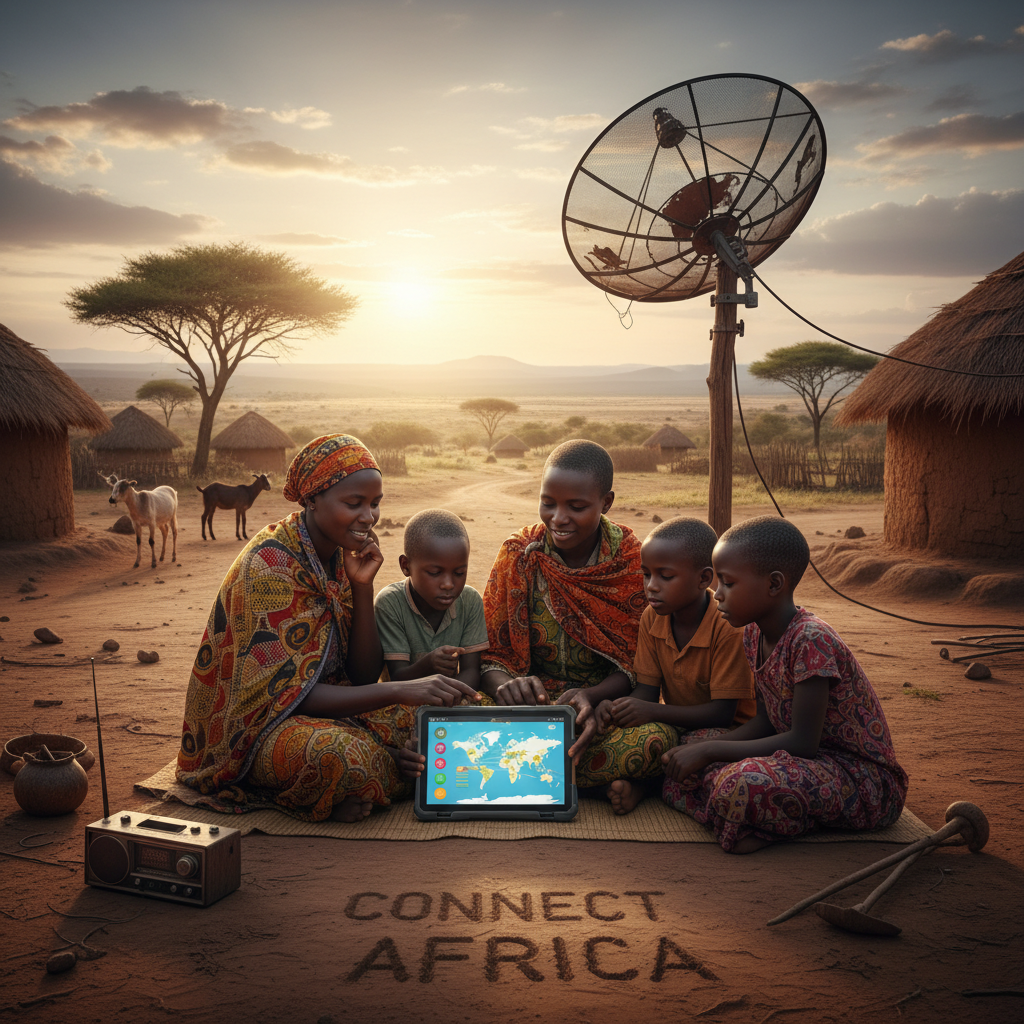
The digital revolution has transformed economies and societies worldwide, but many regions in East Africa still face significant barriers to digital inclusion. Limited internet access, inadequate infrastructure, and a lack of digital literacy hinder the region’s ability to fully participate in the global digital economy. Bridging the digital divide is crucial for unlocking East Africa’s economic potential, improving education, and enhancing the quality of life for millions. This article explores initiatives, challenges, and opportunities in bridging this divide and fostering digital inclusion.
Infrastructure Development: Expanding Connectivity
Expanding broadband infrastructure is a cornerstone of bridging the digital divide. Projects like Google’s Loon, which uses high-altitude balloons to deliver internet, have provided temporary solutions to remote areas. However, sustainable infrastructure development is necessary for long-term impact.
Governments across East Africa are partnering with private companies to extend fiber optic networks and mobile broadband. For example, Liquid Telecom has connected thousands of schools and businesses to high-speed internet, transforming education and commerce in rural areas.
Promoting Digital Literacy
Access to technology is only part of the solution; equipping people with the skills to use digital tools effectively is equally important. Digital literacy programs targeting rural populations, women, and youth are essential for ensuring inclusive growth.
Organizations like UNESCO have launched community-based initiatives to teach digital skills, including basic computer use and online entrepreneurship. These programs are empowering marginalized groups to participate in the digital economy, enhancing their livelihoods and opportunities.
Addressing Affordability
The cost of devices and internet services remains a major barrier to digital inclusion in East Africa. Many families cannot afford smartphones or data packages, limiting their access to online resources and opportunities.
Innovative solutions like subsidized internet plans and affordable smartphones are helping to address this challenge. Companies such as Safaricom and Airtel have introduced low-cost bundles tailored to rural users, while government-backed programs distribute affordable devices to schools and low-income households.
Economic and Social Impact
Bridging the digital divide has far-reaching benefits. Improved connectivity enables farmers to access market information, students to pursue online education, and entrepreneurs to reach global customers. Studies show that a 10% increase in internet penetration can boost GDP growth by 1.5% in developing countries.
Moreover, digital inclusion fosters innovation, enabling tech startups in East Africa to address local challenges through scalable solutions. Enhanced connectivity also strengthens health systems by facilitating telemedicine and improving access to healthcare information.
Challenges and the Way Forward
Despite progress, challenges such as regulatory hurdles, cybersecurity risks, and geographical constraints persist. Governments and private sector players must collaborate to develop policies that promote investment in infrastructure, protect users from cyber threats, and encourage innovation.
Public-private partnerships and international funding will be key to accelerating digital inclusion. By focusing on affordability, infrastructure, and digital skills, East Africa can close the digital divide and create a more equitable digital future.
Conclusion
Bridging the digital divide in East Africa is not just a technological necessity but a critical driver of economic and social development. By expanding infrastructure, promoting digital literacy, and addressing affordability, the region can unlock its full potential in the global digital economy. Collaborative efforts between governments, private companies, and international organizations will ensure that no one is left behind in this digital transformation.
BBC – Google Loon in Africa
https://www.bbc.com/news/loon-internet-africa
UNESCO – Bridging the Digital Divide
https://www.unesco.org/en/bridging-digital-gap
World Bank – Internet Connectivity for Growth
https://www.worldbank.org/en/internet-growth-africa
 WhatsApp for a Google-Ready Website


