Tourism is a vital pillar of economic growth in East Africa, and leaders in Tanzania and Kenya are driving transformative changes to make the industry more sustainable, inclusive, and competitive. By blending innovation, conservation, and cultural promotion, these visionaries are enhancing the region’s global appeal while empowering local communities. This article highlights the individuals and initiatives reshaping tourism in Tanzania and Kenya, fostering economic growth and environmental stewardship.
Promoting Sustainable Eco-Tourism
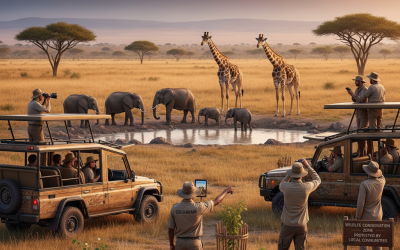
Eco-tourism has become a central focus for many leaders in the East African tourism sector. Entrepreneurs like Damian Bell, founder of Honeyguide Foundation in Tanzania, have pioneered community-based conservation efforts. Honeyguide collaborates with local communities to manage wildlife conservancies, offering authentic safari experiences that benefit both nature and people.
Similarly, Kenya’s Paula Kahumbu, CEO of WildlifeDirect, has been a vocal advocate for protecting wildlife through tourism. Her initiatives promote responsible travel practices while raising awareness about the importance of conservation.
Innovating Luxury Safari Experiences
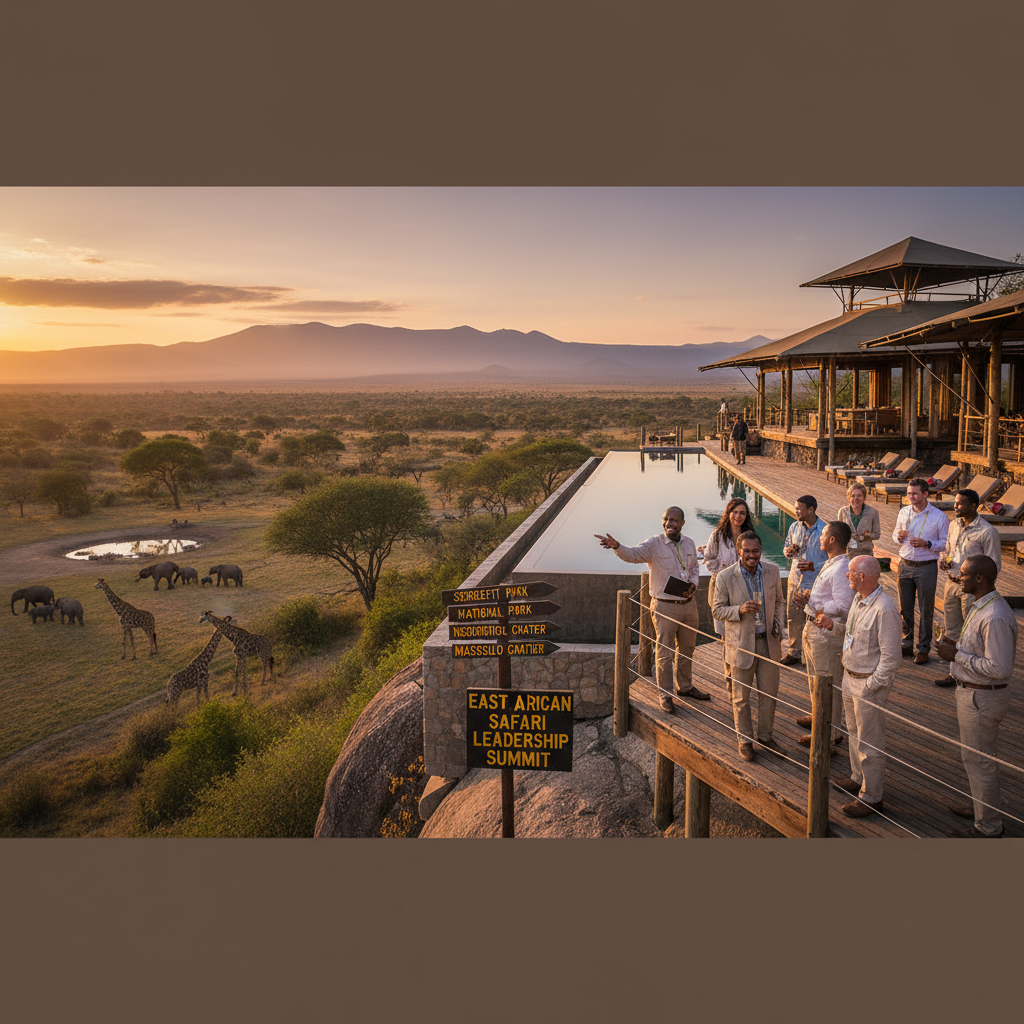
Leaders in the tourism industry are also redefining luxury safari experiences, catering to high-end travelers seeking exclusivity and comfort. Innovations such as private mobile camps and boutique lodges have elevated the safari industry, attracting affluent tourists from around the globe.
In Tanzania, Asilia Africa has set new standards for luxury eco-tourism by combining sustainability with exceptional service. In Kenya, Angama Mara offers breathtaking views of the Maasai Mara alongside personalized experiences, making it a favorite among international travelers.
Harnessing Technology to Enhance Experiences
Technology is playing a pivotal role in modernizing tourism. Platforms like Safaricom’s M-TIBA allow tourists to access health insurance while traveling, ensuring peace of mind. Additionally, virtual reality (VR) experiences are being developed to showcase East Africa’s natural wonders, giving potential travelers a glimpse of the region’s beauty.
Kenyan entrepreneur Mike Macharia, founder of Seven Seas Technologies, has leveraged tech innovations to improve service delivery in the hospitality sector. His solutions enhance customer experiences, streamline operations, and promote East Africa as a world-class destination.
Empowering Local Communities
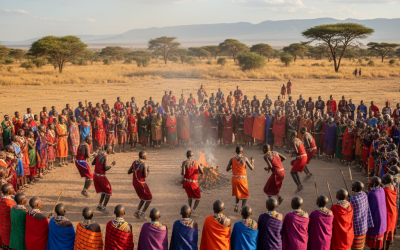
Tourism leaders are ensuring that the industry benefits local communities by creating jobs, supporting artisans, and promoting cultural heritage. Initiatives like the Mara Naboisho Conservancy in Kenya focus on community-managed tourism, where local Maasai families earn a share of tourism revenue.
Similarly, in Tanzania, programs like Cultural Tourism Enterprises enable local villagers to offer cultural tours, showcasing their traditions and generating income. These efforts ensure that tourism contributes to sustainable development and community well-being.
Challenges and the Path Forward
Despite the progress, challenges such as climate change, over-tourism in popular destinations, and the recent impacts of COVID-19 continue to test the resilience of the tourism sector. Industry leaders must collaborate with governments and stakeholders to implement policies that promote resilience, diversify tourism products, and safeguard natural resources.
Conclusion
Leaders in Tanzania and Kenya are transforming tourism by promoting sustainability, leveraging technology, and empowering local communities. Their efforts are not only enhancing the region’s appeal as a premier travel destination but also ensuring that tourism remains a force for good. By continuing to innovate and prioritize conservation, these trailblazers are shaping a brighter future for East African tourism.
Travel Africa Magazine – Tourism Pioneers
https://travelafricamag.com/tourism-pioneers-kenya-tanzania
African Wildlife Foundation – Eco-Tourism Leaders
https://www.awf.org/tourism-leaders
UNWTO – Economic Impact of Tourism
https://www.unwto.org/africa-tourism-impacts
 WhatsApp for a Google-Ready Website