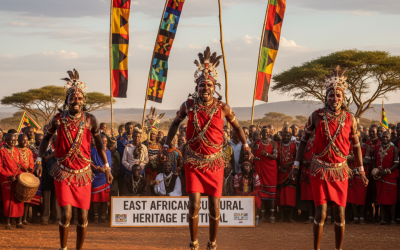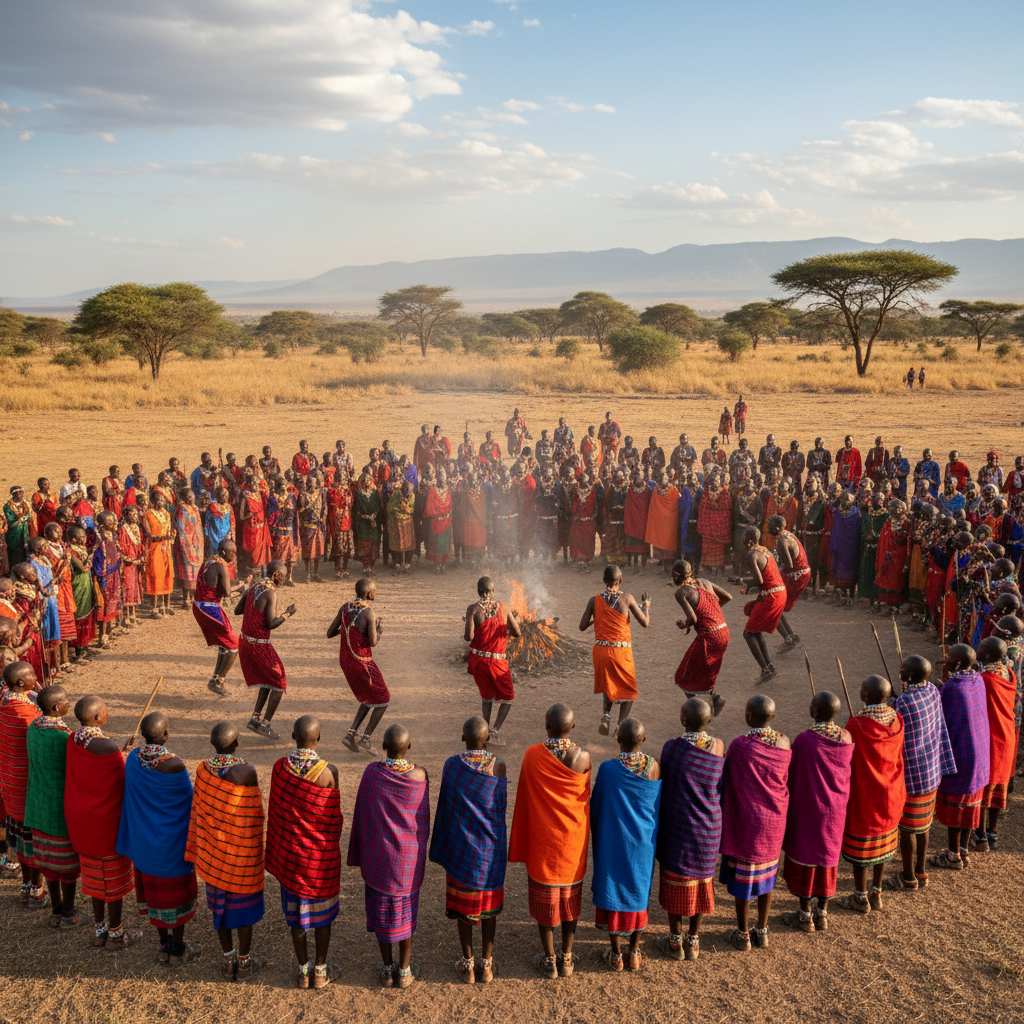
Cultural festivals are more than just celebrations; they are vital expressions of heritage, unity, and pride. In East Africa, these festivals play a significant role in preserving traditions, boosting tourism, and fostering a sense of identity among communities. From music and dance to art and storytelling, cultural festivals showcase the diversity and vibrancy of the region’s cultures. This article explores how these events strengthen East African identity while driving economic and social benefits.
Celebrating Heritage and Traditions
Cultural festivals serve as platforms for communities to celebrate their unique heritage and traditions. Events like the Lamu Cultural Festival in Kenya and the Nyege Nyege Festival in Uganda bring together music, dance, and local crafts that reflect the rich history of their respective regions.
For instance, the Lamu Cultural Festival highlights Swahili heritage through dhow races, traditional dances, and poetry recitals. Similarly, Nyege Nyege blends traditional and contemporary music, creating a space where East African cultures meet modern artistic expressions.
Boosting Tourism and Local Economies
Cultural festivals are significant drivers of tourism in East Africa. They attract both domestic and international visitors, generating revenue for local businesses, artisans, and hospitality providers. Events like Zanzibar’s Sauti za Busara, an annual music festival, bring in thousands of tourists, contributing millions to the local economy.
These festivals also provide a platform for local artisans to showcase and sell their crafts, boosting livelihoods and preserving traditional art forms. The economic ripple effect extends to transportation, accommodation, and food services, benefiting entire communities.
Fostering Unity and Social Cohesion
In a region with diverse ethnic groups and languages, cultural festivals play a crucial role in fostering unity. They provide opportunities for different communities to share their traditions and learn from one another, promoting mutual respect and understanding.
For example, Tanzania’s Serengeti Cultural Festival celebrates the customs of the Maasai, Chagga, and other ethnic groups, creating a sense of togetherness and appreciation for diversity. Such events strengthen social cohesion and national pride.
Challenges in Sustaining Cultural Festivals
Despite their importance, cultural festivals face challenges such as inadequate funding, logistical hurdles, and the impact of global crises like COVID-19. To ensure their sustainability, governments, private sector players, and cultural organizations must collaborate to provide financial support, promote the events, and preserve the cultural heritage they represent.
Conclusion
Cultural festivals are invaluable assets to East Africa, enriching the region’s identity, fostering unity, and driving economic growth. By celebrating heritage, boosting tourism, and bringing communities together, these events play a vital role in shaping the cultural narrative of East Africa. With continued support, cultural festivals will continue to thrive, preserving traditions and inspiring future generations.
UNESCO – Cultural Festivals in East Africa
https://www.unesco.org/cultural-festivals
World Tourism Organization – Festivals as Economic Drivers
https://www.unwto.org/festivals-tourism
The Guardian – African Festival Stories
https://www.theguardian.com/festival-stories-africa
 WhatsApp for a Google-Ready Website