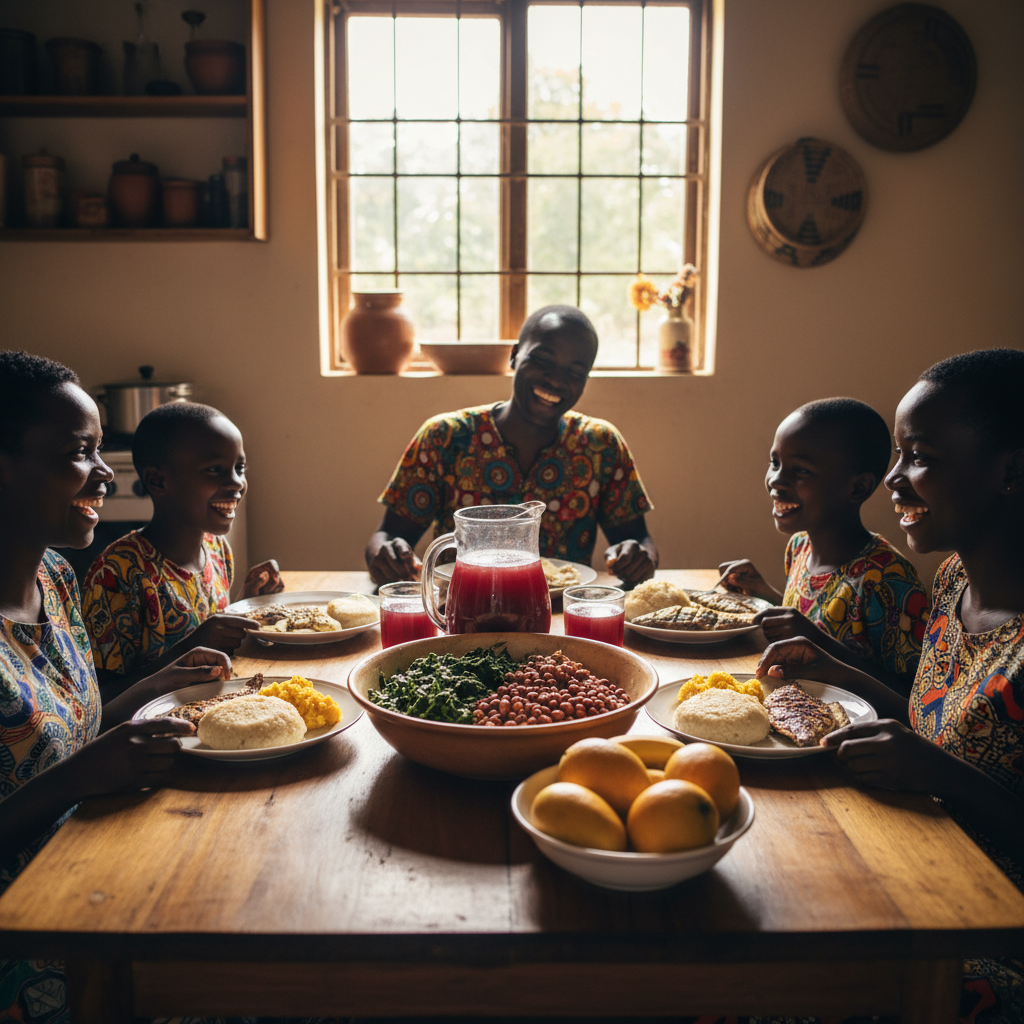
Healthy living is essential for overall well-being, yet many families in East Africa face challenges in maintaining a healthy lifestyle due to financial constraints. However, staying healthy doesn’t have to be expensive. With a focus on affordable nutrition, physical activity, and mental wellness, families can lead balanced lives without straining their budgets. This article offers practical tips for achieving healthy living on a budget, tailored to the East African context.
Affordable Nutrition: Eating Healthy on a Budget
Good nutrition is the cornerstone of healthy living, and East Africa’s rich agricultural diversity provides numerous affordable options:
Locally Available Foods: Staples like maize, millet, beans, and green vegetables are nutrient-dense and cost-effective. Incorporating these foods into daily meals ensures a balanced diet.
Seasonal Produce: Buying fruits and vegetables in season is not only affordable but also supports local farmers. Options like mangoes, bananas, and spinach are widely available and inexpensive.
Home Gardening: Families can grow their own vegetables, such as kale and tomatoes, in small backyard gardens or containers, reducing food expenses and improving nutrition.
Physical Activity: Staying Active Without a Gym
Staying physically active doesn’t require expensive gym memberships or equipment. Here are some low-cost ways to stay fit:
Walking and Running: Walking to work, school, or the market is an excellent way to incorporate exercise into daily routines. Running or jogging in public spaces like parks is also free and effective.
Community Sports: Participating in local soccer, volleyball, or netball leagues is a fun and affordable way to stay active and socialize.
Home Workouts: Bodyweight exercises like push-ups, squats, and sit-ups can be done at home with no equipment needed.
Mental Wellness: Prioritizing Emotional Health
Mental health is an integral part of overall wellness. Families can adopt simple, budget-friendly practices to maintain emotional well-being:
Mindfulness Practices: Deep breathing exercises and mindfulness meditation are effective stress relievers that require no financial investment.
Family Time: Spending quality time together, such as cooking meals or playing games, fosters emotional connections and reduces stress.
Community Support: Joining local support groups or faith-based organizations provides a sense of belonging and shared purpose.
Community Resources for Healthy Living
East Africa is home to various community-based initiatives that promote healthy living. Programs like free fitness classes at community centers and subsidized health check-ups make wellness accessible to families with limited means. Additionally, local NGOs and government campaigns often distribute educational materials on nutrition and exercise, helping families make informed choices.
Conclusion
Healthy living on a budget is achievable with the right strategies and resources. By prioritizing affordable nutrition, incorporating physical activity into daily routines, and nurturing mental wellness, East African families can lead balanced lives without overspending. Leveraging local resources and making small lifestyle changes can make a significant difference in health and well-being.
FAO – Healthy Diets on a Budget
https://www.fao.org/healthy-diets-africa
WHO – Physical Activity in Low-Income Settings
https://www.who.int/physical-activity-guidelines
Mental Health Africa – Coping on a Budget
https://www.mhinnovation.net/mental-health-africa
 WhatsApp for a Google-Ready Website