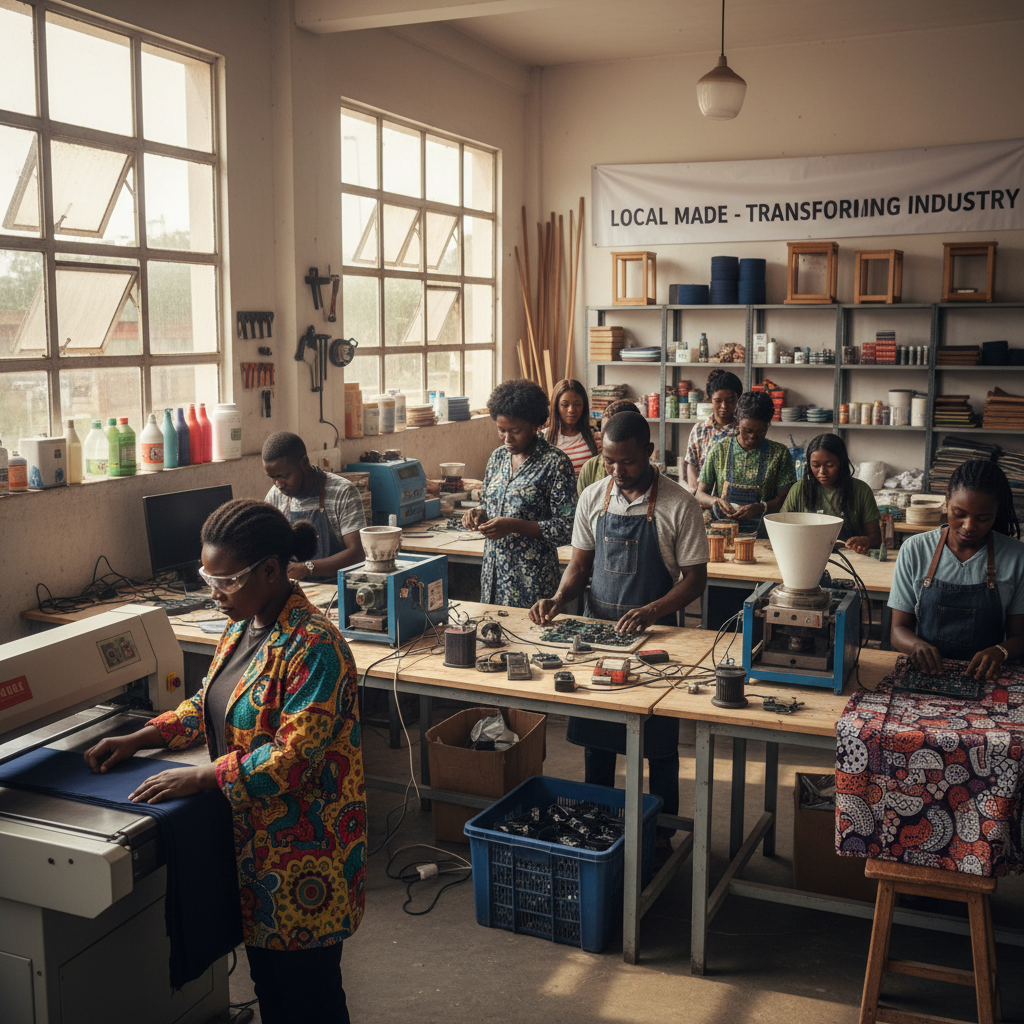
Small and medium-sized enterprises (SMEs) are the backbone of East Africa’s economy, driving innovation, creating jobs, and contributing significantly to GDP. In the industrial sector, SMEs play a pivotal role in advancing industries such as manufacturing, construction, and agro-processing. Despite facing challenges such as limited access to finance and infrastructure, these businesses are transforming East Africa’s industrial landscape through resilience, innovation, and strategic partnerships. This article explores the impact of SMEs on industrial development in East Africa and the strategies that enable their growth.
The Role of SMEs in Industrial Development
SMEs contribute significantly to industrialization by filling gaps in supply chains and creating value through local production. In sectors such as textiles and food processing, SMEs are addressing regional demand for locally manufactured goods, reducing reliance on imports and supporting economic self-sufficiency.
For example, a Ugandan SME specializing in leather products has developed a niche market by producing high-quality bags and shoes for local and regional markets. Similarly, in Kenya, SMEs in the construction sector are providing prefabricated building materials, contributing to the region’s rapid urbanization.
SMEs also serve as incubators for innovation. By adopting technology and exploring sustainable practices, these businesses drive efficiency and create competitive products tailored to the local market.
Innovations Driving SME Success
East African SMEs are leveraging innovation to overcome resource constraints and scale their operations. Many have adopted digital tools to streamline operations, enhance customer engagement, and expand market reach. For instance, agro-processing SMEs use mobile apps to connect directly with farmers and consumers, reducing costs and ensuring quality control.
In addition, sustainable practices such as recycling and renewable energy integration are gaining traction among SMEs. A Tanzanian SME in the beverage industry, for example, has implemented solar-powered production lines, significantly reducing energy costs and environmental impact.
Challenges Hindering SME Growth
Despite their potential, SMEs in East Africa face several challenges. Limited access to affordable credit remains a significant barrier, with many businesses relying on informal lending sources that come with high interest rates. Additionally, inadequate infrastructure, such as poor road networks and unreliable electricity, increases production costs and limits scalability.
Another major challenge is regulatory complexity. Navigating business registration, tax compliance, and export procedures can be daunting for small businesses, deterring many from pursuing expansion opportunities.
Support Systems and Opportunities
To address these challenges, governments and development partners are implementing programs aimed at supporting SMEs. Initiatives such as Kenya’s Biashara Fund and Uganda’s Small Business Recovery Fund provide financing solutions tailored to the needs of SMEs. Regional trade agreements like AfCFTA further open up markets, enabling SMEs to scale their operations and compete on a continental level.
Public-private partnerships also play a critical role in fostering SME growth. Collaborative programs that provide training, mentorship, and access to technology empower small businesses to innovate and expand.
Conclusion
SMEs are key drivers of industrial transformation in East Africa, contributing to local production, job creation, and innovation. By addressing the challenges they face and leveraging opportunities such as financing programs and regional trade agreements, these businesses can thrive and strengthen the region’s industrial landscape. Continued support from governments, private sector players, and development organizations will ensure that SMEs remain at the forefront of East Africa’s economic growth.
World Bank – SME Industrial Contribution
https://www.worldbank.org/sme-industrial-growth
Disrupt Africa – SME Success Stories
https://disrupt-africa.com/sme-innovation
African Development Bank – SME Support Programs
https://www.afdb.org/sme-industrialization
 WhatsApp for a Google-Ready Website