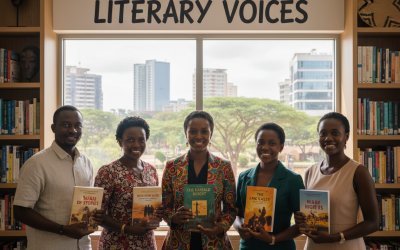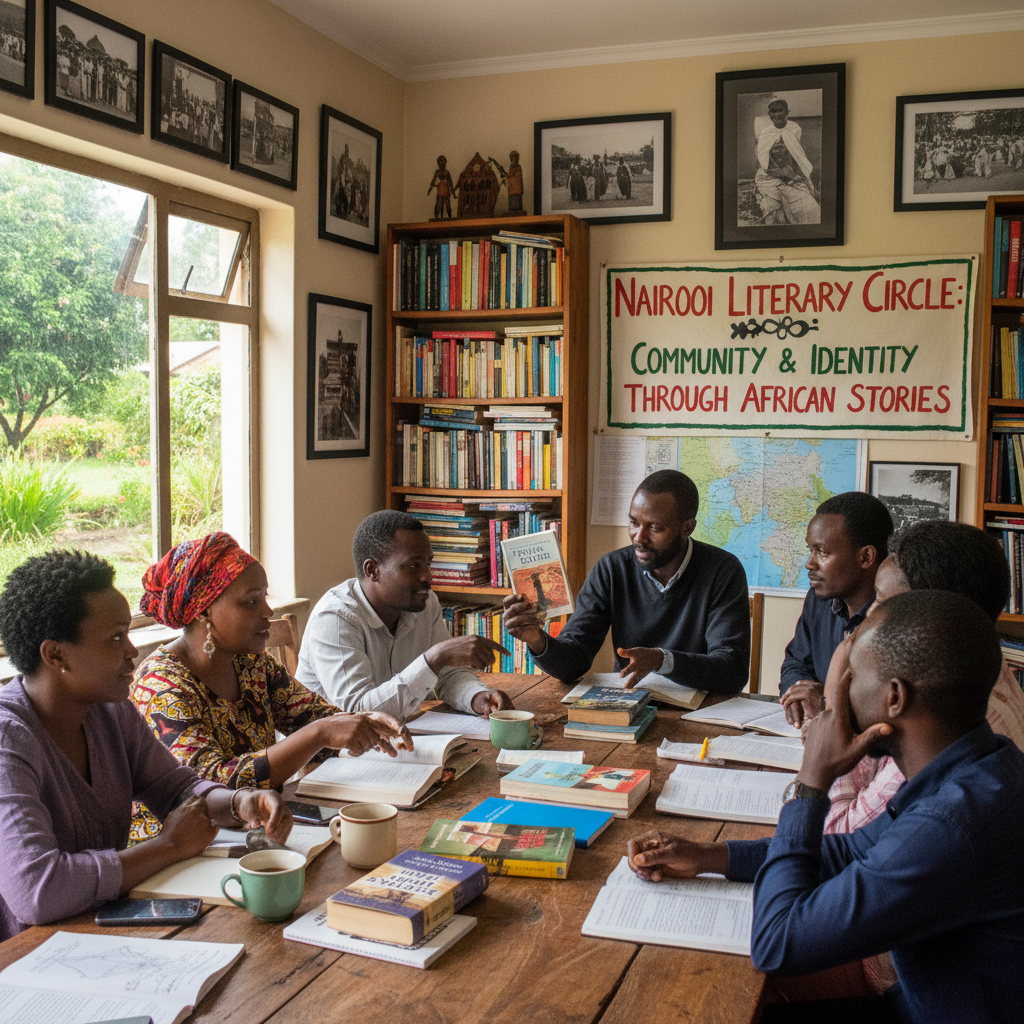
Literature is a powerful medium for preserving and shaping cultural identity. In East Africa, authors, poets, and storytellers have long used their work to reflect the region’s diverse heritage, historical struggles, and societal aspirations. Through literature, East Africa’s unique identity is celebrated, questioned, and redefined, offering readers a deeper understanding of the region’s complexities. This article explores how literature shapes East African identity, highlighting its role in cultural preservation, social commentary, and global representation.
Preserving Cultural Heritage
East African literature serves as a repository of the region’s cultural heritage, capturing oral traditions, myths, and folklore that have been passed down through generations. Authors like Ngũgĩ wa Thiong’o have been instrumental in preserving indigenous languages and storytelling traditions, ensuring that local cultures remain vibrant in an increasingly globalized world.
Books such as The River Between and Petals of Blood delve into themes of colonialism and cultural erosion while celebrating the resilience of Kenyan traditions. Similarly, Tanzanian author Shaaban Robert’s Swahili poetry immortalizes the language’s poetic beauty and cultural significance.
Addressing Social and Political Issues
Literature provides a platform for East African writers to comment on pressing social and political issues, from inequality and corruption to gender dynamics and environmental challenges. Through fiction and non-fiction, authors create narratives that inspire critical thinking and advocacy for change.
For instance, Ugandan writer Jennifer Nansubuga Makumbi’s Kintu explores the complexities of post-colonial identity and the legacy of clan-based traditions. Somali author Nuruddin Farah’s novels highlight themes of exile, identity, and the human cost of political instability, offering a voice to those affected by conflict and displacement.
Inspiring Unity and Regional Pride
Literature fosters a sense of unity and pride among East Africans by showcasing shared values and experiences. Works that highlight pan-Africanism and regional cooperation emphasize the strength found in diversity and collaboration. Poets like Okot p’Bitek, known for Song of Lawino, celebrate traditional ways of life while critiquing modernization and Western influence, sparking dialogue about cultural identity.
Through these narratives, readers gain a deeper appreciation for East Africa’s collective heritage and the richness of its cultures, languages, and histories.
Elevating East Africa on the Global Stage
East African literature has garnered international recognition, elevating the region’s voice in global conversations. Acclaimed authors such as Maaza Mengiste and Abdulrazak Gurnah have brought East African stories to a wider audience, earning prestigious awards like the Booker Prize and Nobel Prize for Literature.
This global visibility not only highlights the literary talent of the region but also challenges stereotypes and fosters a nuanced understanding of East Africa’s complexities. By sharing their unique perspectives, East African writers contribute to the global literary canon and inspire future generations of storytellers.
Conclusion
Literature plays an essential role in shaping and preserving East African identity, bridging the past and present while envisioning the future. By capturing cultural heritage, addressing societal issues, and promoting regional pride, East African writers continue to define the region’s place in the world. As the literary scene evolves, its impact on East African identity will remain profound, inspiring readers both locally and globally.
UNESCO – Cultural Identity in African Literature
https://www.unesco.org/literature-identity-africa
World Literature Today – African Social Narratives
https://www.worldliteraturetoday.org/african-literature-social-commentary
Ngũgĩ Centre – Legacy of African Literature
https://www.ngugicentre.org
 WhatsApp for a Google-Ready Website