
A free-trade area is often imagined as a change in law, but for the firms that will use it, it is first a change in geography. Trading under the African Continental Free Trade Area has formally begun, giving businesses a live framework for tariff liberalisation, market access and rules-of-origin implementation — and the moment goods are expected to move further across the continent, the corridors, ports, warehouses and border posts that carry them become the binding question.
The framework is commercial from today. Tariff schedules and origin rules are working questions, and the AfCFTA secretariat sits behind a live market. For anyone assessing land, construction and infrastructure economics, the treaty reframes a familiar East African concern: whether the physical network can carry the trade the law now permits.
The Corridor: Where continental trade physically happens
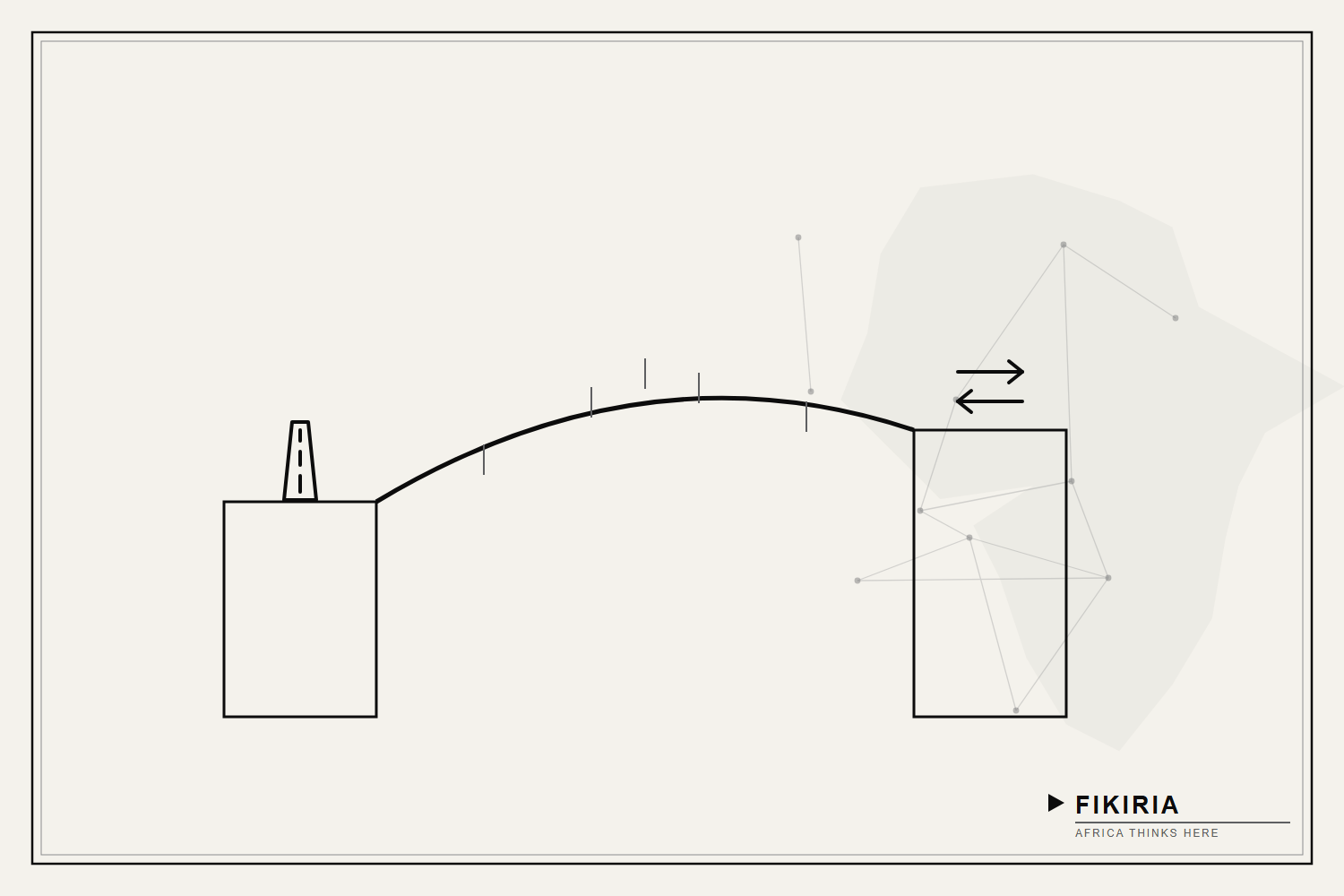
East Africa’s continental trade will run on arteries that already exist in outline — the Northern Corridor from Mombasa through Nairobi and Kampala towards the Great Lakes, the Central Corridor from Dar es Salaam inland. A wider market raises the value of every kilometre of reliable road, rail and port capacity along these routes, because the treaty rewards firms that can move goods across borders cheaply and on time.
The corridor is therefore where the treaty meets the ground. A tariff schedule cannot compensate for a congested port or a broken bridge, and a delay measured in days at a weak link erases a saving measured in percentage points on a tariff line. The physical network, in short, sets the ceiling on what the legal one can deliver. The takeaway: the AfCFTA raises the economic return on corridor infrastructure, and exposes every gap in it.
The Asset: Warehousing, logistics parks and the border economy
Behind the corridor sits a second layer of property. Longer, more complex continental trade needs warehousing, cold storage, logistics parks and bonded facilities, particularly at border towns and inland ports where goods are consolidated, cleared and re-dispatched. Nodes such as Mombasa, Dar es Salaam and inland clearance points near major borders become candidates for repricing as demand for well-located industrial and logistics space rises.
This is where operators and developers make concrete decisions. The value is not in speculative land but in serviced, well-connected space near a functioning border. The takeaway: the treaty shifts value towards logistics real estate at the corridor’s key nodes, not towards land in general.
The Delivery: Land, permits and engineering capacity
The hard part is building it. Corridor and logistics infrastructure runs into the familiar constraints of land acquisition, compensation, permitting, engineering capacity and, crucially, maintenance. A road or a warehouse is only as useful as its upkeep; an asset that degrades faster than it is maintained returns the corridor to its former friction within a few seasons.
These delivery questions decide whether the treaty’s promise is realised in steel and concrete or left on paper. The takeaway: the AfCFTA’s infrastructure dividend depends on permitting and maintenance discipline as much as on new construction.
The Decision: What a developer or operator maps from here
The useful response for a property or infrastructure operator is to map the network rather than the treaty. Identify the corridor segments and border nodes where continental trade will concentrate, assess which locations lack the warehousing, clearance and handling capacity that trade will demand, and weigh who will own and maintain each asset over its life.
The indicator worth tracking is the throughput and dwell time at East Africa’s main ports and border posts, read against the pipeline of logistics and industrial space being built around them. If capacity and reliability rise along the corridors as intra-African trade grows, the physical economy is keeping pace with the legal one. If trade widens while ports congest and warehouses fill, the constraint has simply moved from the tariff schedule to the tarmac. From today, that is the map an operator should be drawing.