
The usual story about African minerals is written by others: the continent supplies the input, someone else designs the system that profits from it. On 29 April 2022 the Democratic Republic of Congo and Zambia proposed to write their own. The two governments signed a cooperation agreement to build a shared electric-vehicle battery value chain from their copper and cobalt, anchored by special economic zones for precursor and cell production and witnessed alongside United States Secretary of State Antony Blinken. Strip away the ceremony and what remains is a strategic model worth examining on its own terms: a deliberate attempt to move up a value chain by policy rather than accident.
The Framework: Endowment Is Not Strategy
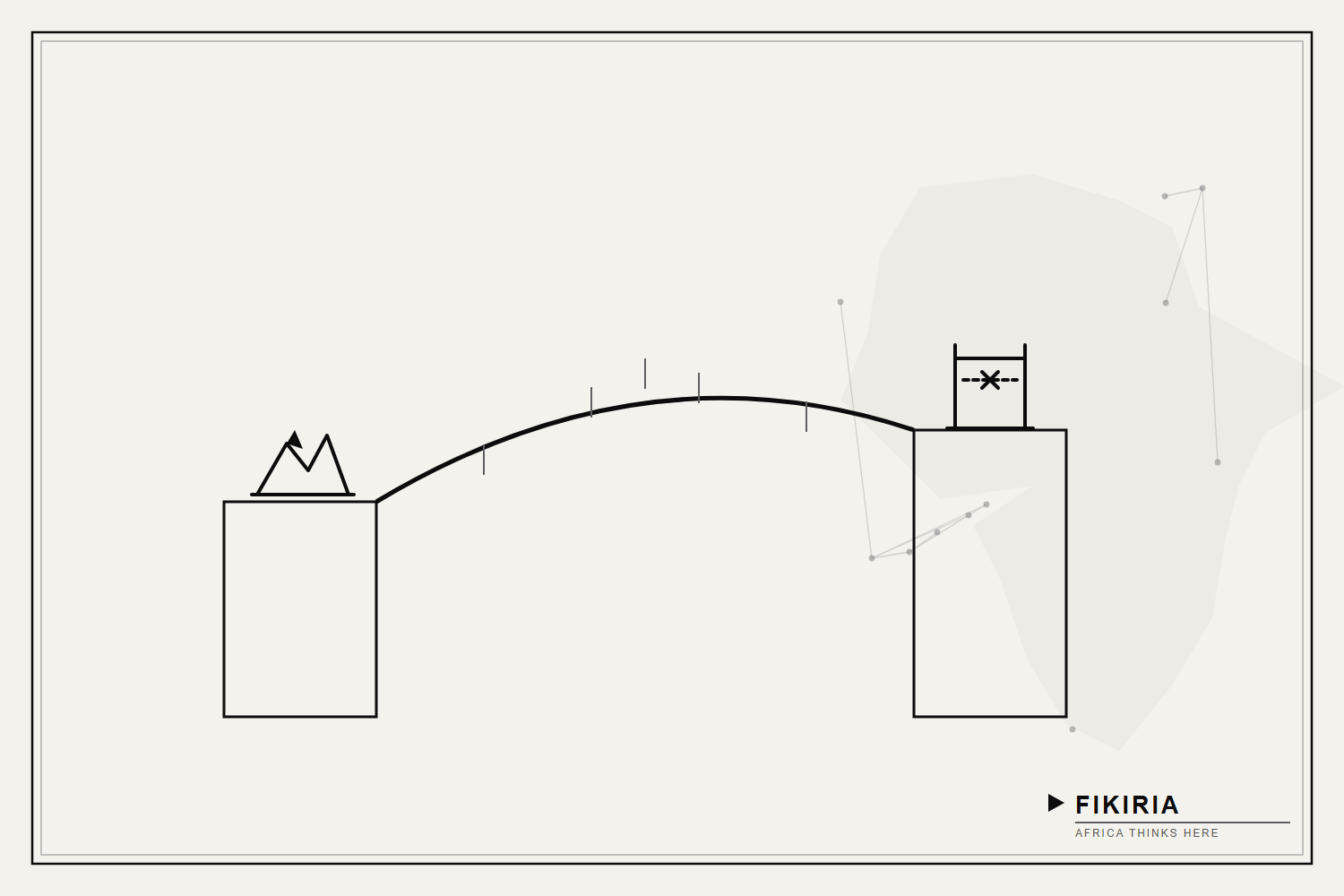
The intellectual core of the pact is a rejection of the idea that owning the resource is the same as owning the opportunity. The DRC holds the cobalt and Zambia the copper, yet neither has captured the chemistry that turns those metals into batteries. The model on offer is co-location: pool two complementary endowments across a border, then build the missing processing steps where the inputs already sit.
That reframes a familiar constraint. The scarce factor in battery manufacturing is rarely the raw metal; it is capital, capability and coordination. By treating the endowment as a starting condition rather than a destination, the two states are arguing that strategy, not geology, is what has been missing. The takeaway is that the pact is a thesis about where advantage actually lives in a value chain.
The Logic: Why Cross-Border, Why Now
The design choice to pair two countries is itself the argument. Neither the DRC nor Zambia alone holds the full mineral basket a battery needs, but together they approximate it. Cross-border industrial policy lets each contribute its strength and share the fixed cost of zones, power and rules that neither would build efficiently alone. Afreximbank and the United Nations Economic Commission for Africa supply the connective design, and the special economic zones for electric-vehicle production are the instrument that turns two sovereignties into one market signal.
The timing carries its own logic. Global demand for battery inputs is rising, which strengthens the bargaining hand of the countries that hold them. Acting while that leverage exists is a strategic bet that the window to negotiate up the chain is open now. The takeaway is that the model’s power comes from combination and timing, not from either country’s minerals in isolation.
The Assumptions: What Is Local, What Could Fail
Any transferable model rests on assumptions, and the honest work is naming which are local rather than universal. This one assumes that two governments can harmonise tax, customs and currency arrangements; that reliable power can be delivered to the zones; and that offtake buyers will accept African-made precursor. Each is plausible and none is guaranteed. The IP and governance questions follow close behind: who owns the process knowledge transferred into the zones, how data and standards are governed, and whether local firms acquire capability or merely host equipment.
These assumptions are where a copied model would break. A different region without complementary neighbours, without a development-finance sponsor, or without a credible power plan could reproduce the memorandum and none of the results. The takeaway is that the strategy is transferable only where its local preconditions are honestly met.
The Decision Implication
For a strategist or African operator, the value of 29 April 2022 is as a template to interrogate rather than imitate. The second-order effect worth watching is demonstration: if two copperbelt neighbours can move from raw export toward processing by pooling endowments and institutions, other resource pairs across the continent will study the method. The measurable signal is whether the assumptions hold in sequence — harmonisation, power, offtake, capability transfer. The pact changed no market on the day. It introduced a model, and the discipline is to test its assumptions before borrowing its conclusions.