
In a story this large, the most useful thing a newsroom can do is separate what is documented from what is merely hoped. On 29 April 2022 the Democratic Republic of Congo and Zambia signed a cooperation agreement to build a shared electric-vehicle battery value chain from their copper and cobalt, with special economic zones for precursor and cell production, witnessed alongside United States Secretary of State Antony Blinken. The temptation is to narrate the future. The discipline, and the point of this package, is to fix precisely what the primary record supports as of today and to flag everything that remains a promise.
The Evidence Pack: What the Documents Actually Say
Three primary sources anchor the record on this date. The United States State Department account of the MOU signing with the DRC and Zambian foreign ministers establishes the diplomatic event and its principals. The United Nations Economic Commission for Africa and Afreximbank materials establish the substance: a framework to build special economic zones for electric-vehicle and battery production across the two countries.
What these documents support is a signed cooperation agreement and a framework for zones, backed by a development bank and a UN body. What they do not yet contain are built facilities, disclosed financing figures, site locations or offtake contracts. The takeaway is that the verifiable claim on 29 April 2022 is intent and structure, not delivery.
The Chronology: A Single Point, Not a Trend
A source-led package needs a timeline, and honesty requires that today’s entry be a single, well-marked point. The chronology as it stands reads: two complementary mineral endowments, a diplomatic process culminating in signature, and the attachment of Afreximbank and the UNECA plan to establish special economic zones. Everything after the signing belongs to a future the record cannot yet speak to.
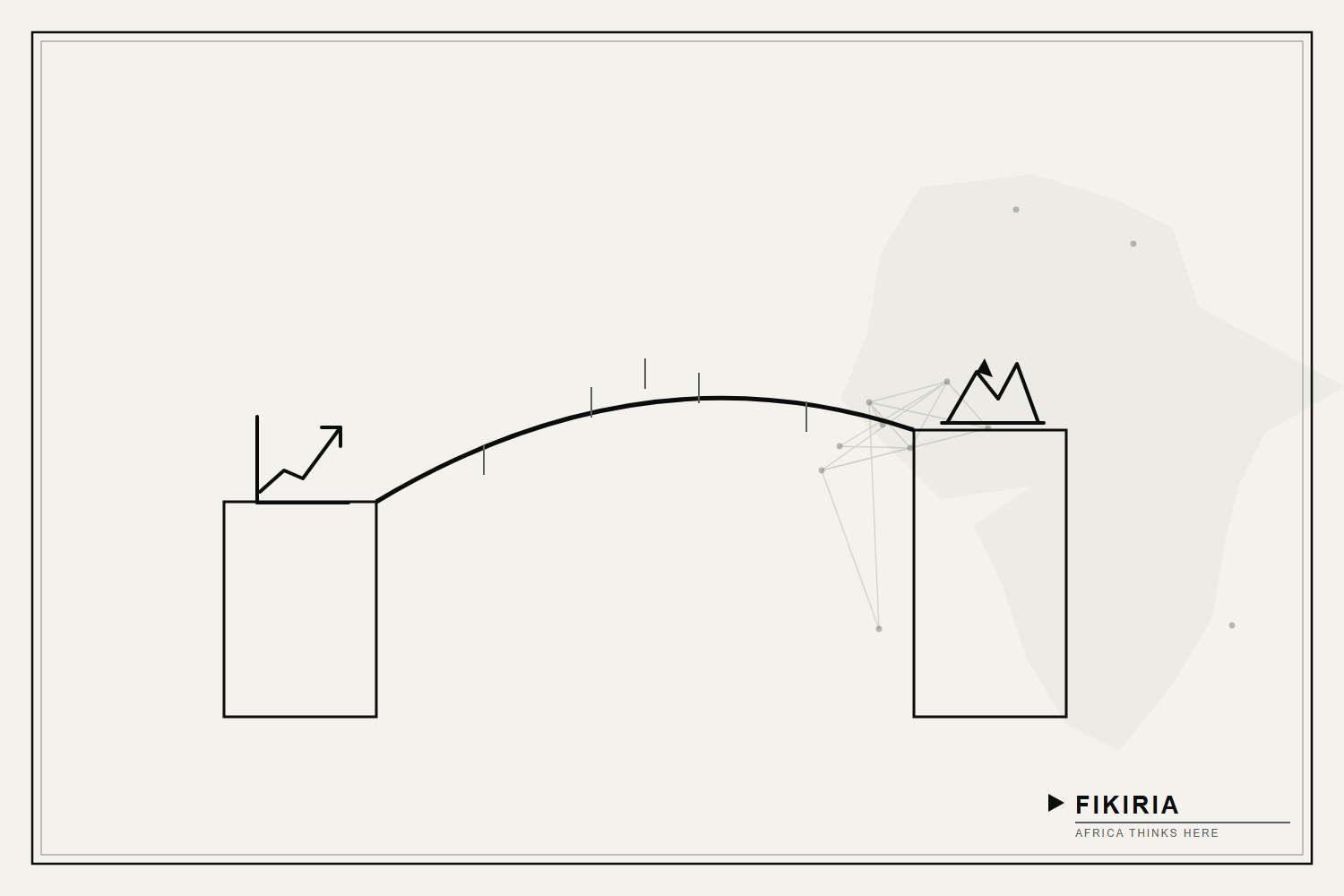
This is where a data package must resist itself. It is tempting to plot a rising line of capacity or investment, but no such series exists on the date; there is one event, not a trend. The correct visualisation today is a value-chain map showing where the DRC and Zambia currently sit — near the raw end — and where the pact proposes to move them, clearly labelled as intention. The takeaway is that the timeline has one verified node, and drawing more would be fiction.
The Follow-Ups: What Must Be Tracked Separately
Good source discipline names the questions it cannot yet answer and holds them open. The claims to track as separate, later-dated entries are concrete: the financing quantum and its sponsors [TK], the demarcation and location of the zones [TK], the power and corridor commitments, and the first offtake agreements linking Congolese cobalt to Zambian copper in a single line. Each is a future document, and each deserves its own verification rather than being folded into today’s story.
This is also how a responsible package guards its temporal boundary. Every outcome — a plant opening, a financing close, a policy reversal — is a follow-up to be reported on its own date, not evidence to be borrowed into this one. The takeaway is that the integrity of the record depends on keeping today’s verified facts and tomorrow’s expected events strictly apart.
The Decision Implication
For an editor, analyst or African operator building an evidence base rather than a mood, 29 April 2022 offers a clean starting entry: a signed cooperation agreement and an SEZ framework, sourced to a state department, a development bank and a UN commission. The tracking discipline is to log the named follow-ups as they are documented and to resist narrating outcomes ahead of the record. The pact produced documents, not yet a value chain. The most valuable thing to build from it today is not a forecast but a well-sourced timeline that later events will fill in, one verified entry at a time.