
Burundi runs one of the smallest power systems on the continent, yet on 24 June 2025 it did something a chronically supply-short economy rarely manages: it switched on new domestic generation of its own. The Jiji hydropower plant, inaugurated this week, adds 32.5 MW to a grid long defined by shortage. The more interesting story is not the megawatts. It is the model — the assembled logic of concessional finance, public ownership and grid investment that put water and steel to work — and the question of whether that model travels.
The Model: Concessional capital doing patient work
Jiji is the visible half of the broader Jiji-Mulembwe scheme, a donor-backed programme carried on the books of institutions including the World Bank and the African Development Bank. The strategic template is familiar across low-income African power markets: multilateral and concessional lenders absorb the long-dated, high-risk portion of a capital-heavy asset that private developers will not finance alone, while the state retains ownership of a strategic utility. Hydropower suits that structure. Its costs are almost entirely upfront, its fuel is free and domestic, and its assets run for decades.
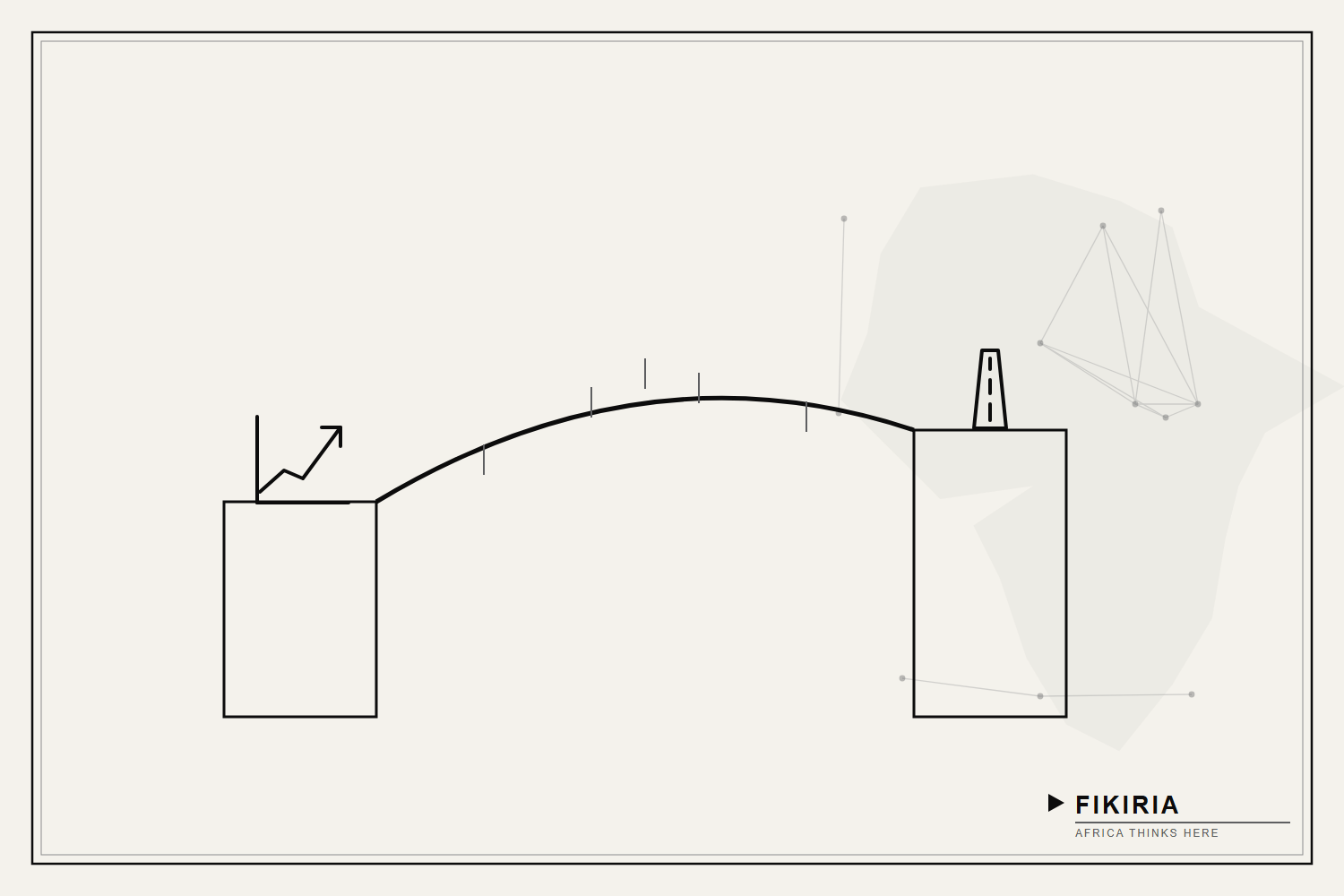
The framework matters more than the plant because it is repeatable in principle. Patient donor capital, sovereign backing, a run-of-river or storage scheme and paired transmission investment form a sequence other deficit economies can copy. Takeaway: Jiji is less a one-off ribbon-cutting than a legible method for converting concessional finance into productive domestic capacity.
The Assumptions: What is local, not universal
A method is only as portable as its assumptions, and several of Jiji’s are specifically Burundian. The country’s mountainous hydrology gives it usable head and flow; not every market has the geography. Concessional terms depend on a donor relationship and a debt profile that lenders will underwrite — conditions that shift country to country. And a 32.5 MW plant is meaningful precisely because Burundi’s base is small; the same capacity would barely register in a larger grid.
The transferability question therefore cuts two ways. The financing architecture is exportable; the physical and fiscal endowments beneath it are not. An operator reading Jiji as a blueprint should separate the structure from the setting, and stress-test which of the two is actually doing the work in their own market. Takeaway: copy the deal structure with care, because the geography and the balance sheet that made it bankable may not copy with it.
The Second-Order Effects: Grid, data and governance
New generation is inert without the wires to move it, which is why the transmission and distribution upgrades bundled into the project deserve as much attention as the turbines. Capacity tied to industrial and household demand only creates value if the network can deliver it and the utility can bill for it. That shifts the hard questions downstream — into metering, load management and the operational data a modernising utility now generates.
Those questions are governance questions as much as engineering ones. Who controls consumption and grid-performance data, how transparently the utility procures and prices, and whether the institution can run the asset without perpetual donor supervision will decide whether Jiji is a durable capability or a handsome one-time build. Takeaway: the plant is the easy part; the governance of the system around it is where the long-run return sits.
So What: Read the structure, not the ribbon
For an African operator weighing exposure to Burundi or to comparable small grids, Jiji offers a decision frame rather than a headline. First, the direction of travel is now set: a shrinking power deficit improves the base case for industrial and agro-processing investment that could not previously count on supply. Second, the financing model is a template worth studying wherever concessional capital, state ownership and hydrology align. Third, the real diligence is in the assumptions — hydrology, debt capacity, grid reach and institutional governance — not in the megawatt figure.
The lesson of Jiji, on the day it came online, is that infrastructure announcements are best read as arguments. The claim here is that patient public capital can still build productive capacity in a small, capital-scarce economy. Whether that argument holds elsewhere depends entirely on which of its premises you can actually reproduce.