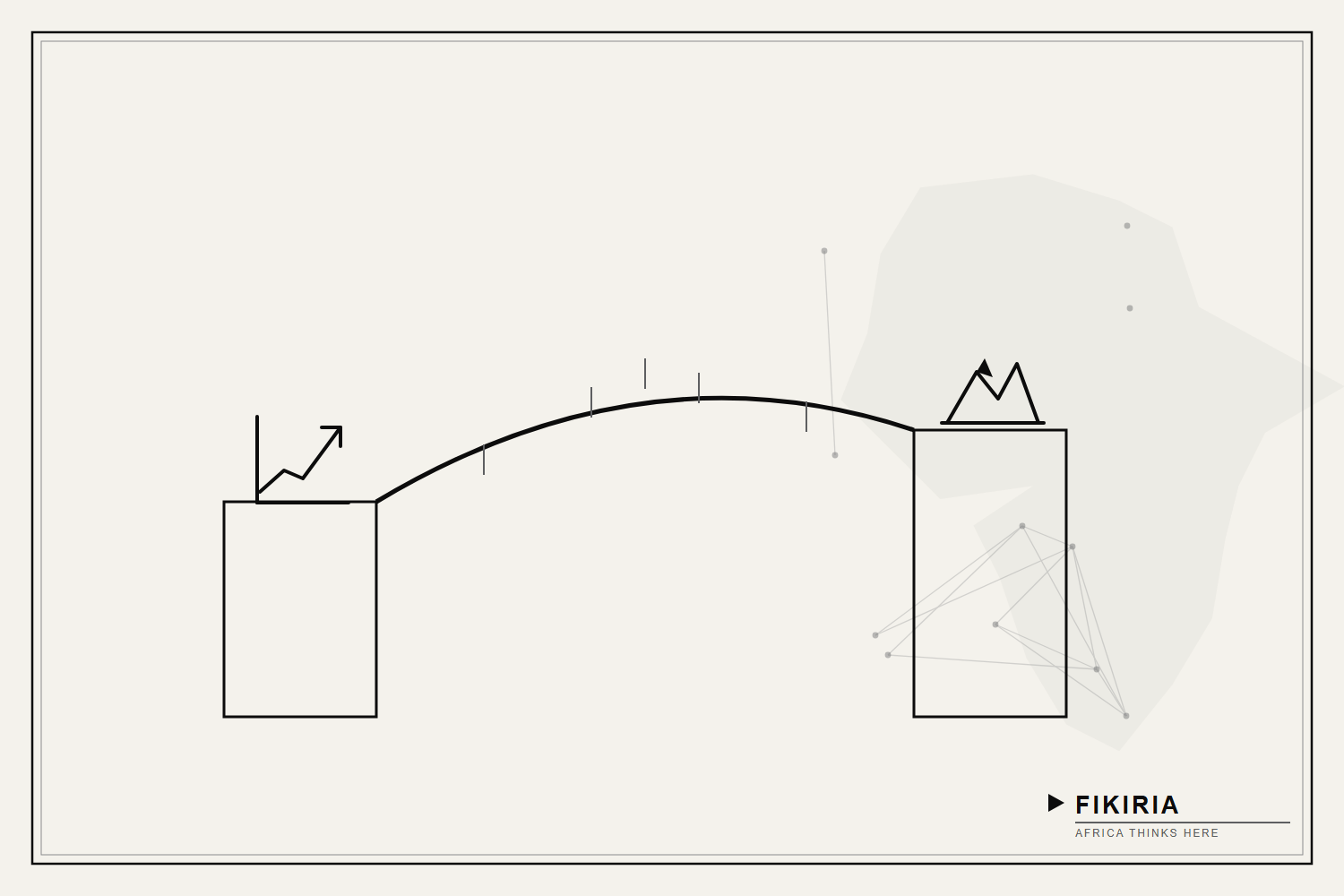

A single market is drawn on a map, but it is delivered in concrete, steel and cleared land. East Africa’s integration has often run ahead of the physical corridors needed to carry it, leaving trade agreements waiting on roads, bridges and border posts. On 29 March 2022 the East African Community admitted the Democratic Republic of Congo, extending the bloc from the Indian Ocean toward the Atlantic and adding a large mineral and consumer market. The Property question is where the assets sit, what has to be built or upgraded, and which locations could reprice.
The Corridor: A Map That Now Needs New Links
The EAC’s economic geography is corridor-based. Goods move inland from Mombasa along the Northern Corridor and from Dar es Salaam along the Central Corridor toward the interior. Extending the bloc toward the Congo basin lengthens those corridors westward and raises the value of the border posts, depots and road and rail links that connect them to the new member. The enlarged map, in effect, redraws where logistics real estate matters.
That redrawing is an infrastructure agenda before it is a trade one. Trade, transport and standards integration all depend on physical capacity, that is, on whether the corridors can carry the freight the enlarged market implies. The East African Community sets the integration objective; engineering and land decisions determine whether it can be met.
Takeaway: the enlarged market is a construction brief as much as a trade agreement.
The Delivery: Land, Permits and Engineering Capacity
Infrastructure is delivered through a chain of unglamorous decisions. Land has to be acquired and compensated, permits secured, and engineering capacity mobilised, at scale and to standard. Each is a point where delivery slows or stalls. Border facilities, one-stop posts, warehousing and cold storage near the new corridors are the assets that convert a longer map into working trade, and each carries its own permitting and land-assembly risk.
Ownership and maintenance matter as much as construction. An asset built and then left to degrade delivers a fraction of its value. The durable question is who owns the corridor asset, who maintains it, and whether the revenue model sustains upkeep over its life. A one-stop border post without staffing and systems is a building, not a facility.
Engineering capacity is itself a constraint. The region’s contractors, surveyors and project managers are finite, and a westward integration agenda competes with existing corridor and urban programmes for the same skills. That scarcity shapes both the cost and the sequence in which the enlarged map can actually be built out.
Takeaway: delivery turns on land, permits and maintenance, not the ambition of the map.
The Repricing: Where Commercial Space Gains Value
An enlarged corridor system reprices locations. Border towns, logistics hubs and secondary cities along the routes toward the DRC could see demand for warehousing, industrial land and commercial space rise as freight and trade grow. Mineral-linked logistics, in particular, concentrate activity at specific nodes. For developers and industrial landlords, the opportunity is to be positioned at the points where the enlarged market forces goods to stop, store and transfer.
The risk is timing. Repricing follows realised traffic, not announcements, and building ahead of demand carries carrying cost. The disciplined move is to identify the nodes and stage commitments to actual corridor performance.
Takeaway: locations reprice where freight physically concentrates, and only as traffic becomes real.
The So-What: What a Developer or Engineer Watches Next
For a property or engineering operator, 29 March is a signal to map the physical implications of a westward bloc. The indicators to track are corridor throughput, the pipeline of border-post and road upgrades toward the DRC, and land and rental movement at logistics nodes. Those show where the asset case is forming. The decision to make now is preparatory, that is, secure optioned positions and engineering capacity at the likely nodes, so that when corridor traffic grows the assets are in place rather than in planning.