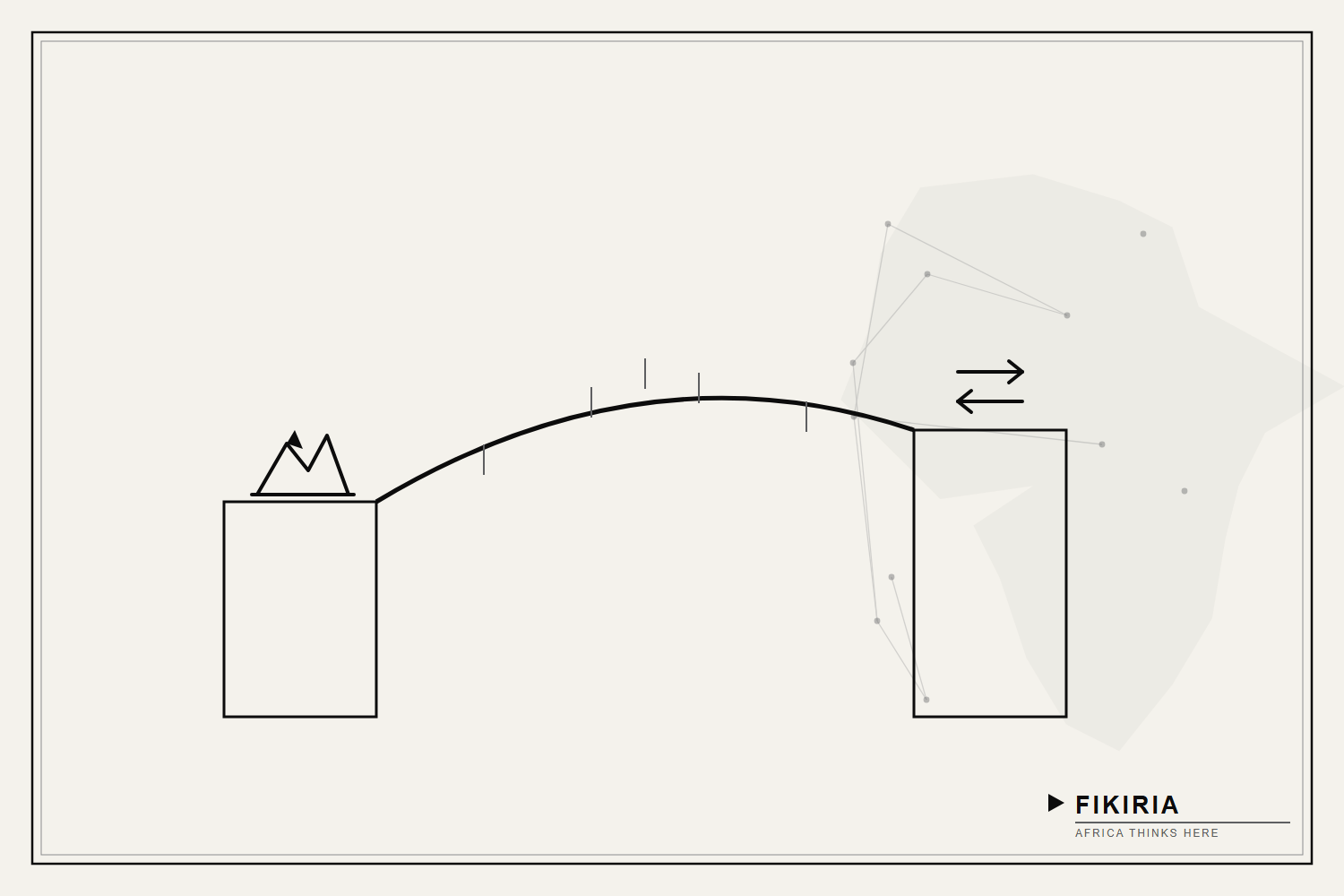

Integration in East Africa has always been easier to announce than to finance. A wider market changes the demand curve; it does not, on its own, produce the balance sheets that build the roads, warehouses and trade facilities that make the market usable. On 29 March 2022 the East African Community admitted the Democratic Republic of Congo, extending the bloc from the Indian Ocean toward the Atlantic and adding a large mineral and consumer market. The Money question follows immediately: who provides the capital, who carries the risk, and can regional firms get into the stack?
The Funding: From Enlarged Map to Bankable Plan
A larger single market improves the arithmetic of many investments before a shilling is committed. Longer corridors, more freight and a bigger consumer base raise the plausible scale of a distribution centre, a processing plant or a trade-finance book. That is the first way admission reaches capital: it lifts the demand assumption under a business plan, which in turn lifts the size and tenor of the financing that plan can support.
But a bigger opportunity is not automatically a bankable one. Lenders and equity providers still need contracted revenue, credible offtake and manageable currency exposure. The East African Community provides the market framework; the capital structure has to be built deal by deal on top of it.
Takeaway: enlargement improves the assumptions behind a plan, but bankability is still earned line by line.
The Risk Allocation: Currency, Repayment and the Long Corridor
Cross-border investment in the enlarged bloc concentrates risk in a few familiar places. Currency is the first: a common market moves goods more freely than it moves exchange-rate risk, and in the eastern DRC the US dollar is widely used, which shapes how revenue and debt are matched. Repayment is the second, tied to corridor performance and the pace at which the DRC aligns with EAC customs and common-market rules. Counterparty and country risk are the third, priced into the cost of any facility.
Well-structured deals do not eliminate these risks; they place them with the party best able to bear them. Development finance institutions, regional banks and Afreximbank-style trade financiers each take a layer. The structure works when risk sits where it can be managed, not where it simply lands.
Takeaway: an enlarged market redraws where risk sits, and disciplined capital places it deliberately.
The Access: Can Local Firms Enter the Capital Stack
The recurring tension in African integration financing is that the opportunity is regional while the balance sheets are often foreign. If the capital behind the enlarged market comes only from outside institutions, local firms capture trade but not the returns on financing it. The more durable outcome is a stack that includes regional banks in Kenya, Uganda, Tanzania and Rwanda, local equity, and instruments that let smaller enterprises access working capital as trade with the DRC scales.
That access is not automatic. It depends on credit information, collateral regimes and the willingness of regional financiers to underwrite cross-border exposure. Where those improve, local capital participates; where they do not, it watches.
Takeaway: whether local firms own part of the financing decides who keeps the returns from the enlarged market.
The So-What: What the Capital-Minded Track Next
For an operator or financier, the useful indicator is not the summit but the flow of committed capital, that is, trade-finance volumes into DRC-linked corridors, project debt reaching financial close and the share of that stack sourced regionally. Those numbers show whether the enlarged market is being funded or merely admired. The decision to make now is to prepare the financing case, that is, contracted revenue, currency matching and a clear risk-allocation plan, so that when demand materialises the capital structure is ready to carry it.


