
In a region where integration is often reported as spectacle, the more useful discipline is evidence, that is, what can be verified from primary documents and data on the day itself, and what must wait as a separately dated follow-up. East Africa has a long record of announcements later quietly revised. On 29 March 2022 the East African Community admitted the Democratic Republic of Congo, extending the bloc from the Indian Ocean toward the Atlantic and adding a large mineral and consumer market. The Content question is how to build a source-led package around this moment without borrowing from a future not yet known.
The Record: What Is Verifiable on the Date
A responsible package begins with what is documented. On this date the verifiable core is narrow and firm, that is, a new member admitted, the bloc’s geographic reach extended toward the Atlantic, and a major implementation agenda across trade, transport and standards now opened. The East African Community is the primary source for the admission itself, and contemporaneous reporting such as The EastAfrican’s coverage records how the decision was announced.
Everything beyond that, that is, the eventual trade volumes, the pace of alignment, the realised gains, belongs to later dates. Naming that boundary clearly is what separates a documentary package from speculation.
Takeaway: the record on 29 March is admission and agenda, and honest content states exactly that and no more.
The Chronology: A Timeline Built From Documents
The natural spine for a Content package is a timeline, that is, the sequence of decisions that led to admission and the implementation milestones now scheduled to follow. Built only from primary documents and dated reporting, a chronology lets a reader see how the region reached this point without importing hindsight. It also sets up the follow-ups honestly, marking future milestones as pending rather than achieved.
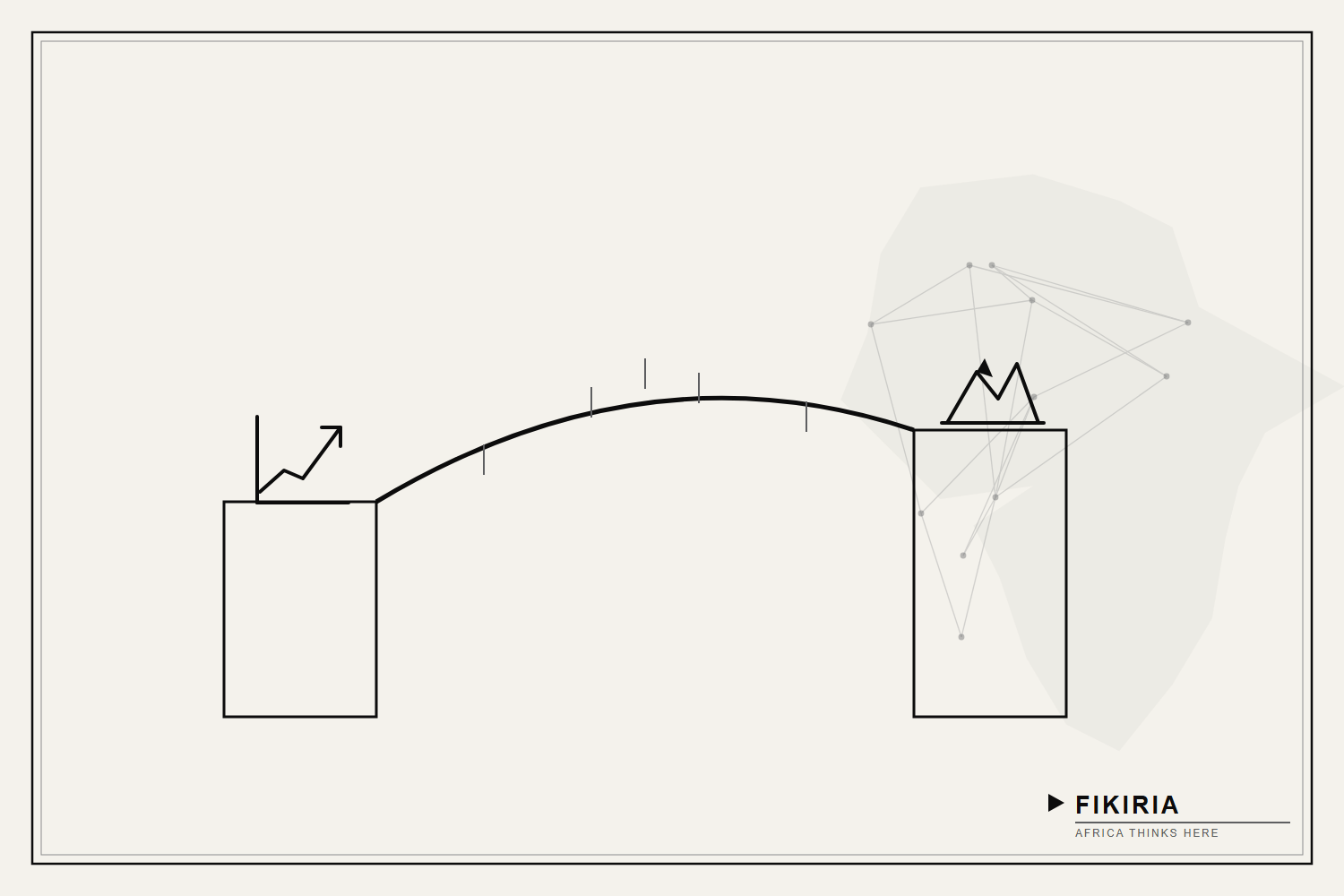
A data visualisation can accompany it, that is, the bloc’s enlarged geographic reach and the corridors that connect the new member, presented from what is known now. The value is clarity, not prophecy. A map showing the Community reaching from the Indian Ocean toward the Atlantic communicates the scale of the decision without asserting a single number that has not yet been measured.
The same discipline applies to a podcast or special report. Interviews conducted on or around the date capture expectation and intent, which are legitimate to record as expectation, provided they are never presented as outcome. The package documents a decision and the questions it opens, not a result it cannot yet know.
Takeaway: a documents-only chronology tells the story truthfully and leaves the future open.
The Verification: Separating Claim From Outcome
The editorial risk in a moment like this is conflating an intention with a result. The admission opens an agenda; it does not close it. A rigorous package tests each claim against a source, distinguishes what was decided from what was merely projected, and holds every later development, whatever it turns out to be, for a separate, separately dated piece. That discipline is what makes a special report or podcast credible rather than promotional.
For a content operator, verification is also a competitive advantage. In a crowded information market, the outlet that is accurate about what is and is not yet known earns the trust that outlives the news cycle.
Takeaway: credibility comes from separating what was decided from what is merely hoped, and dating each accordingly.
The So-What: What a Content Operator Does Next
For a publisher or programme-maker, 29 March is a package to be built on evidence, not enthusiasm. The elements to assemble are the primary admission record, a documents-based chronology, and a data visual of the enlarged bloc, with every future outcome flagged as a pending follow-up. The indicator to track for the next instalment is the pace of implementation, that is, standards alignment and corridor performance, reported as it happens. The decision to make now is editorial, that is, commit to a source-led, temporally honest package, so that the audience is informed by verifiable record rather than by a future the region has not yet reached.