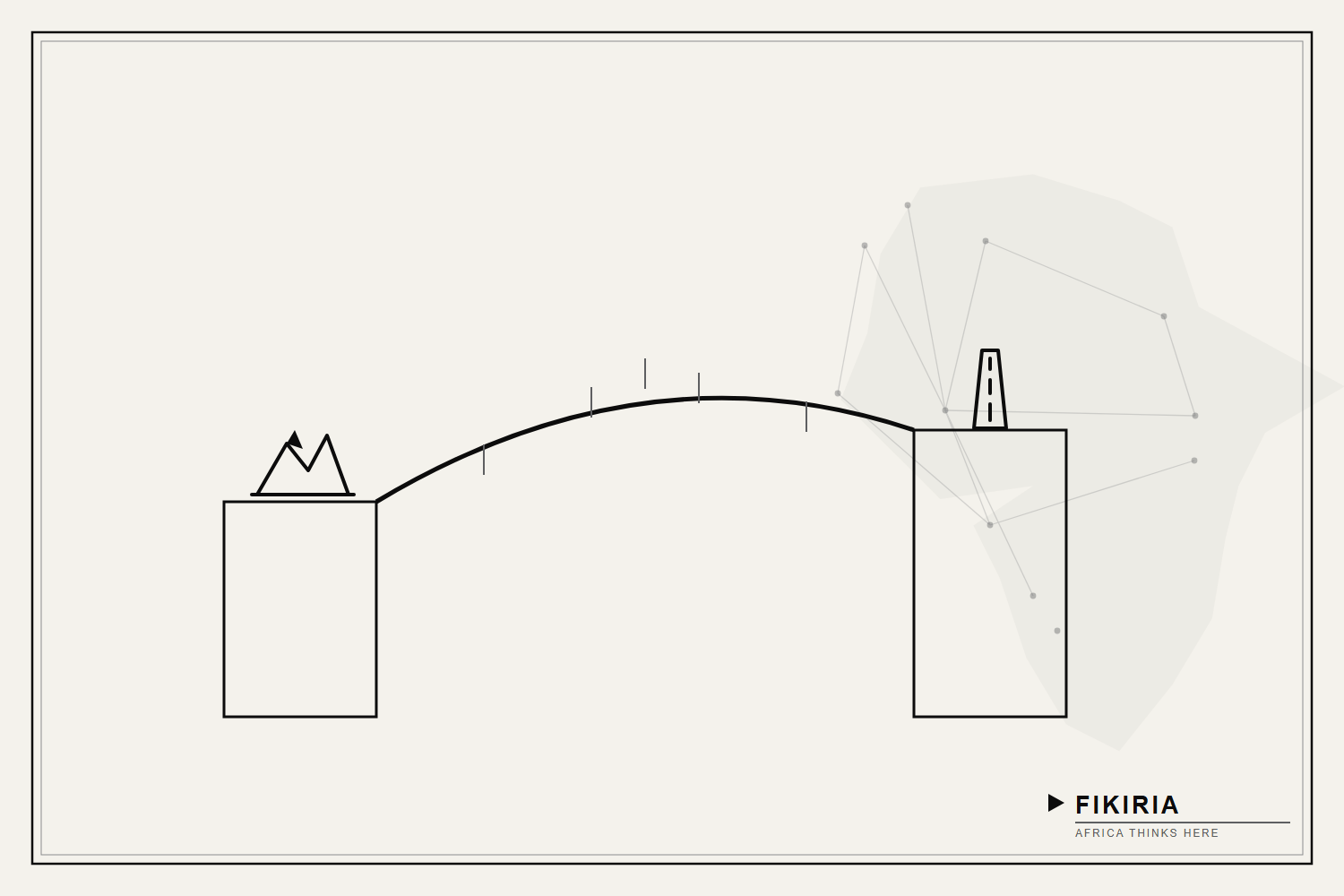

In critical-mineral infrastructure the hard question is never whether a route makes sense on a map — it usually does — but who will fund it, who carries the risk, and whether the numbers close for a lender rather than a diplomat. The Democratic Republic of Congo has watched many logistics plans stall at exactly that point. On 26 October 2023, in Washington, the United States, the European Union, Angola, Zambia, the DRC and a group of financing partners agreed to develop the Lobito Corridor, rehabilitating rail and extending a line toward Zambia to move minerals west to the Atlantic. Follow the capital, and the announcement reads as an attempt to make a corridor bankable, not merely desirable.
The Capital Stack: Public backing to crowd in private money
The structure on show is blended finance. Public and development institutions from the United States and the European Union stand behind the corridor to reduce the risk that private capital will not take on its own. Alongside the intergovernmental pact, US development finance was directed to the Lobito Atlantic Railway operator, with the specific amount and terms to be confirmed [TK]. The logic is standard for infrastructure of this scale: sovereign and donor commitment sits at the base of the stack, development finance in the middle, and commercial lenders and the concession operator above — each layer designed to make the next one comfortable.
The takeaway: the corridor’s real innovation is financial architecture, using public risk appetite to unlock private capital.
The Risk Ledger: Currency, repayment and who holds the downside
Bankability turns on where the risks land. Revenue from a mineral corridor is dollar-denominated and tied to commodity cycles, while much of the operating cost — labour, local services, maintenance in the DRC — falls in Congolese francs, creating a currency mismatch that lenders price carefully. Volume risk is acute: the line only services its debt if the tonnes actually move, which puts delivery, maintenance and offtake reliability at the centre of the credit case. For the Banque Centrale du Congo and the Treasury, the appeal is export earnings that are more predictable; the caution is that concession structures can place upside offshore while leaving maintenance and social obligations onshore.
The takeaway: in corridor finance the map is easy — it is the currency, the volumes and the downside allocation that decide whether it funds.
The Local Question: Can Congolese firms enter the stack
A financing structure assembled abroad raises a domestic test: whether Congolese capital and firms can participate rather than merely host. Entry points exist below the headline concession — haulage, warehousing, maintenance contracts, fuel and services, and local debt or equity in the businesses that cluster around the line. Access depends on procurement rules, local-content terms and whether banks in Kinshasa can finance suppliers at workable rates. Without deliberate design, the risk is a familiar one: the asset runs through the country while the returns are booked elsewhere.
The takeaway: a corridor built with foreign capital only builds domestic wealth if local firms can buy into its supply chain.
So what for an African operator
For a Congolese financier, supplier or official, 26 October is a signal to read the capital structure, not the communiqué. The decision implication is to establish who owns and maintains the asset, how revenue and currency risk are shared, and where local firms can enter — as contractors, suppliers or investors. The corridor’s backers have shown they can assemble the finance. The open question for the DRC is whether the country ends up on the balance sheet as a host or as a participant, and that is decided in the contract terms now taking shape.


