
A trade corridor is more than a road. It is the road, the port, the warehouse and, less visibly, the payment that closes the deal at the far end. East Africa has spent a decade building the physical side — the Northern Corridor from Mombasa, the Central Corridor from Dar es Salaam — while the financial side lagged, because settling a cross-border payment still meant a detour through a third currency and a foreign bank. On 13 January 2022, in Accra, Afreximbank and the African Union launched the Pan-African Payment and Settlement System, or PAPSS, to let African firms settle in local currencies. Read from the property and infrastructure desk, the interesting question is what this rail does to the value of the physical assets it sits beside.
The Digital Corridor: Infrastructure without groundworks
PAPSS is infrastructure, but of an unusual kind: it requires no land acquisition, no compensation, no engineering programme and no maintenance crews. It is a soft asset — protocols, systems and institutional connections — laid over the hard assets of ports, roads and warehouses. That distinction matters for anyone who builds. The delivery risk on a physical corridor is measured in permits, geology and contractor capacity; the delivery risk on PAPSS is measured in whether central banks and commercial institutions complete integration. Different asset, different risk register. That makes it faster to deploy and cheaper to change, but no less dependent on institutions choosing to cooperate.
The takeaway: this corridor is built in code and agreements, so its delivery risk sits with institutions, not with engineers.
The Complement Effect: Why softer money lifts harder assets
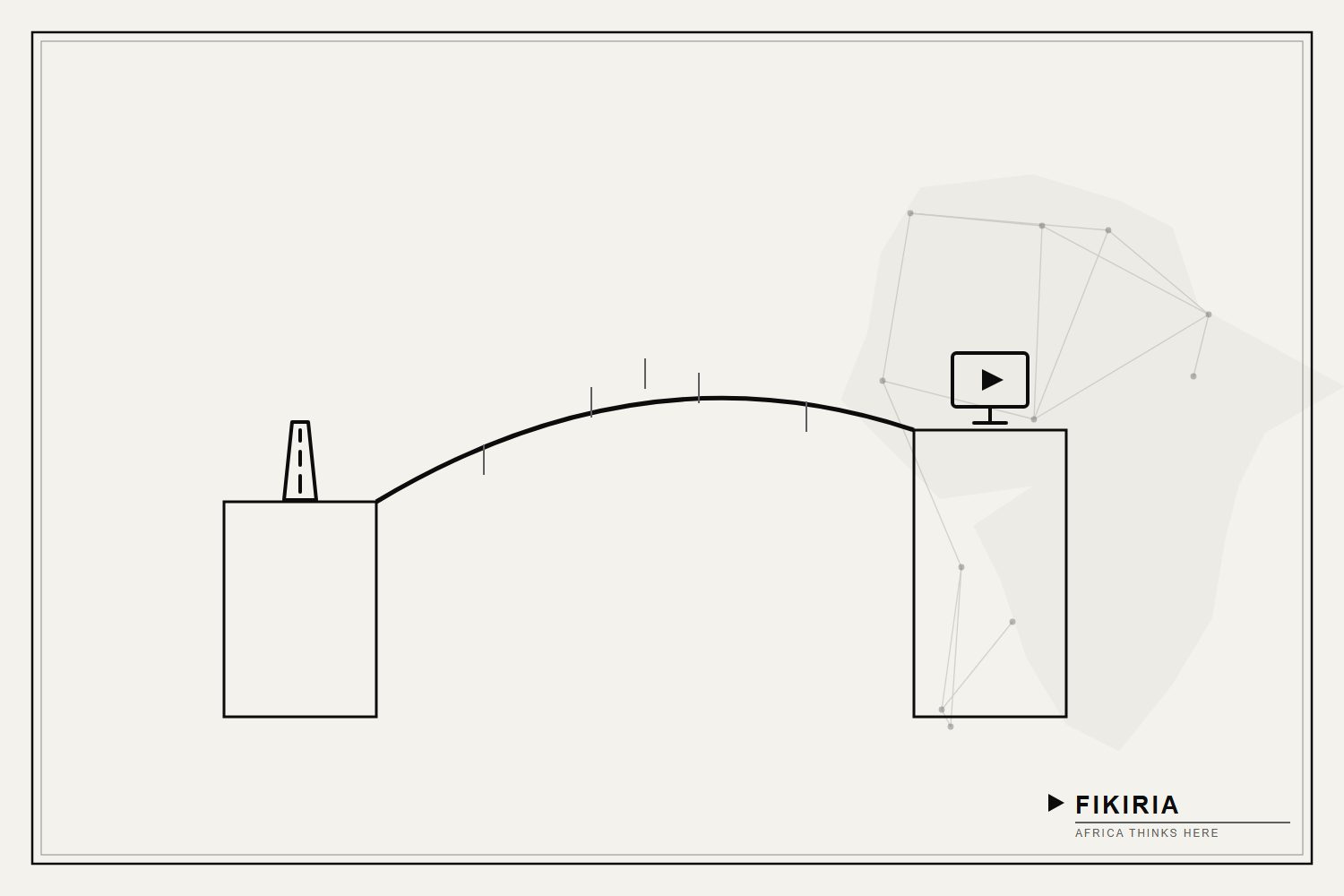
Hard trade assets earn from throughput, and throughput improves when the money moves as freely as the cargo. A warehouse near Mombasa or an inland depot on the Central Corridor is more valuable when the goods passing through can be paid for quickly and cheaply across a border. By compressing settlement friction, PAPSS raises the return on the physical infrastructure that handles regional trade. The rail does not compete with the port; it makes the port’s traffic easier to monetise. An asset that was viable at national scale can look more attractive once it can serve a regional catchment without a financial penalty.
The takeaway: soft settlement infrastructure is a complement to hard corridor assets, and complements lift each other’s value.
The Repricing Map: Which locations stand to gain
If cross-border settlement becomes routine, the places that gain most are the nodes where trade concentrates: port cities, border posts, and the logistics and commercial property clustered around them. Easier payment strengthens the case for warehousing, cold storage and light processing sited on the corridors rather than at a single national centre, because a facility can now serve a regional market with less financial drag. The precise scale of any such repricing is [TK] and unproven on launch day, but the direction of pull is toward the corridor nodes. Location value in trade tends to follow wherever friction falls, and a smoother payment layer is one more reason for activity to cluster where goods already concentrate.
The takeaway: watch corridor and border-node locations, because a working payment rail strengthens the commercial logic of building there.
The Decision for the Developer: Positioning around a conditional rail
On 13 January 2022, PAPSS is a live but unproven overlay on East Africa’s trade corridors, tied to the African Continental Free Trade Area and dependent on integration to deliver. For a developer or infrastructure investor, the implication is not to build the rail but to position around it: to weigh corridor-adjacent logistics and commercial assets on the assumption that regional payment friction is on a downward path. The move is to treat the physical and financial corridors as one system when deciding where the next warehouse or depot should stand.
The takeaway: plan physical assets around the corridors that a smoother payment rail will make busier, and let the trade nodes, not the capital cities alone, guide the next build.