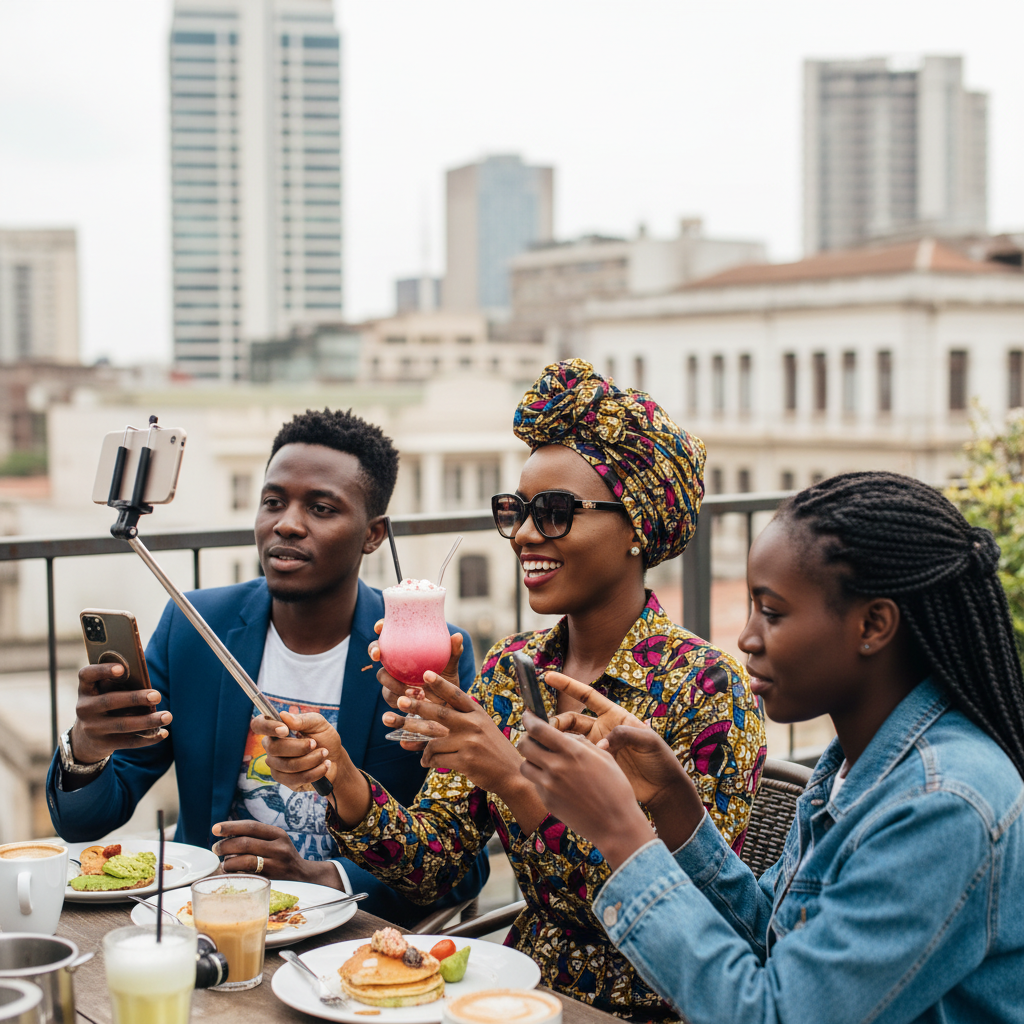
Social media has become an integral part of life in East Africa, shaping how people communicate, consume content, and engage with the world. Platforms like Facebook, Instagram, and TikTok are not only influencing cultural trends but also transforming industries such as marketing, e-commerce, and entertainment. This article explores how social media is impacting modern lifestyles in East Africa, highlighting its role in cultural expression, economic opportunities, and societal change.
Driving Cultural Trends and Expression
Social media platforms are powerful tools for cultural expression in East Africa. Creators and influencers use these spaces to showcase traditional music, dance, and fashion, blending heritage with modern aesthetics. For example, TikTok challenges featuring Afrobeat and Swahili music have gained global traction, promoting East African culture to international audiences.
Additionally, platforms like Instagram and YouTube serve as digital galleries for artists, photographers, and designers, allowing them to share their work and gain recognition beyond their local communities. This democratization of cultural expression fosters pride and unity while highlighting the region’s creative talent.
Empowering Entrepreneurs and Businesses
Social media is a game-changer for entrepreneurs and businesses, providing affordable and effective marketing channels. Small businesses leverage platforms like Facebook Marketplace to reach local customers, while others use Instagram and WhatsApp to showcase products and engage directly with buyers.
In Kenya, a thriving ecosystem of digital entrepreneurs is emerging, selling everything from handcrafted jewelry to organic skincare products. Influencer marketing is also on the rise, with businesses partnering with social media personalities to amplify their reach and credibility.
Fostering Social and Political Movements
Social media has proven to be a powerful tool for activism and advocacy in East Africa. Campaigns like #EndFGM and #SaveLakeVictoria have brought critical issues to the forefront, mobilizing support and driving policy changes. Platforms such as Twitter and Facebook provide a space for open dialogue, giving a voice to marginalized communities.
These movements demonstrate how social media can unite people for a cause, enabling them to challenge norms and demand accountability from governments and institutions.
Challenges of Social Media Usage
While social media offers numerous benefits, it also poses challenges such as misinformation, cyberbullying, and the over-commercialization of content. In rural areas, limited internet access and digital literacy gaps prevent some populations from fully participating in the digital revolution.
To address these issues, stakeholders must promote digital literacy, establish regulations to combat online harm, and invest in infrastructure to expand access to underserved regions.
Conclusion
Social media is transforming modern East African lifestyles by influencing cultural trends, empowering businesses, and fostering social change. Its impact is far-reaching, connecting people across borders and creating opportunities for economic and social development. As the region continues to embrace digital innovation, social media will remain a powerful force shaping the future of East Africa.
Quartz Africa – Social Media Trends in Africa
https://qz.com/social-media-africa-trends
TechCabal – Social Media Commerce
https://techcabal.com/social-media-ecommerce-africa
BBC Africa – Social Media and Activism
https://www.bbc.com/africa-social-media-activism
 WhatsApp for a Google-Ready Website