In a rapidly changing economic landscape, financial literacy is more critical than ever, especially for East African youth. With the rise of digital financial tools and increasing entrepreneurship, understanding how to manage money effectively is essential for building a secure future. Unfortunately, many young people in East Africa lack access to financial education, leaving them unprepared to navigate challenges like budgeting, saving, and investing. This article explores why financial literacy is vital for East African youth and highlights programs that are bridging the knowledge gap.
Building a Strong Financial Foundation
Financial literacy empowers young people to make informed decisions about their money, laying the groundwork for long-term stability. Skills such as creating budgets, managing debt, and setting financial goals are crucial for personal and professional success. For instance, a financially literate young entrepreneur can better manage startup funds, avoid unnecessary debt, and reinvest profits to grow their business.
In rural areas, where access to banking services is limited, financial literacy also helps youth make the most of informal saving systems, such as community savings groups or mobile wallets.
Empowering Youth Through Financial Education Programs
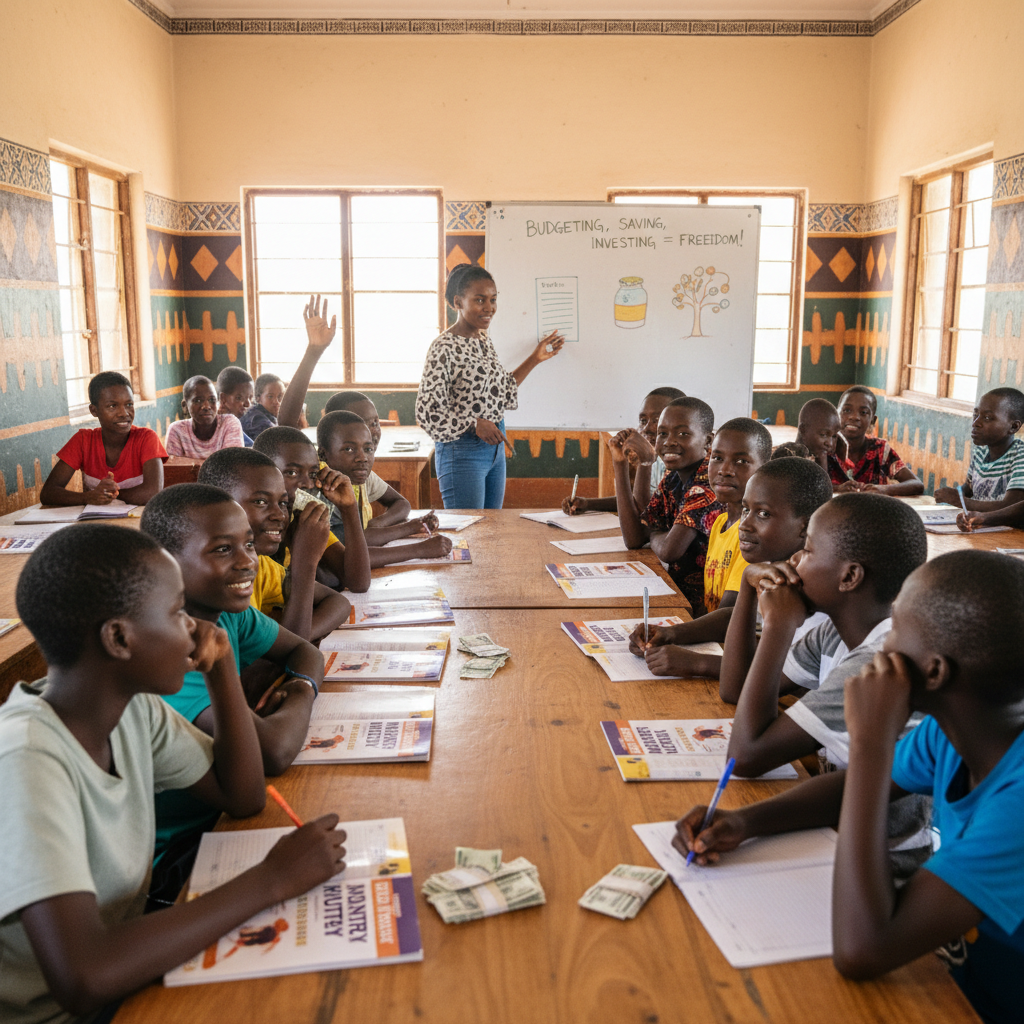
Several organizations in East Africa are working to equip young people with financial skills. Aflatoun International, for example, integrates financial literacy into school curriculums across Kenya, Uganda, and Tanzania. The program teaches students how to save, manage money, and plan for the future, creating a generation of financially savvy individuals.
Junior Achievement Africa is another initiative that provides financial education through interactive workshops and mentorship programs. By connecting youth with industry professionals, the program helps them understand real-world financial concepts and their application.
Fostering Entrepreneurship Among Youth
Financial literacy is a key driver of youth entrepreneurship in East Africa. Programs that teach financial management and investment strategies enable young people to launch and sustain successful businesses. For example, Uganda’s Youth Livelihood Programme offers both financial training and startup grants, encouraging youth to become self-reliant and innovative.
Additionally, digital platforms like M-Pesa and Tala are integrating financial literacy resources into their mobile apps, ensuring users understand how to manage loans and savings effectively.
Overcoming Barriers to Financial Literacy
Despite the progress, challenges such as limited access to resources, language barriers, and cultural stigmas around discussing money hinder financial education. Addressing these barriers requires collaborative efforts from governments, NGOs, and private sector players. Initiatives should focus on creating localized, culturally sensitive content that resonates with East African youth.
Conclusion
Financial literacy is more than just a skill; it is a pathway to empowerment and economic independence for East African youth. By equipping young people with the knowledge to manage money effectively, stakeholders can unlock their potential to thrive as entrepreneurs, employees, and community leaders. Expanding access to financial education programs is a critical investment in the region’s future prosperity.
Aflatoun – Financial Literacy in Africa
Junior Achievement Africa – Financial Education Programs
https://www.ja-africa.org
UNICEF – Financial Education for Youth
https://www.unicef.org/financial-literacy-africa
 WhatsApp for a Google-Ready Website