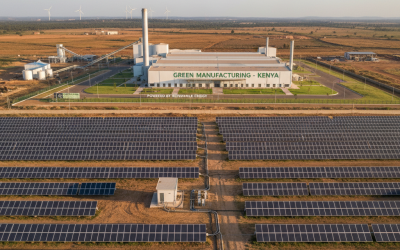
Manufacturing is a key driver of economic development, offering opportunities for job creation, value addition, and technological advancement. In East Africa, the manufacturing sector is poised for growth, supported by regional trade agreements, rising consumer demand, and government initiatives. However, challenges such as limited infrastructure and skills gaps must be addressed to unlock the sector’s full potential. This article explores the opportunities and strategies shaping the future of manufacturing in East Africa.
Opportunities in Key Sectors
East Africa’s manufacturing potential is anchored in key industries such as textiles, food processing, and construction materials. The region’s abundant agricultural resources make food processing a particularly promising sector. By investing in agro-processing plants, countries like Tanzania and Uganda can add value to raw materials such as coffee, tea, and fruits, creating export-ready products that fetch higher prices in global markets.
Similarly, the textile and apparel industry is experiencing a resurgence, driven by increasing demand for locally produced goods. Kenya, for example, is capitalizing on its access to the African Growth and Opportunity Act (AGOA) to export garments to the United States. The construction boom across East Africa also presents opportunities for manufacturers of cement, steel, and prefabricated materials.
Leveraging Regional Trade Agreements
Regional trade agreements such as the African Continental Free Trade Area (AfCFTA) are opening up new markets for East African manufacturers. By reducing tariffs and harmonizing trade policies, these agreements enable manufacturers to access a broader customer base and increase competitiveness.
For instance, Kenyan manufacturers can now export goods to West Africa with fewer trade barriers, while Rwandan firms can source raw materials more affordably from neighboring countries. These trade agreements incentivize investment in manufacturing by creating economies of scale and fostering collaboration across borders.
Integrating Technology and Innovation
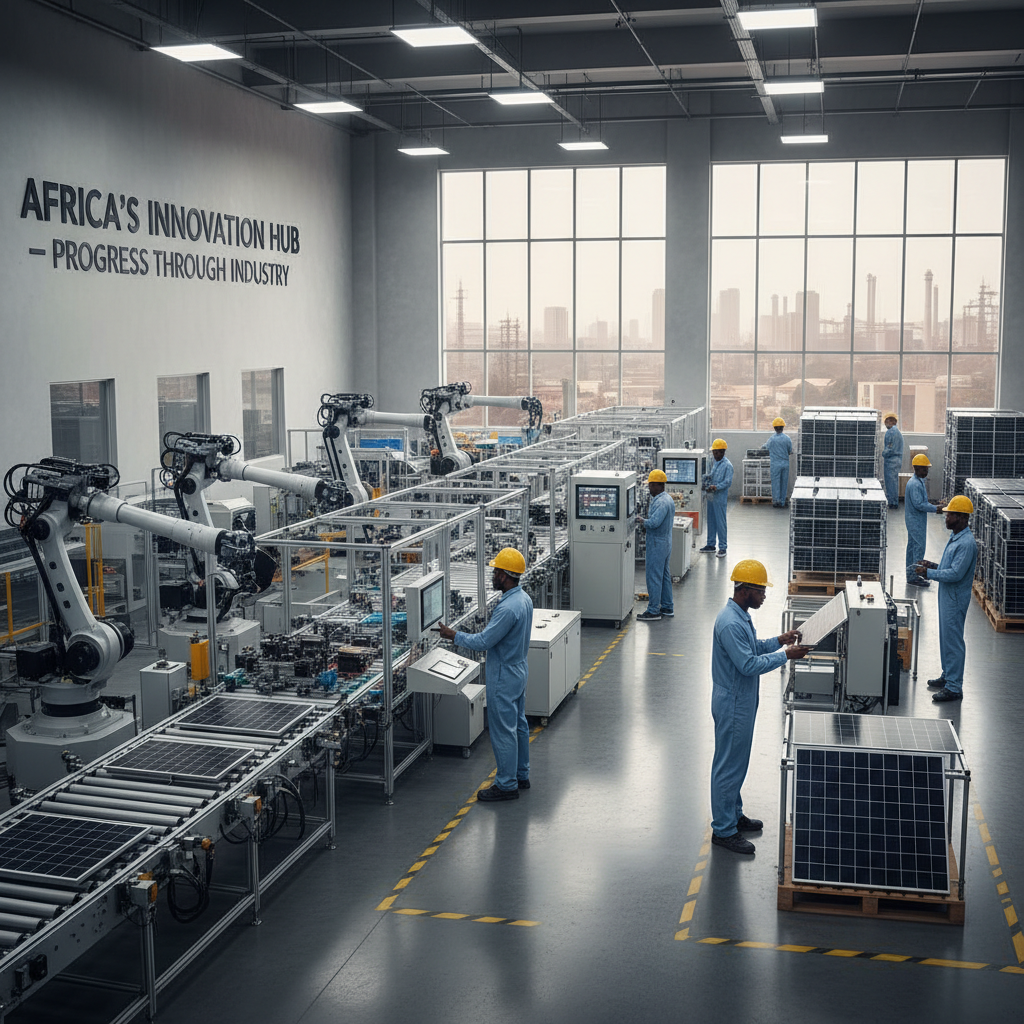
The adoption of technology is transforming manufacturing processes in East Africa, enhancing efficiency and reducing costs. Automation, robotics, and data analytics are helping manufacturers optimize production and improve product quality. In Kenya, for example, companies in the food processing sector are using Internet of Things (IoT) devices to monitor supply chains and ensure traceability.
Innovation hubs and partnerships with global technology providers are also enabling local manufacturers to adopt advanced production methods. These efforts not only boost productivity but also position East Africa as a competitive player in the global manufacturing landscape.
Addressing Challenges
Despite its potential, the manufacturing sector faces challenges such as inadequate infrastructure, high energy costs, and a shortage of skilled labor. Poor road networks and unreliable electricity supply increase production costs, making it difficult for local manufacturers to compete with imported goods.
To address these issues, governments must prioritize investments in infrastructure, expand access to affordable energy, and develop vocational training programs. Public-private partnerships can play a crucial role in bridging these gaps and fostering an enabling environment for manufacturing growth.
Conclusion
Manufacturing holds immense promise for East Africa’s economic future, offering pathways to industrialization, job creation, and export diversification. By leveraging regional trade agreements, adopting technology, and addressing key challenges, the region can position itself as a hub for sustainable and competitive manufacturing. With continued support from governments, investors, and development partners, East Africa’s manufacturing sector is poised to drive economic transformation for decades to come.
UNIDO – Manufacturing in East Africa
https://www.unido.org/east-africa-manufacturing
Kenya Industrial Development Authority
https://www.kida.go.ke/
Brookings – Digital Tools in Manufacturing
https://www.brookings.edu/africa-manufacturing
 WhatsApp for a Google-Ready Website