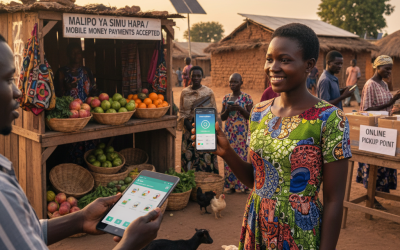
E-commerce is rapidly transforming how businesses operate in East Africa, offering entrepreneurs the opportunity to reach wider markets and provide convenience to customers. With increasing internet penetration, mobile money adoption, and a growing middle class, the region’s e-commerce landscape is thriving. However, building a successful e-commerce store requires strategic planning, customer understanding, and efficient operations. This article provides actionable steps for entrepreneurs looking to establish and grow a thriving e-commerce business in East Africa.
Understanding Your Target Market
The foundation of a successful e-commerce store lies in understanding your customers. Entrepreneurs should conduct thorough market research to identify consumer preferences, purchasing behavior, and gaps in the market. In East Africa, essentials such as fashion, electronics, and groceries are among the most sought-after product categories.
Adapting your offerings to local needs, such as providing affordable and quality goods, is critical. For example, targeting rural areas with essential products and mobile payment options can help tap into underserved markets.
Choosing the Right E-Commerce Platform
Selecting the right platform is crucial for creating a user-friendly and scalable online store. Options like Jumia, Shopify, and WooCommerce are popular in East Africa, each offering unique features to suit different business needs.
Jumia, for instance, provides a marketplace model that connects sellers with buyers, handling logistics and payments. Shopify and WooCommerce allow more control over branding and customization, making them ideal for businesses looking to establish a distinct identity.
Integrating Mobile Money and Payment Systems
Mobile money services like M-Pesa, Airtel Money, and Tigo Pesa are central to the success of e-commerce in East Africa. Integrating these payment options into your online store ensures that customers can transact easily and securely.
Additionally, offering multiple payment methods, including credit cards and cash-on-delivery, caters to a diverse customer base, building trust and expanding your reach.
Streamlining Logistics and Delivery
Efficient logistics and delivery systems are critical for customer satisfaction. Entrepreneurs should partner with reliable logistics providers or establish in-house delivery networks to ensure timely and secure delivery of products.
In Kenya, companies like Sendy offer last-mile delivery solutions tailored for e-commerce businesses. For rural areas, creating collection points at local shops can simplify the delivery process while reducing costs.
Marketing Your E-Commerce Store
Effective marketing drives traffic to your online store and converts visitors into customers. Social media platforms like Facebook, Instagram, and TikTok are powerful tools for promoting your business, reaching target audiences, and building brand loyalty.
Search engine optimization (SEO) and paid ads can enhance your online visibility, while influencer marketing can amplify your reach by leveraging trusted voices in the community.
Challenges and Solutions
Despite its potential, e-commerce in East Africa faces challenges such as limited internet access, high delivery costs, and digital literacy gaps. Entrepreneurs can overcome these barriers by adopting mobile-first strategies, optimizing for low-bandwidth users, and offering localized customer support.
Collaboration with local communities and leveraging public-private partnerships can also help address infrastructure and logistical challenges.
Conclusion
Building a successful e-commerce store in East Africa requires a customer-centric approach, efficient operations, and a strong marketing strategy. By understanding the local market, integrating mobile payment systems, and addressing logistical challenges, entrepreneurs can tap into the region’s growing e-commerce opportunities. With determination and innovation, East African businesses can thrive in the digital economy and redefine the future of commerce.
Forbes – E-Commerce Market Trends
https://www.forbes.com/e-commerce-trends-africa
TechCabal – E-Commerce Platforms in Africa
https://techcabal.com/e-commerce-platforms
GSMA – Mobile Money in E-Commerce
https://www.gsma.com/mobilemoney
 WhatsApp for a Google-Ready Website