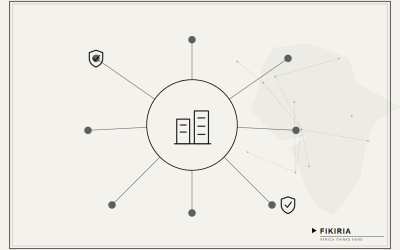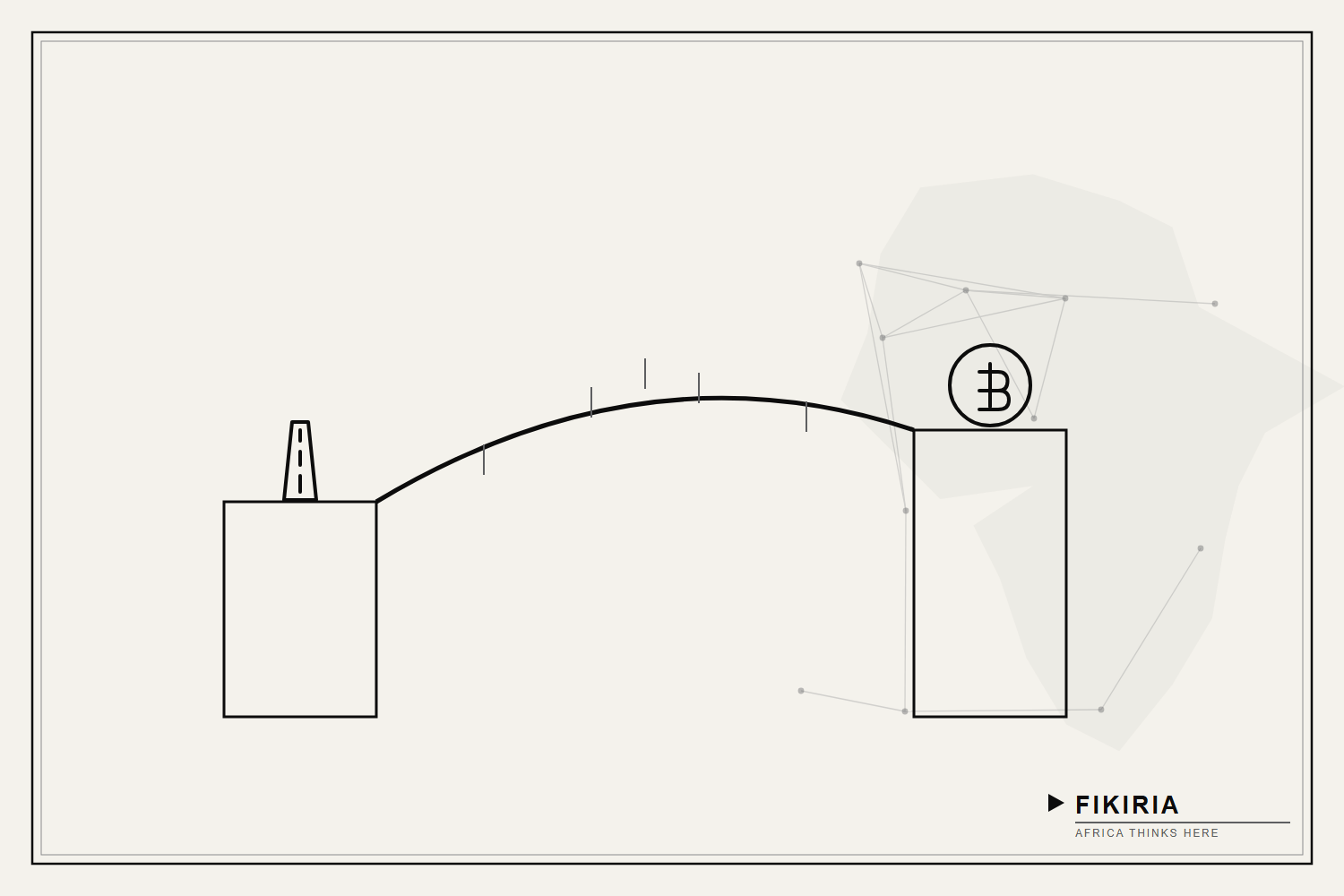

Somalia has spent three decades rebuilding trust in money without the pipes that carry it. Mobile wallets moved billions in value across the country while the formal banking rails stayed thin and disconnected, so a transfer between two institutions could still stall at the edge of each one’s private network. This week the Central Bank of Somalia moved to close that gap, launching a nationwide instant-payment system that connects financial institutions and supports faster interoperable transfers and QR-based payments. For anyone who builds, owns or leases physical space, a national settlement switch is not an abstraction. It is infrastructure, and infrastructure reprices land.
The Rail Beneath the Real Estate: Why a Switch Is a Site Decision
A payment switch is easy to picture as software, but it lives somewhere. National switch and settlement infrastructure needs secure data-centre capacity, resilient power, redundant connectivity and physical premises hardened against outage and interference. In a market where reliable commercial-grade facilities are scarce, that demand does not sit quietly. It competes for the same serviced land, the same engineering talent and the same permitting queues as every other institutional build in Mogadishu.
The reporting questions that matter to a property operator are ownership and maintenance. The Central Bank of Somalia is positioned as the anchor of the system, with the technology delivered by a specialist payments provider. Who holds the long-term facilities obligation, and on what maintenance terms, is the difference between a one-off construction contract and a decade of recurring engineering demand. [TK] on the specific tenancy and service arrangements.
Takeaway: a national switch converts a policy announcement into a standing requirement for hardened, well-located commercial space.
The Address Premium: Which Locations Could Reprice
Interoperability changes where commerce can credibly happen. When a merchant in a secondary town can accept a QR payment that settles instantly against any bank or wallet, the friction that once tethered serious trade to a handful of city blocks begins to loosen. Reduced fragmentation between banks and wallets means a shopfront’s viability depends less on which network its customers happen to use, and more on footfall and access.
That is a quiet signal for anyone weighing retail, warehousing or mixed-use development. Locations that were previously cash-only islands become plausible sites for formal, bankable tenants. The premium attached to being near a bank branch softens when settlement is national and instant. For a landlord, the underwriting question shifts from proximity to legacy infrastructure toward proximity to people and goods.
Takeaway: instant settlement widens the map of investable commercial locations beyond the traditional banked core.
The Capacity Test: Permits, Compensation and Who Maintains It
Delivery is where optimism meets the ground. Somalia’s construction and engineering sector carries real constraints: land tenure disputes, uneven permitting, thin availability of specialised contractors and the standing cost of security. A settlement network’s physical nodes must be maintained to a standard that does not tolerate improvisation, because downtime in a national switch is downtime for the whole economy.
The honest local tension is capacity. Land acquisition and compensation can be contested; engineering capability for uninterruptible, secure facilities is limited; and maintenance regimes only hold if someone is funded to run them for years. None of these are reasons to discount the launch. They are the checklist an operator uses to price the risk of building alongside it. Full technical and permitting specifications are the primary document to obtain from the Central Bank of Somalia before committing capital.
Takeaway: the switch is only as durable as the land, permits and maintenance discipline that sit under it.
For an African property operator reading this from Nairobi, Kampala or Kigali, the decision implication is concrete. Somalia’s instant-payment launch improves the country’s readiness for regional payment links, remittances and EAC-style commercial integration, and that readiness is what turns a building from a gamble into an asset. The move to watch is not the software going live. It is the second-order demand for hardened commercial space, the locations that shed their cash-only discount, and the maintenance contracts that decide whether this infrastructure compounds or decays. Price those, and you are pricing the real estate.