
A privacy law looks like paperwork until you ask where the data physically lives. When Uganda enacted the Data Protection and Privacy Act — rules for how personal data is collected, processed, stored and transferred — it wrote a statute with a footprint. Data is stored on servers, servers sit in buildings, and buildings need land, power and engineering. For anyone who reads markets through assets and infrastructure, the Act’s most concrete consequence is a set of decisions about where Ugandan personal data must be housed, and what that means for the physical estate that houses it.
The Localisation Footprint: Rules that reach into real estate
The Act’s provisions on storage and cross-border transfer are the ones that touch land and buildings. Where the law constrains sending personal data abroad, it strengthens the case for holding and processing that data within reach — and processing infrastructure is a real asset with a location. Banks, telecoms and health providers reassessing where their systems sit are making, in effect, property and engineering decisions. The question of whether Ugandan data must stay closer to home is also a question about demand for secure, well-connected space in and around Kampala and Entebbe. Takeaway: a rule about data transfer is quietly a rule about where infrastructure gets built.
The Engineering Spec: What secure data housing actually requires
Housing regulated data is not the same as renting an office. It demands reliable power, cooling, physical security, redundancy and connectivity — an engineering specification more exacting than ordinary commercial construction. In a market where grid reliability and fibre reach vary, meeting that spec is a delivery challenge before it is a compliance one. The firms that can site, power and connect compliant facilities, and maintain them to standard, control a scarce capability. The constraint is not land alone but the engineering and utilities that make a given plot fit for purpose. A well-located parcel with unreliable power or thin fibre is not, for this purpose, a usable site, and upgrading it is a construction and utilities project in its own right. That reframes the shortage: what is scarce is not ground but ground served to specification, and closing that gap is where the engineering value sits. Takeaway: the binding limit on compliant data housing is engineering capacity, not floor space.
The Corridor Logic: Why location reprices around connectivity
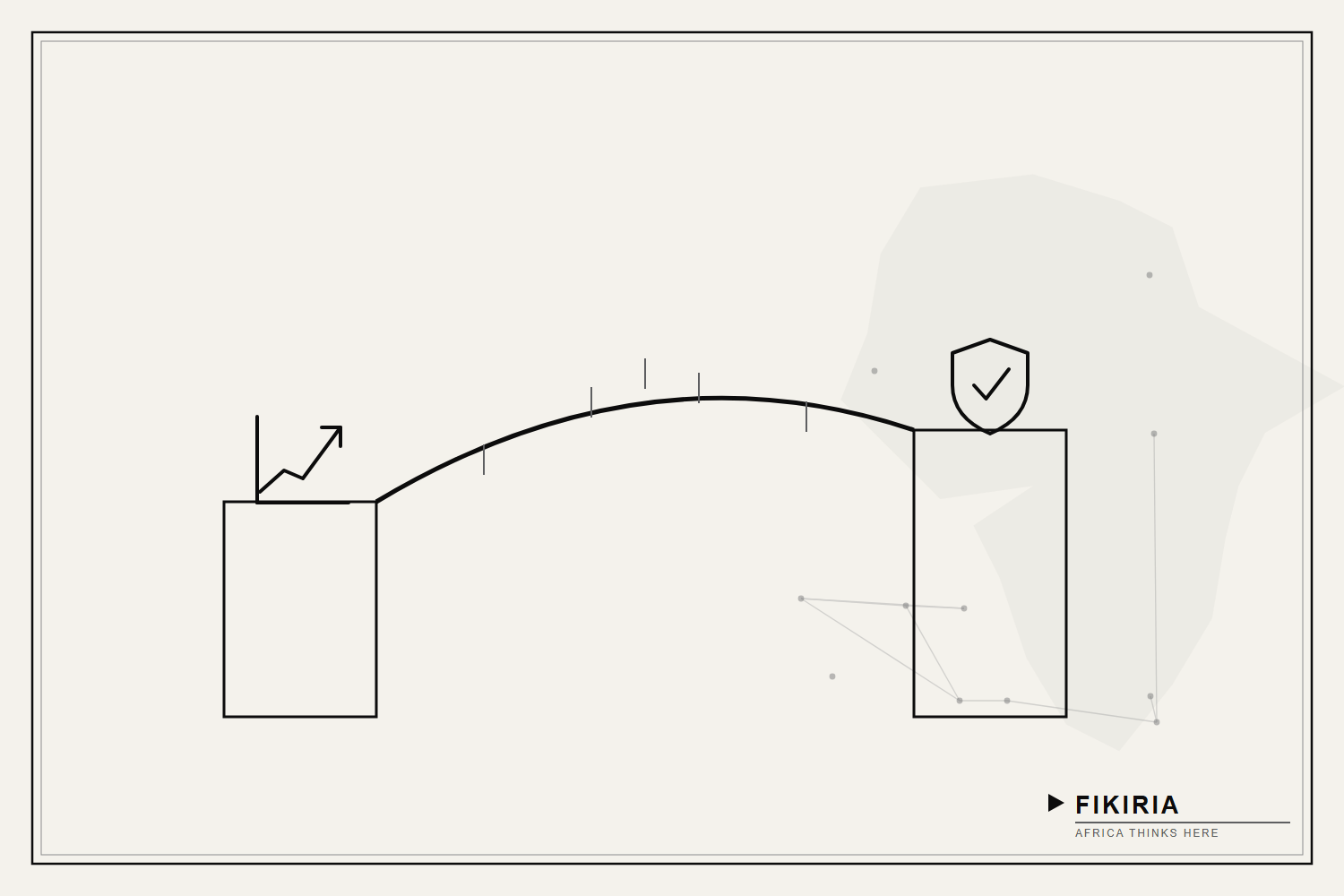
Infrastructure follows corridors, and data infrastructure follows the same logic as physical trade. Proximity to reliable power, to the fibre routes that carry traffic, and to the institutional customers in the capital shapes which locations could reprice as demand for compliant processing space firms up. The Entebbe corridor, with its connectivity and proximity to Kampala’s regulated institutions, is the kind of node where infrastructure demand concentrates. This is the same corridor economics that governs warehousing along a transport route, applied to the digital estate. Takeaway: compliant data housing will cluster where power and connectivity already run, repricing those locations first.
So What: Read the law as a siting decision
For an investor or operator in the built environment, the decision implication is to treat the enacted statute as a signal about future demand for a specific kind of asset, and to weigh Uganda’s rules against an uneven regional patchwork when deciding where a single regional facility should sit. The land, permitting and engineering choices that determine whether compliant infrastructure can be delivered — and who owns and maintains it afterwards — are being reframed by a law that never mentions concrete. The firms reading data governance as an infrastructure brief, rather than a legal one, will be first to the locations that reprice. The Act was written about information. Its footprint lands on the ground.