
A country can announce that it wants to be a financial hub, but a hub is not a slogan. It is floor space, fibre, power and a plan for who keeps the lights on. On 12 March 2026, Rwanda moved to close the distance between intent and address, launching a FinTech Centre alongside the Innovate Rwanda platform to connect innovators, financial institutions, investors, research support and incubation programmes within one coordinated ecosystem. For anyone who reads announcements through the lens of land, permits and engineering, the interesting question is not the ambition. It is the asset behind it.
The Address: Why a convening point needs a physical home
Fintech is often described as weightless, but the institutions that anchor it are not. A centre that promises coordination, incubation and regulatory navigation has to sit somewhere with reliable power, redundant connectivity and room for tenants to grow from a desk to a floor. Rwanda has spent years positioning Kigali as a place where clean administration meets financial ambition, and the Kigali International Financial Centre has been the institutional face of that pitch. A dedicated FinTech Centre gives that pitch a fixed point on the map, the difference between inviting firms to a country and inviting them to a building. For construction and engineering readers, that is where the economics begin.
The takeaway: a convening ambition only becomes an investable one when it acquires an address that can carry load, both electrical and commercial.
The Groundwork: Land, permits and the capacity to deliver
Every hub of this kind rests on a chain of unglamorous decisions, and each is a place delivery can slow. Who holds title to the site, on what tenure, and under which permitting path. Whether existing structures were repurposed or new build is planned, and what that implies for compensation, servicing and programme. Whether local engineering and contracting capacity can meet specification without importing every skilled trade. As of the launch date, the announcement establishes the coordinating intent rather than a detailed works schedule, and the ownership and maintenance model for the asset over its life is not yet public [TK]. Those are not footnotes. A fintech tenant signs for uptime and predictability, so the maintenance covenant behind the walls is as commercially important as the brand on them.
The takeaway: the credibility of a fintech address is decided less by the ribbon-cutting than by the permit, the power connection and the maintenance budget behind it.
The Map: Which locations could reprice
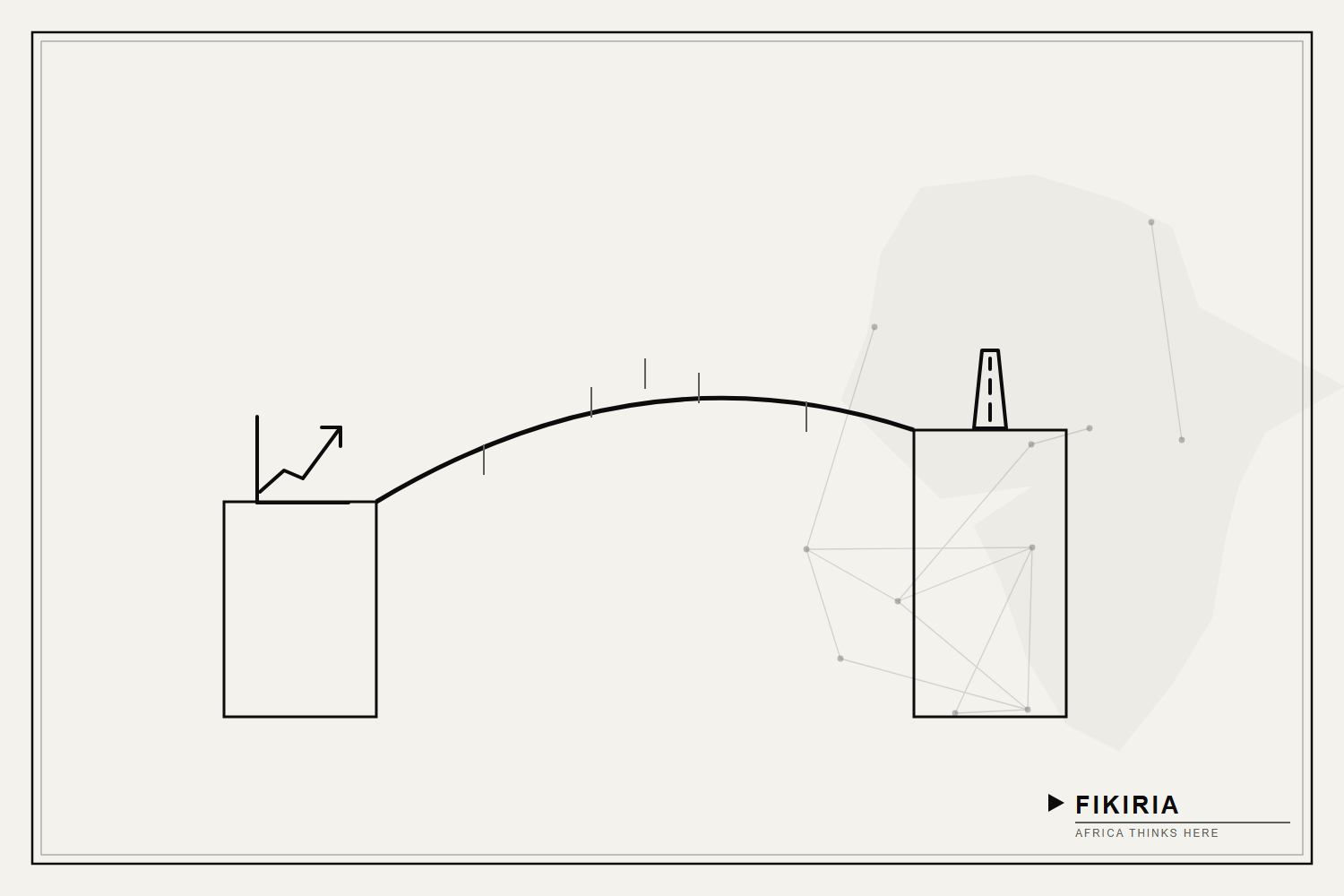
An anchor institution rarely stays contained within its own perimeter. Once a coordinating centre draws founders, financiers and support firms into one district, demand tends to migrate to the streets around it, for serviced office space, short-stay accommodation, meeting venues and the ground-floor commerce that follows concentrated professional traffic. Kigali’s advantage in this is its scale and order, which make district-level effects legible rather than diffuse. Owners of commercial space within convenient reach of the centre have reason to watch absorption and rent trends closely, while the wider signal is regional, the centre positions Kigali as a gateway for fintech firms from neighbouring markets, and gateways concentrate demand at their doors.
The takeaway: the first property to move is not the centre itself but the serviced space around it, and that repricing starts with a leasing decision, not a headline.
So What: The decision in front of an operator
For an African property or engineering operator, the launch reframes a familiar question. The bet is not whether fintech will need real estate, it will, but whether this particular ecosystem converts intent into serviced, maintainable, well-connected space on a schedule tenants can plan around. The signals worth tracking through 2026 are concrete, the permitting path, the servicing of power and connectivity, the named party responsible for maintenance, and early leasing in the surrounding blocks. Rwanda has supplied the ambition and the coordinating platform. The construction lens simply insists on the next line of the story, who builds it, who keeps it, and which corner of Kigali reprices first.