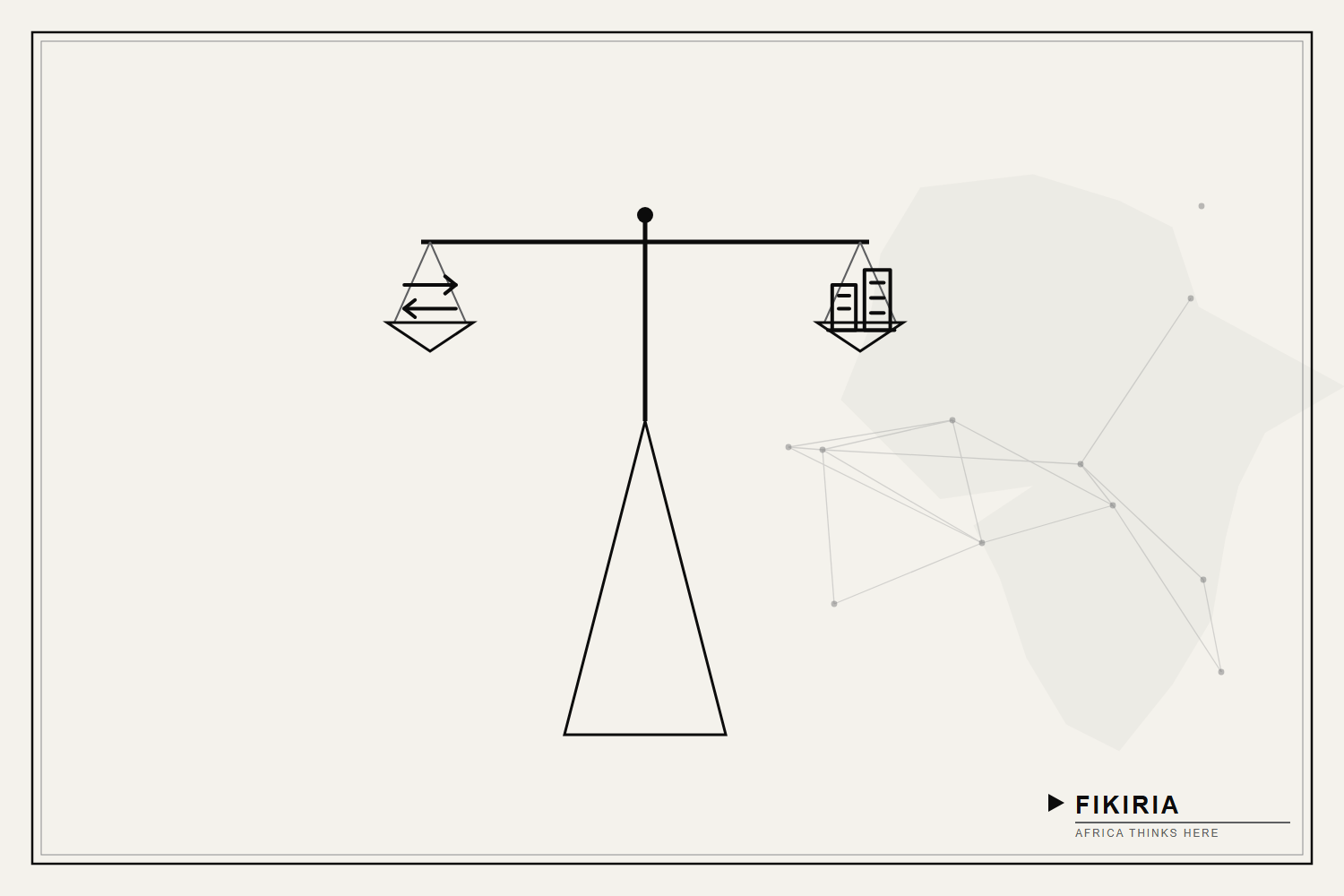

Kenyans have heard the promise of an affordable home before, usually as a slogan and rarely as a key handed over. On 26 June 2023 the promise came with a price tag attached to the payslip. The Finance Act, 2023 introduces an Affordable Housing Levy, a payroll-linked contribution that funds the affordable-housing programme by taking from workers and employers now, in exchange for housing later. For the customer, the ordinary formal-sector employee, this reframes an abstract policy as a personal transaction: what do I pay, and what do I actually get?
The Value Exchange: Paying today for a promise of tomorrow
From the customer’s seat the levy is, first, a deduction. Take-home pay falls immediately and visibly, at a time when the cost of food, transport and fuel is already stretching Nairobi and Mombasa households. The return, access to an affordable home, is deferred, conditional and, for many contributors, uncertain. That is a difficult product to sell: the cost is certain and immediate, the benefit is probabilistic and future.
That asymmetry is the core adoption challenge. A worker who does not expect to receive a unit experiences the levy purely as a tax; a worker who does expect one experiences it as a savings-and-access scheme. How the programme communicates and honours that distinction determines whether contributors feel like customers or merely taxpayers.
The takeaway: the levy asks customers to pay a certain price now for an uncertain benefit later, and that trade defines its reception.
The Access Design: Registration as the customer front door
The programme’s customer interface is the registration channel, BomaYangu, where prospective buyers record interest in affordable units. That portal is where the housing promise becomes a queue: it captures who wants a home, at what income band, in which location. For the customer, registering is the first concrete act that connects the payslip deduction to a possible unit.
The pricing and access questions follow directly. Which income segments qualify, how units are allocated among far more registrants than homes, and whether the monthly cost of ownership or rent genuinely fits a modest wage are the terms that decide real affordability. A home that is technically subsidised but still priced beyond a teacher or a matatu operator is not affordable in practice.
The takeaway: the registration portal is the customer relationship, and allocation and true monthly cost are where affordability is won or lost.
The Trust Test: New promise versus lived experience
Customers judge schemes by delivery, not design. Kenyans carry memory of housing pledges that produced show units and little else, so the levy starts with a trust deficit it did not create. Every contributor becomes, in effect, an involuntary early adopter, funding a programme whose credibility depends on visible completions.
That is where legal contestation and the compliance burden feed back into customer sentiment. A charge that is disputed in public, or perceived as another cost on the already-taxed formal worker, erodes the goodwill a housing scheme needs. Conversely, visible, occupied, correctly priced homes are the only marketing that converts sceptics.
The takeaway: adoption will track delivery, and the fastest way to lose the customer is to collect reliably while building slowly.
So What: The customer decision and the operator’s cue
For the individual contributor on 26 June 2023, the practical step is to register interest through the official channel and treat the levy as a forced housing-savings line rather than a lost deduction, while watching whether allocation and pricing genuinely fit their income. For any operator, developer, fintech, property manager or brand, the opening is the customer relationship the state is unlikely to own well: helping contributors navigate registration, financing top-ups and the path from queue to keys.
The indicator to track is the conversion from registrations to occupied units, and whether monthly costs land within reach of the wages being levied. Solve the customer’s real problem, an affordable home at a payable price, and you own a relationship the levy created but did not complete.


