Social media has become a powerful force in shaping the e-commerce landscape in East Africa, driving sales and connecting businesses with customers. Platforms like Facebook, Instagram, and WhatsApp have transformed how businesses market their products, engage with consumers, and close sales. By leveraging social media, businesses of all sizes, from startups to established brands, are reaching broader audiences and enhancing customer experiences. This article explores the profound impact of social media on e-commerce in East Africa and the opportunities it presents for businesses and consumers.
Social Media as a Marketing Tool
Social media platforms have democratized access to marketing, enabling businesses to reach their target audiences without requiring significant advertising budgets. Through sponsored posts, targeted ads, and organic content, businesses can showcase their products to potential customers with precision.
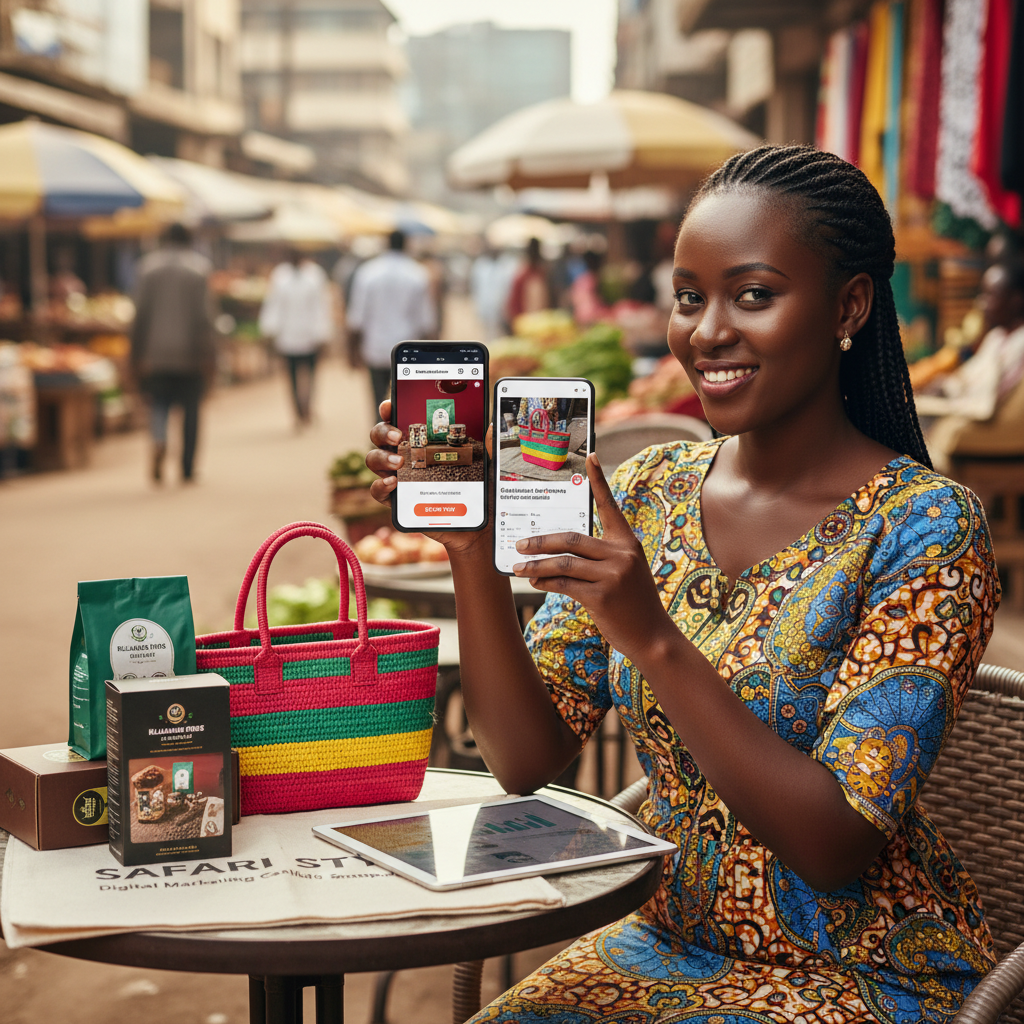
In Kenya, Instagram has become a hotspot for fashion and lifestyle businesses, with entrepreneurs using the platform to display visually appealing product catalogs. Similarly, WhatsApp is widely used for direct customer interactions and order placements, creating a seamless shopping experience.
Influencer Marketing and Brand Visibility
Influencer marketing has gained significant traction in East Africa, with businesses partnering with social media personalities to promote their products. Influencers act as trusted voices for their followers, helping businesses build credibility and drive sales.
For instance, beauty brands in Uganda collaborate with influencers to showcase products through tutorials and reviews, increasing brand awareness and consumer trust. These partnerships are particularly effective in capturing younger audiences who rely heavily on social media for product recommendations.
Social Media-Driven E-Commerce Platforms
Social media has given rise to a new breed of e-commerce platforms that integrate seamlessly with popular networks. Platforms like Facebook Shops and Instagram Shopping allow businesses to list products directly on their social media profiles, enabling customers to browse and purchase without leaving the app.
These features are especially beneficial for small businesses, reducing the need for standalone websites and simplifying the buying process. For example, a local artisan in Tanzania can use Facebook Shops to sell handmade jewelry to customers across the region, leveraging the platform’s reach and convenience.
Consumer Behavior Insights
Social media provides valuable insights into consumer behavior, helping businesses tailor their offerings and marketing strategies. Analytics tools on platforms like Facebook and Instagram allow businesses to track engagement, monitor trends, and understand customer preferences.
This data-driven approach enables businesses to refine their campaigns and improve customer experiences. A food delivery service in Nairobi, for instance, can analyze social media trends to identify popular cuisines and adjust its menu accordingly.
Challenges and Opportunities
While social media offers immense opportunities, it also presents challenges such as competition, misinformation, and algorithm changes that impact content visibility. Businesses must stay agile and adapt to these dynamics by maintaining active profiles, engaging with customers, and diversifying their marketing strategies.
Additionally, limited internet access and digital literacy in some rural areas may hinder the full potential of social media-driven e-commerce. Addressing these challenges requires investment in infrastructure and education to ensure inclusivity.
Conclusion
Social media is reshaping the e-commerce landscape in East Africa, empowering businesses to reach wider audiences and enhance customer engagement. By leveraging platforms like Instagram, Facebook, and WhatsApp, businesses can drive sales, build trust, and gain valuable consumer insights. As internet penetration and digital adoption grow, social media will continue to play a pivotal role in the region’s e-commerce ecosystem, creating opportunities for businesses and consumers alike.
TechCabal – Social Media Commerce
https://techcabal.com/social-commerce-africa
Statista – Social Media Trends in Africa
https://www.statista.com/social-media-trends-africa
Facebook Business – Social Shopping Features
https://www.facebook.com/business/social-shopping
 WhatsApp for a Google-Ready Website