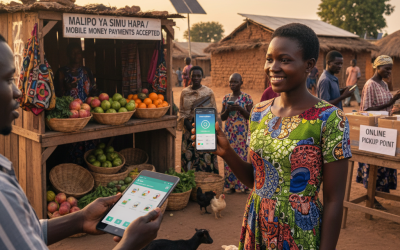
E-commerce is poised to become a cornerstone of East Africa’s digital economy, driven by advancements in technology, increasing internet penetration, and a growing consumer base. As businesses and consumers continue to embrace online shopping, emerging trends are shaping the future of e-commerce in the region. From mobile-first strategies to blockchain technology, this article highlights key trends to watch and their potential impact on East Africa’s e-commerce landscape.
Mobile-First E-Commerce
Mobile phones are at the heart of East Africa’s e-commerce revolution. With high mobile penetration rates and widespread adoption of mobile money services like M-Pesa, Airtel Money, and Tigo Pesa, mobile-first strategies are transforming how consumers shop online.
E-commerce platforms are optimizing their websites and apps for mobile devices, ensuring seamless navigation and faster loading times. Businesses that prioritize mobile accessibility are better positioned to capture the growing number of smartphone users in urban and rural areas alike.
Integration of AI and Personalization
Artificial intelligence (AI) is enhancing the e-commerce experience through personalized recommendations, chatbots, and predictive analytics. AI-driven algorithms analyze consumer behavior to suggest products tailored to individual preferences, improving customer satisfaction and driving sales.
For example, an online fashion retailer in Kenya can use AI to recommend clothing styles based on a customer’s past purchases and browsing history. Similarly, AI-powered chatbots provide 24/7 customer support, answering inquiries and resolving issues efficiently.
Expansion of Cross-Border E-Commerce
Regional trade agreements, such as the African Continental Free Trade Area (AfCFTA), are facilitating cross-border e-commerce by reducing tariffs and harmonizing trade policies. This integration enables East African businesses to access new markets across the continent, fostering growth and collaboration.
Online marketplaces like Jumia and Kilimall are expanding their operations to serve multiple countries, offering customers a wider range of products while helping sellers reach a larger audience.
Blockchain for Transparency and Trust
Blockchain technology is gaining traction in East Africa’s e-commerce sector, addressing issues such as fraud, counterfeit goods, and lack of transparency. Blockchain ensures secure and traceable transactions, building trust between buyers and sellers.
For instance, a food delivery service could use blockchain to verify the origin and quality of products, giving customers confidence in their purchases. Blockchain also facilitates cross-border payments, reducing costs and enhancing efficiency for international transactions.
Growth of Social Commerce
Social commerce, driven by platforms like Instagram, Facebook, and WhatsApp, is reshaping how businesses interact with customers. These platforms enable businesses to showcase products, engage with audiences, and close sales without requiring standalone e-commerce websites.
With features like live shopping and in-app purchases, social commerce blurs the lines between social networking and online shopping, creating a seamless experience for consumers.
Sustainability in E-Commerce
As consumers become more environmentally conscious, sustainability is emerging as a key trend in e-commerce. Businesses are adopting eco-friendly practices, such as using biodegradable packaging, reducing carbon footprints, and supporting ethical sourcing.
For example, a Ugandan online grocery store may offer farm-to-table delivery services, minimizing waste and supporting local farmers while appealing to eco-conscious consumers.
Conclusion
The future of e-commerce in East Africa is bright, driven by mobile-first strategies, AI personalization, blockchain technology, and sustainability. As these trends continue to shape the industry, businesses that adapt and innovate will thrive in the dynamic digital landscape. By embracing emerging technologies and prioritizing customer-centric practices, East Africa’s e-commerce sector is set to unlock new opportunities and drive economic growth across the region.
Forbes – AI in E-Commerce
https://www.forbes.com/ai-e-commerce
African Union – E-Commerce in AfCFTA
https://www.au.int/e-commerce-afcfta
GSMA – Mobile E-Commerce Growth
https://www.gsma.com/mobile-e-commerce-growth
 WhatsApp for a Google-Ready Website