
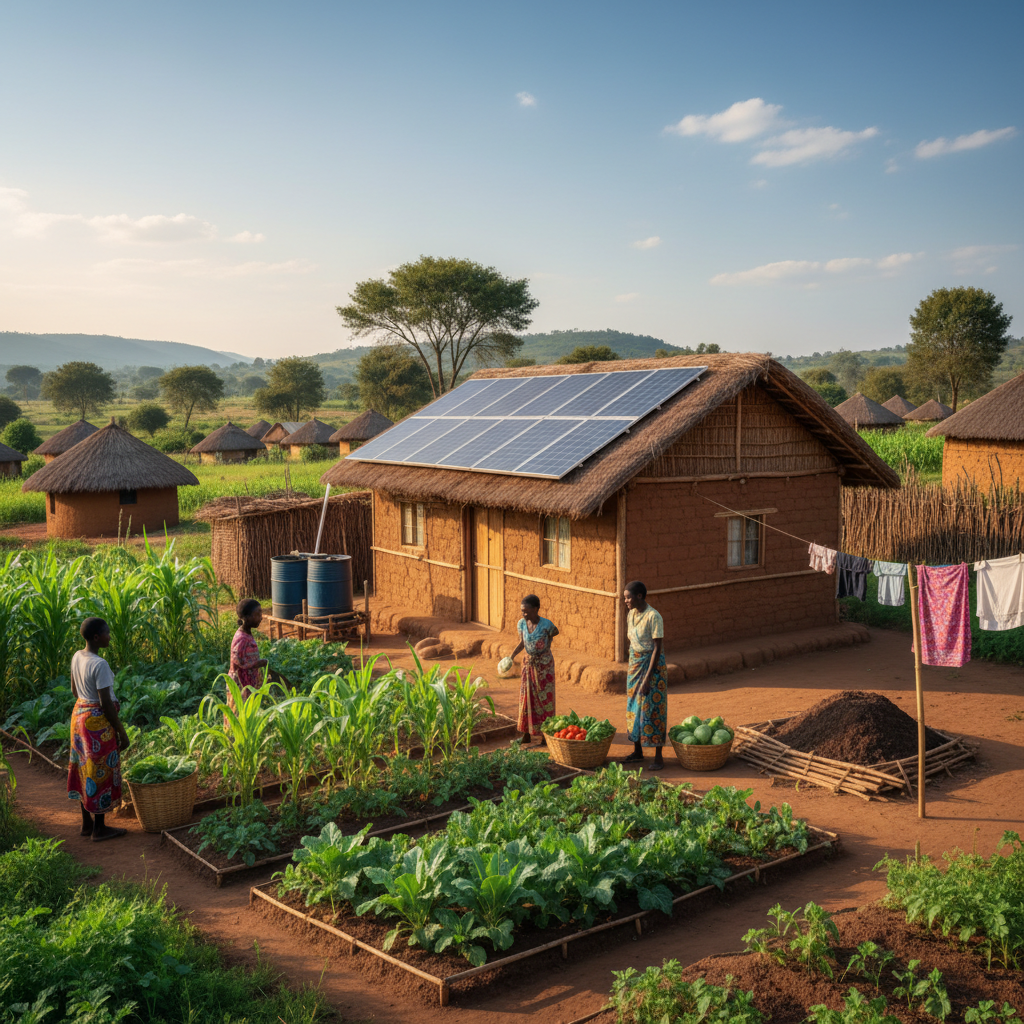
Sustainability is becoming a way of life in East Africa, particularly in rural communities where eco-friendly practices are gaining traction. These practices not only help conserve the environment but also provide long-term economic benefits. From water conservation to renewable energy adoption, rural areas are embracing sustainable living as a means to improve livelihoods and safeguard resources for future generations. This article explores practical and impactful sustainable living practices that are shaping rural East Africa.
Water Conservation for Everyday Use
Water is a precious resource, especially in arid and semi-arid regions of East Africa. Communities are adopting simple but effective conservation methods such as rainwater harvesting. By installing collection tanks or using natural depressions to store rainwater, households ensure a reliable supply of water for domestic use and irrigation.
Another sustainable practice is the use of drip irrigation systems in smallholder farms. This method minimizes water wastage by delivering water directly to the roots of crops, enhancing efficiency and crop yields. In addition, greywater recycling\u2014reusing wastewater from sinks and showers for non-drinking purposes\u2014is becoming more common, reducing the overall demand for freshwater.
Renewable Energy for Everyday Needs
Solar energy has revolutionized rural living in East Africa. Solar panels provide affordable and clean electricity for lighting, cooking, and powering small appliances. Organizations and startups like M-KOPA are making solar systems accessible through pay-as-you-go financing models, enabling households to switch from costly and polluting kerosene lamps to sustainable alternatives.
Biogas technology is another impactful solution, especially for households with livestock. Converting animal waste into biogas provides a clean cooking fuel while reducing reliance on firewood, which helps combat deforestation and indoor air pollution.
Waste Management and Recycling
Proper waste management is vital for sustainable living. Rural communities are adopting practices such as composting organic waste to produce natural fertilizers. This not only reduces landfill waste but also enriches the soil, promoting sustainable agriculture.
Recycling initiatives are also gaining momentum, with communities repurposing materials like plastic bottles into construction materials or household items. These efforts reduce environmental pollution and create opportunities for income generation.
Community-Led Conservation Efforts
Sustainability thrives when communities work together. In rural Tanzania, groups are establishing tree-planting initiatives to combat deforestation and soil erosion. These efforts not only restore degraded land but also provide economic benefits through timber and fruit production.
In Kenya, women’s groups are spearheading conservation projects such as creating eco-friendly stoves that use less firewood, reducing both environmental impact and household energy costs. These projects showcase how local leadership can drive meaningful change.
Conclusion
Sustainable living practices in rural East Africa are a testament to the power of community-driven solutions. By conserving water, adopting renewable energy, managing waste effectively, and promoting conservation, these practices create a better quality of life while protecting the environment. With continued support from governments, NGOs, and private sectors, rural East Africa is setting an example of how sustainability can be achieved on a grassroots level.
WaterAid – East Africa Water Projects
https://www.wateraid.org/east-africa-conservation
SolarAid – Clean Energy for Rural Africa
https://www.solar-aid.org/clean-energy-africa
UNEP – Waste Management in Africa
https://www.unep.org/africa-waste-management
 WhatsApp for a Google-Ready Website


