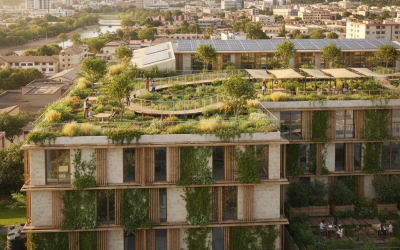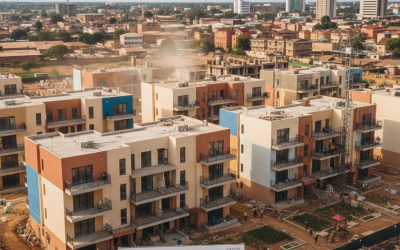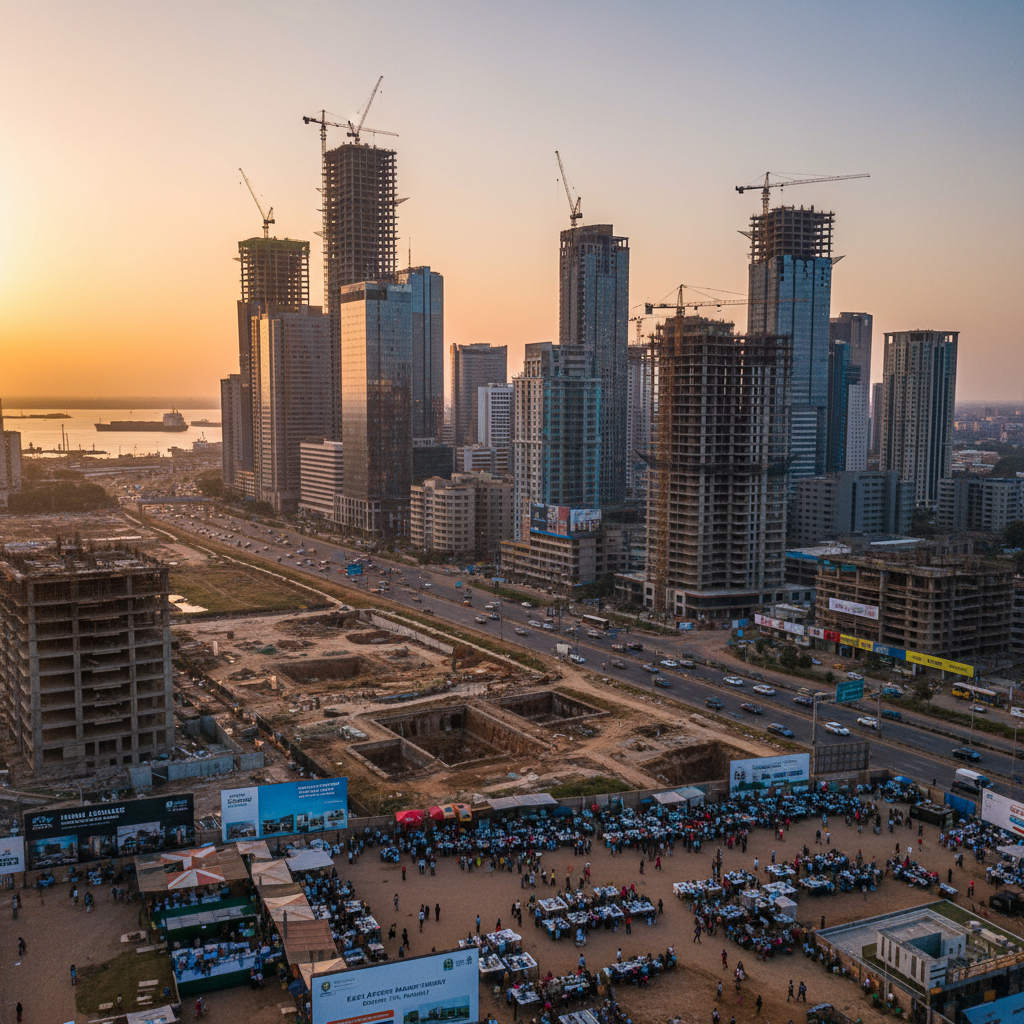
Real estate is a cornerstone of economic growth in East Africa, contributing significantly to GDP and creating employment opportunities across the region. As urbanization accelerates, demand for residential, commercial, and industrial properties continues to rise, fueling investments in the sector. Beyond its economic impact, real estate development addresses critical needs such as housing shortages and infrastructure deficits. This article explores the pivotal role of real estate in East Africa’s economy and the opportunities it presents for investors and businesses.
Real Estate as an Economic Driver
The real estate sector plays a vital role in economic development by stimulating related industries such as construction, manufacturing, and financial services. Each real estate project generates demand for materials like cement, steel, and glass, creating jobs and boosting local economies.
In Kenya, the real estate sector contributes approximately 8% of GDP, with residential and commercial developments driving growth. Similarly, in Tanzania and Uganda, ongoing infrastructure projects, such as industrial parks and mixed-use developments, are enhancing the business environment and attracting foreign direct investment (FDI).
Meeting the Demand for Housing and Commercial Spaces
Rapid urbanization across East Africa has intensified the demand for affordable housing and modern commercial spaces. Cities like Nairobi, Dar es Salaam, and Kigali are witnessing a surge in property development to accommodate growing populations and expanding businesses.
Affordable housing projects, supported by government incentives and private sector investments, are addressing the housing gap. Meanwhile, commercial developments, including office parks and shopping malls, are transforming urban landscapes and providing hubs for economic activity.
Real Estate Investment Opportunities
The real estate market in East Africa offers diverse opportunities for investors. Residential developments, particularly in emerging suburbs, cater to middle-income families seeking affordable yet quality housing. High-end residential properties in prime locations also attract buyers and renters, both locally and internationally.
Commercial real estate, including office spaces and retail centers, remains a lucrative investment as businesses seek modern facilities to support their operations. Industrial properties, such as warehouses and manufacturing plants, are in high demand due to the growth of e-commerce and regional trade.
Challenges in the Real Estate Sector
Despite its potential, the real estate sector faces challenges such as high construction costs, complex regulatory processes, and inadequate infrastructure. Access to financing is also a barrier for many developers and buyers, limiting the pace of development.
To overcome these challenges, stakeholders must collaborate to streamline regulatory frameworks, promote transparency, and expand access to affordable financing. Investments in infrastructure, such as roads and utilities, are essential to unlocking the full potential of real estate.
Conclusion
Real estate is a key pillar of East Africa’s economy, driving growth, creating jobs, and addressing critical housing and infrastructure needs. With urbanization and economic diversification fueling demand, the sector presents significant opportunities for investors and developers. By addressing challenges and fostering a supportive environment, East Africa can maximize the impact of real estate on its economic development and quality of life.
Knight Frank – Real Estate in East Africa
https://www.knightfrank.com/east-africa-real-estate
Reuters – Real Estate Investment Africa
https://www.reuters.com/africa-real-estate
PwC – Real Estate in Africa
https://www.pwc.com/africa-real-estate
 WhatsApp for a Google-Ready Website