Rural land in East Africa holds immense potential for generating income and fostering economic development. However, much of this land remains underutilized due to limited resources, knowledge, or access to markets. By adopting innovative approaches and leveraging local opportunities, landowners can transform idle properties into productive and profitable ventures. This article explores practical strategies for monetizing rural land in East Africa, from agribusiness and tourism to renewable energy projects.
Agribusiness Opportunities
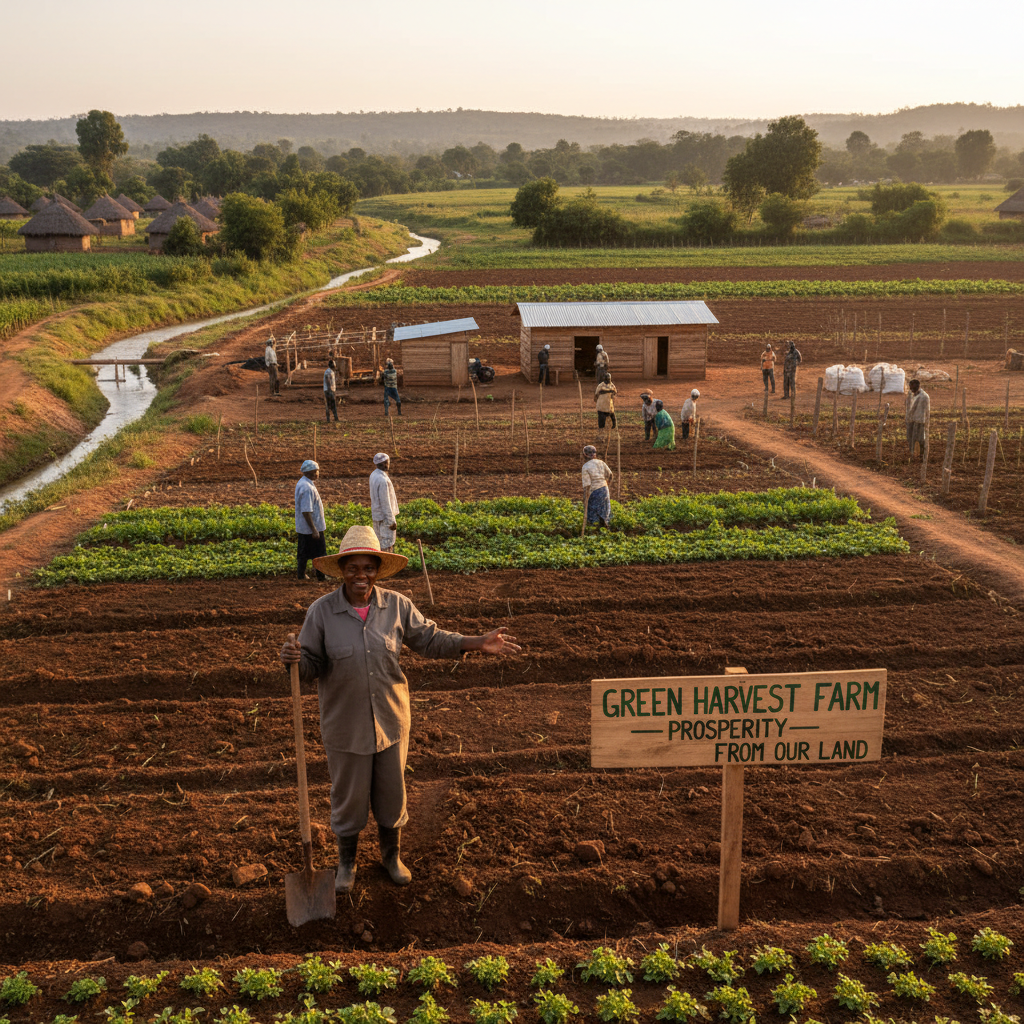
Agriculture remains one of the most effective ways to utilize rural land. Cash crops such as coffee, tea, and spices offer lucrative opportunities for landowners willing to invest in high-value farming. For example, smallholder farmers in Tanzania have boosted their incomes by cultivating organic coffee for export markets.
Livestock farming is another viable option, particularly for landowners with access to water sources and grazing areas. Integrating crop and livestock farming can further optimize land use and diversify income streams. Additionally, establishing agroforestry systems\u2014combining trees with crops or livestock\u2014enhances sustainability while generating income from timber, fruits, or medicinal plants.
Tourism and Hospitality Ventures
Rural East Africa is rich in natural beauty and cultural heritage, making it an attractive destination for eco-tourism and cultural tourism. Landowners can develop eco-lodges, campsites, or cultural centers to attract both domestic and international visitors.
In Kenya, for instance, community-based tourism initiatives have successfully converted rural properties into eco-tourism hubs, generating revenue while preserving local ecosystems. Similarly, in Uganda, cultural homestays provide tourists with authentic experiences while supporting local communities.
Renewable Energy Projects
Rural landowners can tap into the growing demand for renewable energy by hosting solar farms, wind turbines, or biogas plants. Renewable energy projects not only generate income through energy sales but also contribute to sustainability and rural electrification.
In Rwanda, rural landowners are leasing their properties to solar energy companies, earning steady incomes while providing clean energy to off-grid communities. Biogas production, fueled by agricultural or livestock waste, offers another opportunity for generating energy and income simultaneously.
Leasing Land for Development
Leasing rural land to businesses or organizations is a low-risk way to generate income without requiring direct investment. Land can be leased for agricultural purposes, infrastructure projects, or industrial developments. For example, large agribusinesses often lease land to establish commercial farms, creating employment opportunities and boosting local economies.
Additionally, NGOs and government agencies may lease land for community projects such as schools, health centers, or water facilities, providing a dual benefit of income and social development.
Challenges and Recommendations
Turning rural land into a productive asset is not without challenges. Landowners may face issues such as limited access to finance, lack of technical expertise, and regulatory hurdles. Addressing these challenges requires collaboration with local government agencies, NGOs, and private sector players to provide training, funding, and market access.
Engaging with agricultural extension officers, tourism boards, or renewable energy providers can also help landowners identify viable opportunities and navigate the necessary processes for implementation.
Conclusion
Rural land in East Africa has vast potential for income generation through agribusiness, tourism, renewable energy, and leasing opportunities. By exploring innovative uses and collaborating with stakeholders, landowners can unlock the economic value of their properties while contributing to local development. With the right support and investment, rural land can become a catalyst for prosperity and sustainability across the region.
FAO – Monetizing Rural Land
https://www.fao.org/land-opportunities
UNWTO – Rural Tourism in Africa
https://www.unwto.org/rural-tourism-africa
World Bank – Land Leasing Models
https://www.worldbank.org/land-leasing-africa
 WhatsApp for a Google-Ready Website