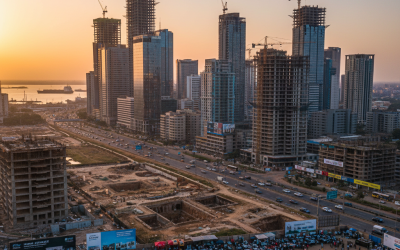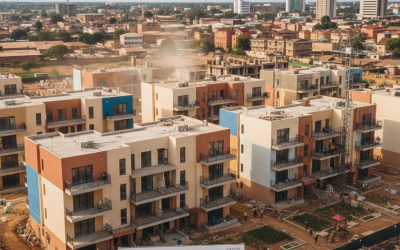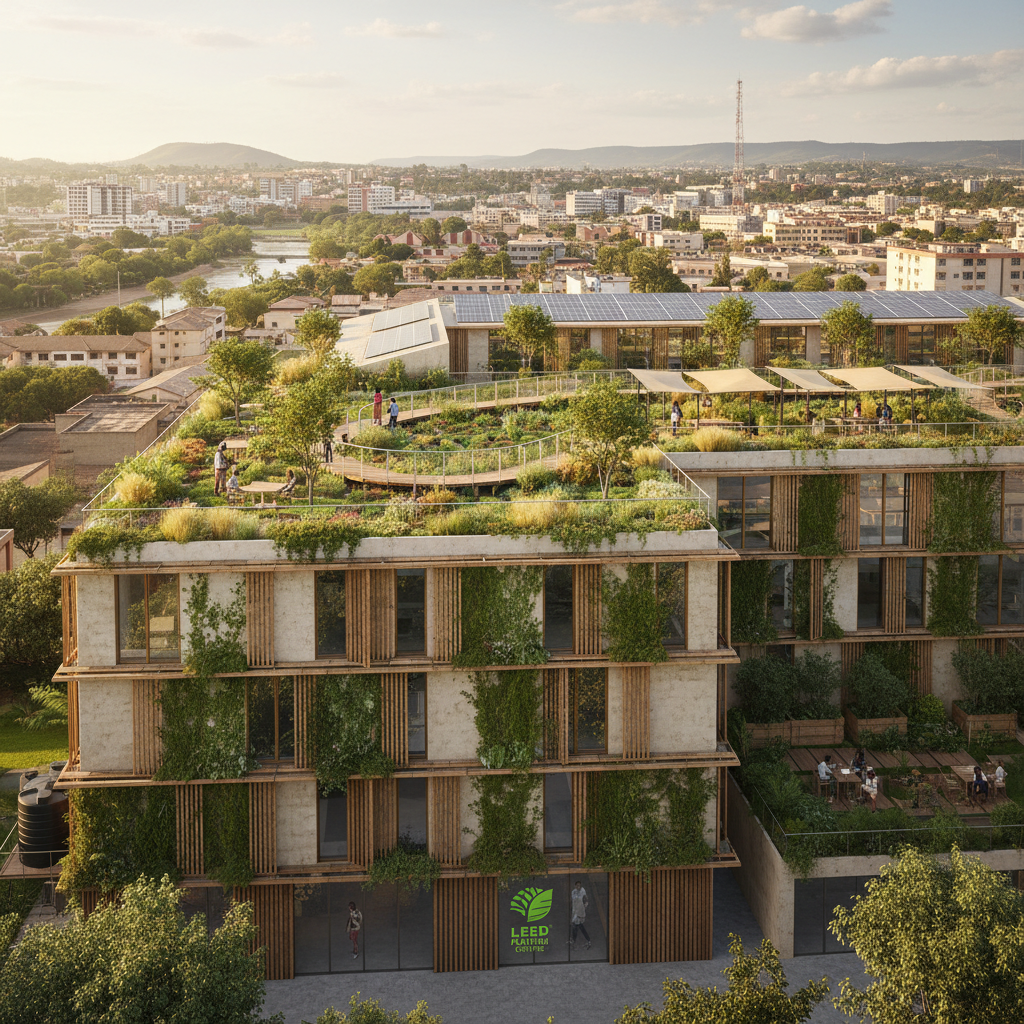
As urbanization accelerates across East Africa, the construction industry is adopting sustainable practices to address environmental challenges and meet the demand for eco-friendly infrastructure. Green building trends are transforming urban landscapes, prioritizing energy efficiency, resource conservation, and environmental responsibility. These practices are not only reducing the carbon footprint of cities but also creating healthier living and working environments. This article explores the latest green building trends in urban East Africa and their impact on sustainability and urban development.
Eco-Friendly Building Materials
The use of eco-friendly materials is at the forefront of green building practices in East Africa. Locally sourced and renewable materials such as bamboo, stabilized soil blocks, and recycled steel are increasingly replacing traditional construction materials. These alternatives reduce the environmental impact of construction while promoting local industries.
For example, developers in Kenya and Rwanda are using interlocking stabilized soil blocks (ISSBs) to construct affordable housing. These blocks require minimal cement and are more sustainable than conventional bricks. Similarly, bamboo is gaining popularity as a versatile and renewable material for flooring, scaffolding, and even structural components.
Energy-Efficient Designs
Energy efficiency is a key focus of green building in East Africa. Architects are designing buildings that maximize natural lighting and ventilation to reduce energy consumption. Features such as solar panels, energy-efficient appliances, and LED lighting are becoming standard in new constructions.
In Nairobi, commercial buildings like the Strathmore Business School incorporate solar energy systems and rainwater harvesting facilities, setting benchmarks for sustainable design. These initiatives not only lower operational costs but also align with global sustainability standards.
Sustainable Water Management
Water scarcity is a significant challenge in many East African cities, making sustainable water management an integral part of green building trends. Developers are incorporating features like rainwater harvesting systems, greywater recycling, and low-flow plumbing fixtures to conserve water.
For instance, Kigali’s Vision City housing project integrates rainwater harvesting and wastewater treatment systems, ensuring efficient water use for residents. These solutions not only reduce water bills but also alleviate pressure on municipal water supplies.
Urban Green Spaces
Green building trends extend beyond structures to include urban green spaces that enhance biodiversity and improve quality of life. Rooftop gardens, vertical gardens, and tree-lined walkways are increasingly being incorporated into urban developments.
In Uganda, the Kampala Green Cities Initiative promotes the integration of green spaces into urban planning, providing shade, improving air quality, and creating recreational areas for residents. These efforts contribute to making cities more livable and resilient to climate change.
Challenges and Opportunities
Despite the progress, green building adoption faces challenges such as high initial costs, limited awareness, and inadequate policy frameworks. Overcoming these barriers requires collaboration between governments, private developers, and international organizations to provide incentives, training, and funding for sustainable projects.
Innovative financing models, such as green bonds and concessional loans, are helping to accelerate the adoption of green building practices. Public awareness campaigns also play a critical role in educating stakeholders about the benefits of sustainable construction.
Conclusion
Green building trends are reshaping urban East Africa, promoting sustainability, and addressing environmental challenges. By embracing eco-friendly materials, energy-efficient designs, and sustainable water management, developers are creating urban environments that are both functional and environmentally responsible. Continued collaboration and investment in green building practices will ensure that East Africa’s cities grow sustainably, benefiting both people and the planet.
World Green Building Council – Africa Trends
https://www.worldgbc.org/green-building-africa
IRENA – Green Buildings in Africa
https://www.irena.org/green-buildings
Architectural Digest – Nairobi Green Buildings
https://www.architecturaldigest.com/nairobi-buildings
 WhatsApp for a Google-Ready Website