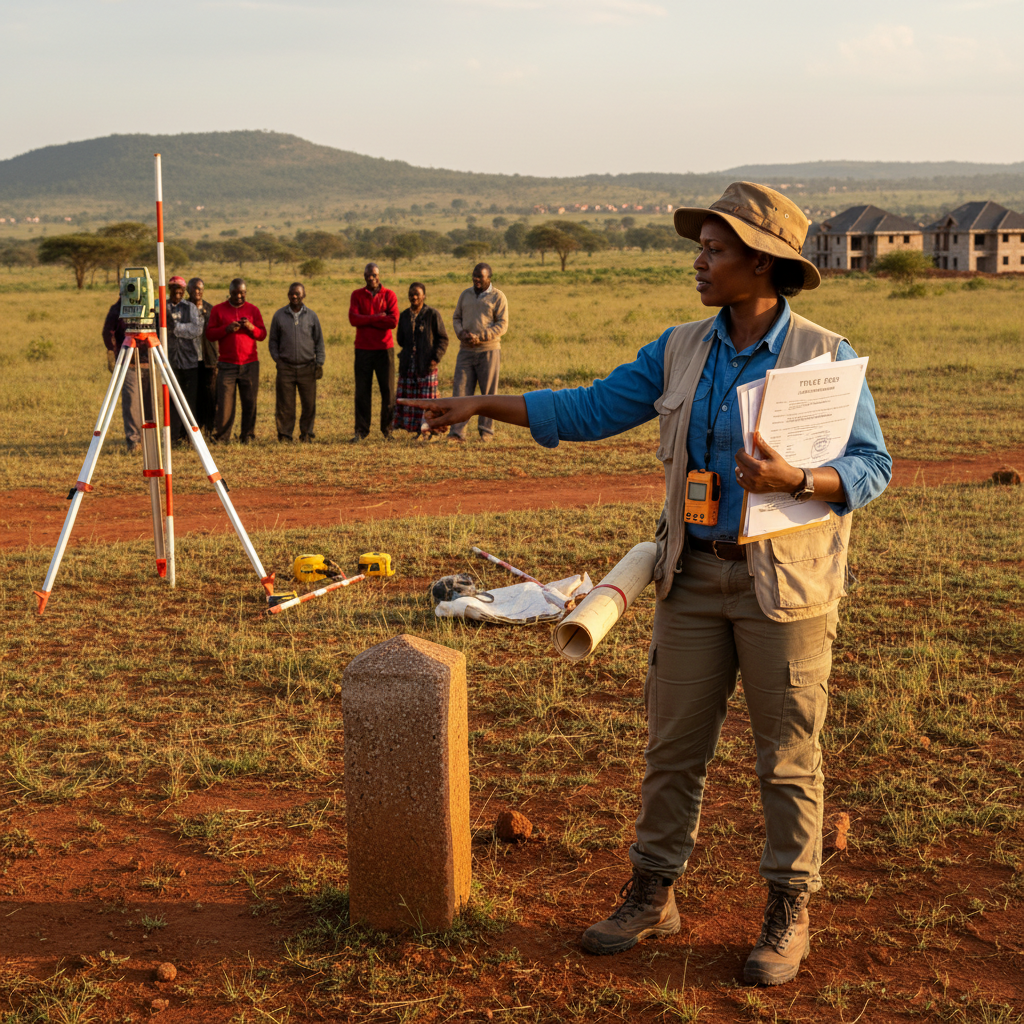
Land ownership is a critical aspect of economic empowerment and development in East Africa. For individuals and businesses, securing land provides a foundation for investment in agriculture, real estate, and infrastructure. However, navigating land ownership laws in Kenya and Tanzania can be complex due to regulatory frameworks, traditional practices, and overlapping legal systems. This article provides insights into land ownership laws in these countries, offering practical guidance to help individuals and businesses secure their property rights.
Land Ownership in Kenya
Kenya’s land ownership system is governed by the 2010 Constitution, which categorizes land into three types: public, private, and community land. Public land is owned by the government, private land by individuals or legal entities, and community land is held by communities under customary law.
Acquiring land in Kenya typically involves the following steps:
Conducting a land search at the Ministry of Lands to verify ownership and ensure the land is free of disputes.
Signing a sale agreement and transferring the title deed through the Lands Registry.
Paying applicable taxes and fees, including stamp duty and registration fees.
Foreigners are allowed to lease land for up to 99 years but are prohibited from owning freehold property. For businesses, it is essential to understand zoning regulations and land-use restrictions before making a purchase.
Land Ownership in Tanzania
In Tanzania, all land is owned by the government and held in trust by the president. Individuals and businesses can acquire land rights through leaseholds or customary tenure. The two primary types of land tenure are:
Granted Right of Occupancy (GRO): A formal lease issued by the government, typically lasting up to 99 years.
Customary Right of Occupancy (CRO): Traditional land rights recognized for local communities.
The process of acquiring land involves applying for a Certificate of Occupancy, which serves as legal proof of land use rights. This includes submitting documentation, undergoing a land valuation, and paying requisite fees. Foreigners and foreign-owned businesses are restricted to acquiring land only for investment purposes, and all transactions must be approved by the Tanzania Investment Center (TIC).
Common Challenges in Land Ownership
Both Kenya and Tanzania face challenges such as land disputes, fraudulent transactions, and overlapping claims due to inadequate land registration systems. Corruption and bureaucratic delays further complicate the process, making due diligence essential for prospective buyers.
To mitigate risks, individuals and businesses should work with certified surveyors, reputable legal counsel, and trusted local intermediaries. Additionally, ensuring compliance with local regulations and maintaining accurate documentation is critical.
Legal Reforms and Opportunities
Efforts are underway in both countries to improve land management and registration systems. Kenya’s digitization of land records under the National Land Information Management System (NLIMS) aims to enhance transparency and reduce fraud. Similarly, Tanzania’s Land Tenure Support Programme (LTSP) is working to streamline land registration and promote equitable access.
These reforms present opportunities for businesses and individuals to invest in land with greater confidence, contributing to economic growth and stability in the region.
Conclusion
Understanding and navigating land ownership laws in Kenya and Tanzania is crucial for securing property rights and unlocking the potential of land-based investments. By conducting thorough due diligence, adhering to legal procedures, and staying informed about ongoing reforms, individuals and businesses can navigate these complex systems effectively. With continued efforts to enhance transparency and simplify regulations, land ownership in East Africa will become more accessible and secure for all.
Kenya Lands Commission – Land Registration Guide
https://lands.go.ke/
Transparency International – Land Ownership Challenges
https://www.transparency.org/land-africa
African Legal Network – Land Laws
https://www.africalegalnetwork.com/land-law-reforms
 WhatsApp for a Google-Ready Website