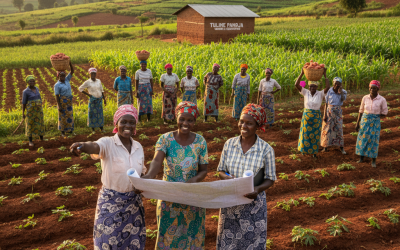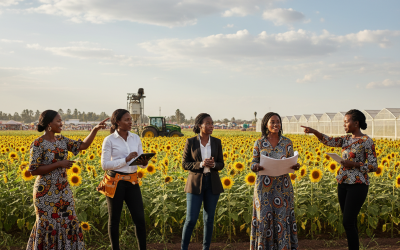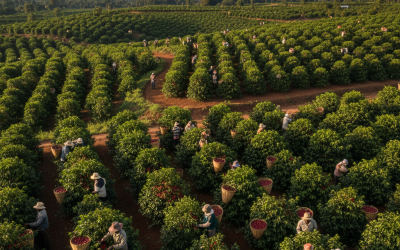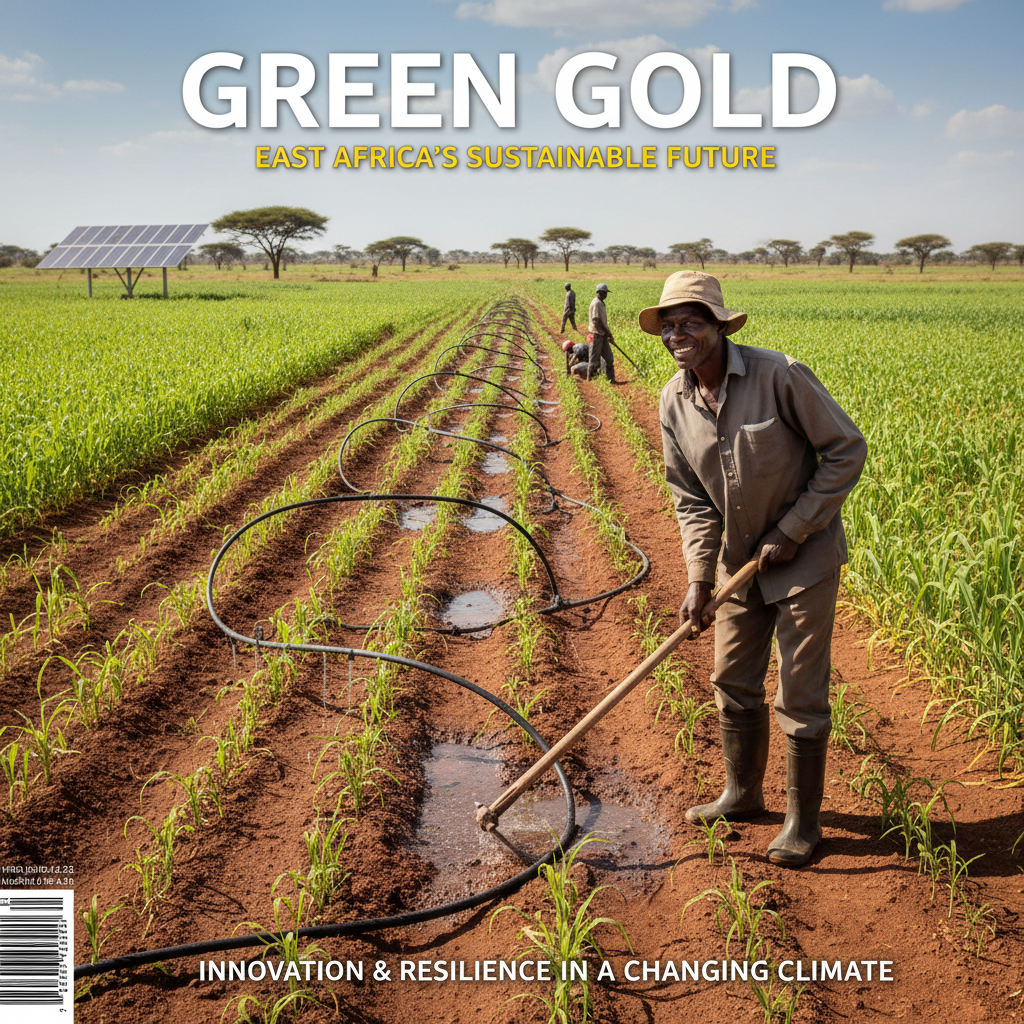
Agriculture is the backbone of East Africa’s economy, supporting millions of livelihoods. However, the region’s arid and semi-arid areas pose significant challenges to traditional farming methods due to limited rainfall and unpredictable climatic conditions. Innovative farming practices, such as drip irrigation, crop rotation, and drought-resistant crops, are transforming these challenges into opportunities. By adopting these practices, farmers in East Africa can significantly improve productivity and sustainability, even in the harshest environments.
The Power of Drip Irrigation
Drip irrigation is a game-changer for farmers in arid regions. Unlike traditional methods that rely on flooding fields, drip irrigation delivers water directly to the roots of plants, reducing water wastage and enhancing crop yields. This system conserves up to 60% of water compared to conventional irrigation methods, making it ideal for water-scarce areas.
Farmers in Kenya and Tanzania are increasingly adopting this technology, supported by government initiatives and non-profit organizations. For instance, initiatives like the “Farm to Market Alliance” provide affordable drip irrigation kits, enabling smallholder farmers to grow high-value crops like tomatoes and peppers.
Crop Rotation: A Time-Tested Solution
Crop rotation is another effective strategy for improving soil fertility and reducing pests in arid regions. By alternating crops seasonally, farmers can prevent the depletion of essential nutrients and minimize the risk of diseases.
For example, alternating nitrogen-fixing legumes, such as beans, with cereals like maize helps replenish soil nutrients naturally. This practice not only boosts yields but also reduces dependency on chemical fertilizers, lowering costs for farmers and promoting sustainable farming.
Embracing Drought-Resistant Crops
Drought-resistant crops, such as sorghum, millet, and cassava, are vital for ensuring food security in arid areas. These crops are genetically adapted to withstand extreme heat and require minimal water.
East African agricultural research institutions, such as the Kenya Agricultural and Livestock Research Organization (KALRO), have developed improved varieties of these crops. These advancements enable farmers to achieve higher yields and diversify their income sources, even during prolonged droughts.
Combining Efforts for Maximum Impact
The integration of drip irrigation, crop rotation, and drought-resistant crops can create a resilient agricultural system. Governments, NGOs, and private sector players must work together to provide training, resources, and financial support to farmers in arid regions. Scaling these practices across East Africa will not only improve food security but also empower communities economically.
Conclusion
Innovative farming practices are revolutionizing agriculture in East Africa’s arid regions. By adopting efficient irrigation systems, rotating crops, and cultivating drought-resistant varieties, farmers can overcome the challenges of climate change and water scarcity. These practices are not only sustainable but also vital for enhancing food security and fostering economic growth in the region.
World Economic Forum – Innovative Farming in Arid Regions
https://www.weforum.org/stories/2023/06/innovative-growing-food-farming-arid
Wikifarmer – Water-Saving Agricultural Practices
https://wikifarmer.com/library/
FAO – Drought-Resilient Crops
https://www.fao.org/innovations/crop-varieties/
 WhatsApp for a Google-Ready Website