Tanzania’s rich volcanic soils and favorable climate make it one of the best coffee-producing regions in the world. Coffee farming is not only a lucrative venture but also a significant contributor to the country’s economy. For aspiring entrepreneurs, starting a coffee farm in Tanzania offers immense potential for profitability, provided they follow the right steps. This guide provides a practical roadmap for setting up a thriving coffee farm, from land preparation to accessing global markets.
Selecting the Right Location
The foundation of a successful coffee farm begins with choosing the ideal location. Regions like Mbeya, Kilimanjaro, and Arusha are renowned for their premium coffee production. These areas offer the perfect altitude, temperature, and soil conditions for growing Arabica coffee, the most sought-after variety.
When selecting land, ensure it is well-drained and rich in organic matter. Access to reliable water sources and transportation infrastructure is also crucial for operational efficiency.
Preparing the Land and Planting
Once the location is secured, land preparation is the next critical step. Clear the land of weeds and unwanted vegetation, and conduct soil testing to determine nutrient levels. Enrich the soil with organic compost or manure to promote healthy plant growth.
Coffee seedlings should be purchased from certified nurseries to ensure high-quality plants. Spacing is crucial\u2014plants should be spaced approximately 8 feet apart to allow proper airflow and sunlight penetration. Additionally, shade trees can be planted to protect the coffee plants from excessive sunlight and maintain soil moisture.
Managing and Maintaining the Farm
Successful coffee farming requires ongoing care and management. Regular weeding, mulching, and pruning are essential to maintain plant health and productivity. Coffee plants also need to be protected from pests and diseases such as coffee berry disease and leaf rust. Integrated pest management practices, including the use of organic pesticides, can help address these challenges.
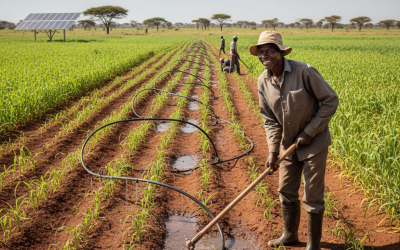
Irrigation is another key factor. While coffee plants are relatively drought-tolerant, supplemental watering during dry spells can significantly enhance yields.
Harvesting and Processing
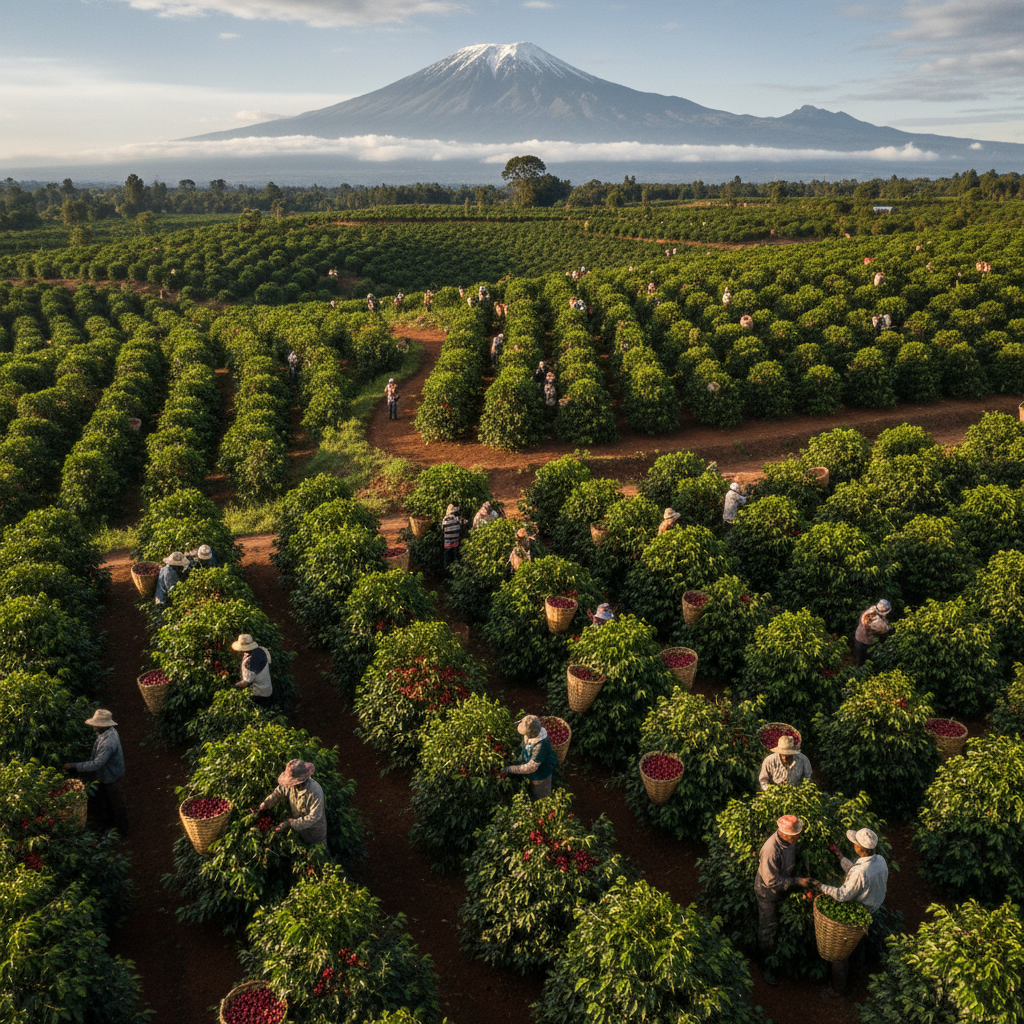
Coffee harvesting in Tanzania typically begins in May and ends in October. Only ripe, red cherries should be picked to ensure high-quality coffee. Harvesting can be done manually or with the help of simple tools to minimize damage to the plants.
After harvesting, the coffee cherries must be processed to extract the beans. The two main methods are:
Wet Processing: Involves fermenting and washing the cherries to remove the pulp.
Dry Processing: Cherries are sun-dried before the beans are extracted.
Proper drying and storage are critical to preserving the quality of the beans.
Accessing Markets and Exporting
Once the coffee is processed, the next step is finding buyers. Local cooperatives and export agencies can connect farmers with both domestic and international markets. Tanzania’s Coffee Board provides valuable resources for farmers looking to export their products globally.
Marketing your coffee as organic or fair trade can also attract premium prices in the international market. Building relationships with exporters and roasters is essential for long-term profitability.
Conclusion
Starting a profitable coffee farm in Tanzania requires careful planning, dedication, and knowledge of best practices. By selecting the right location, investing in quality seedlings, and adhering to sustainable farming practices, entrepreneurs can tap into the lucrative global coffee market. With proper management and market access, coffee farming can be a rewarding venture both financially and environmentally.
Tanzania Coffee Board
https://www.tcb.go.tz
SNV Tanzania – Agribusiness Setup Guide
https://snv.org/project/agribusiness-opportunities-tanzania
ITC – Coffee Exporting Guide
https://www.intracen.org
 WhatsApp for a Google-Ready Website