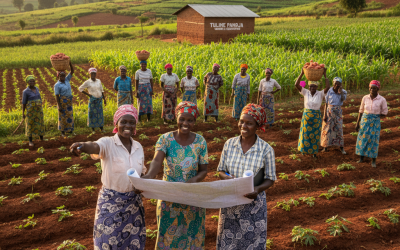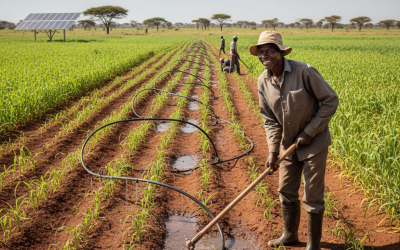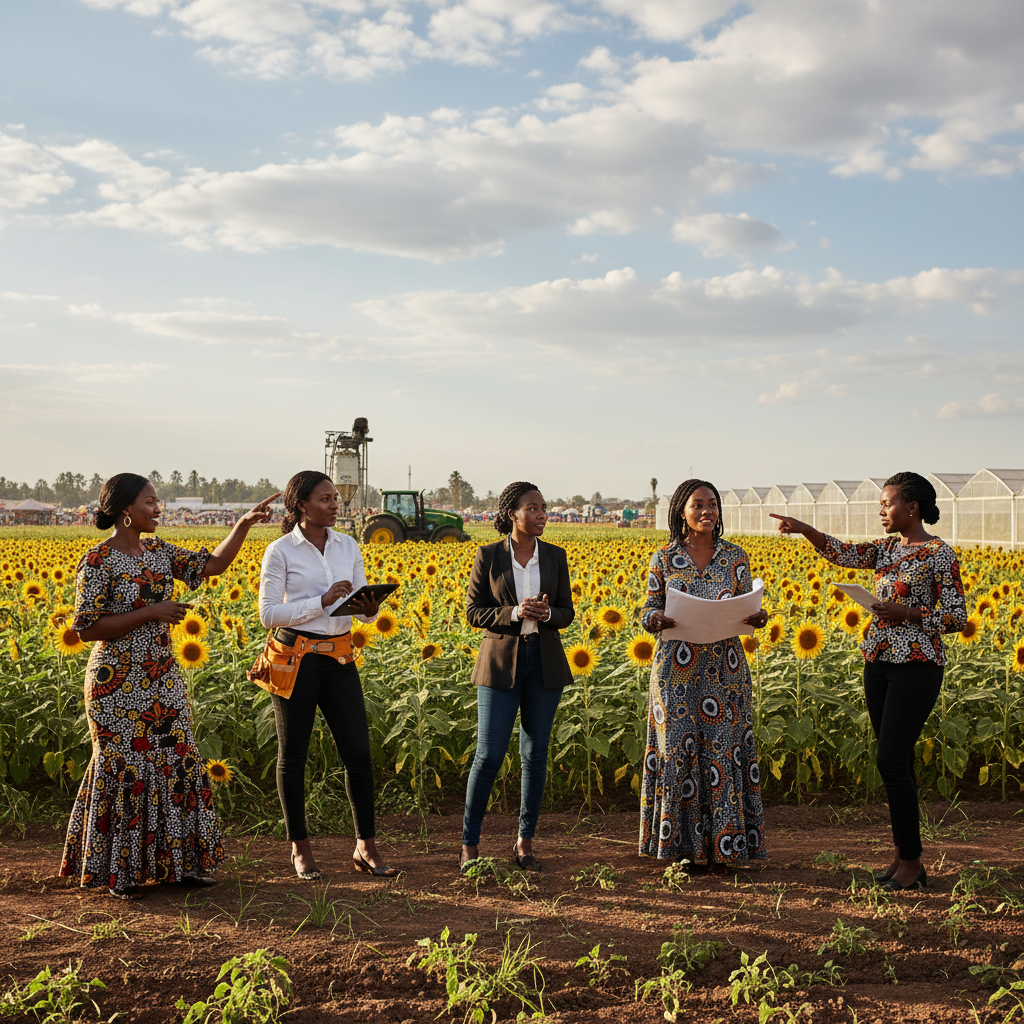
Across East Africa, women are redefining agriculture by leading innovative agri-business ventures that address food security, empower communities, and drive economic growth. Despite facing challenges like limited access to land, funding, and resources, these trailblazing entrepreneurs are breaking barriers and transforming the agricultural sector. This article highlights the contributions and success stories of women entrepreneurs making a mark in agri-business.
Breaking Barriers in Agriculture
Women in East Africa contribute significantly to agriculture, yet they face systemic obstacles such as unequal access to land ownership, financial services, and agricultural training. Organizations like FAO and UN Women are working to bridge these gaps through initiatives that provide women farmers with the tools and resources they need to thrive.
For instance, programs in Kenya are equipping women with financial literacy skills and connecting them with microloans tailored for agribusiness development. These interventions have enabled many women to scale their ventures and invest in innovative farming practices.
Leading Innovative Agri-Business Ventures
Several women entrepreneurs in East Africa are making waves with their groundbreaking agri-businesses. One such example is Sylvia Banda, the founder of Sylva Food Solutions in Zambia, who specializes in value addition for indigenous crops. Her company not only boosts farmers’ incomes but also promotes healthier eating habits by turning local produce into ready-to-eat foods.
In Uganda, a cooperative of women farmers led by Mary Luyiga has transformed banana farming by adopting solar-powered dryers to produce high-quality banana chips. This innovation has expanded their market reach and significantly increased their income.
Social and Economic Impact
The impact of women-led agri-businesses goes beyond profits. These ventures are empowering communities by creating jobs, improving food security, and inspiring other women to join the sector. Studies show that women reinvest up to 90% of their earnings into their families and communities, amplifying the positive effects of their businesses.
For example, a women-led dairy cooperative in Tanzania has not only improved milk production but also funded educational programs for children in the community. These ripple effects demonstrate the transformative power of women in agriculture.
Challenges and Support Systems
While women entrepreneurs in agri-business are making remarkable strides, challenges such as gender discrimination, limited access to markets, and inadequate infrastructure persist. Governments and development partners must prioritize gender-inclusive policies, provide grants and subsidies, and create platforms for networking and mentorship.
Conclusion
Women entrepreneurs in agri-business are catalysts for change, proving that with the right support, they can drive innovation and sustainability in East Africa’s agricultural sector. By investing in these leaders and addressing systemic barriers, stakeholders can unlock the immense potential of women in agriculture and create a more inclusive and prosperous future.
FAO – Women in Agriculture
https://www.fao.org/women-agriculture
UN Women – Empowering Female Farmers
https://www.unwomen.org/en/what-we-do/female-farmers
World Bank – Women in Agribusiness Success Stories
https://www.worldbank.org/women-agriculture-success
 WhatsApp for a Google-Ready Website