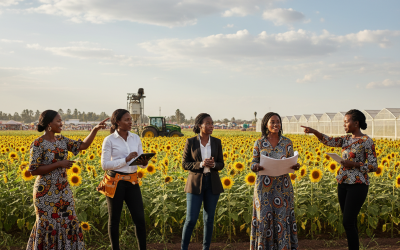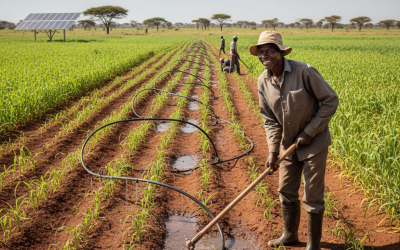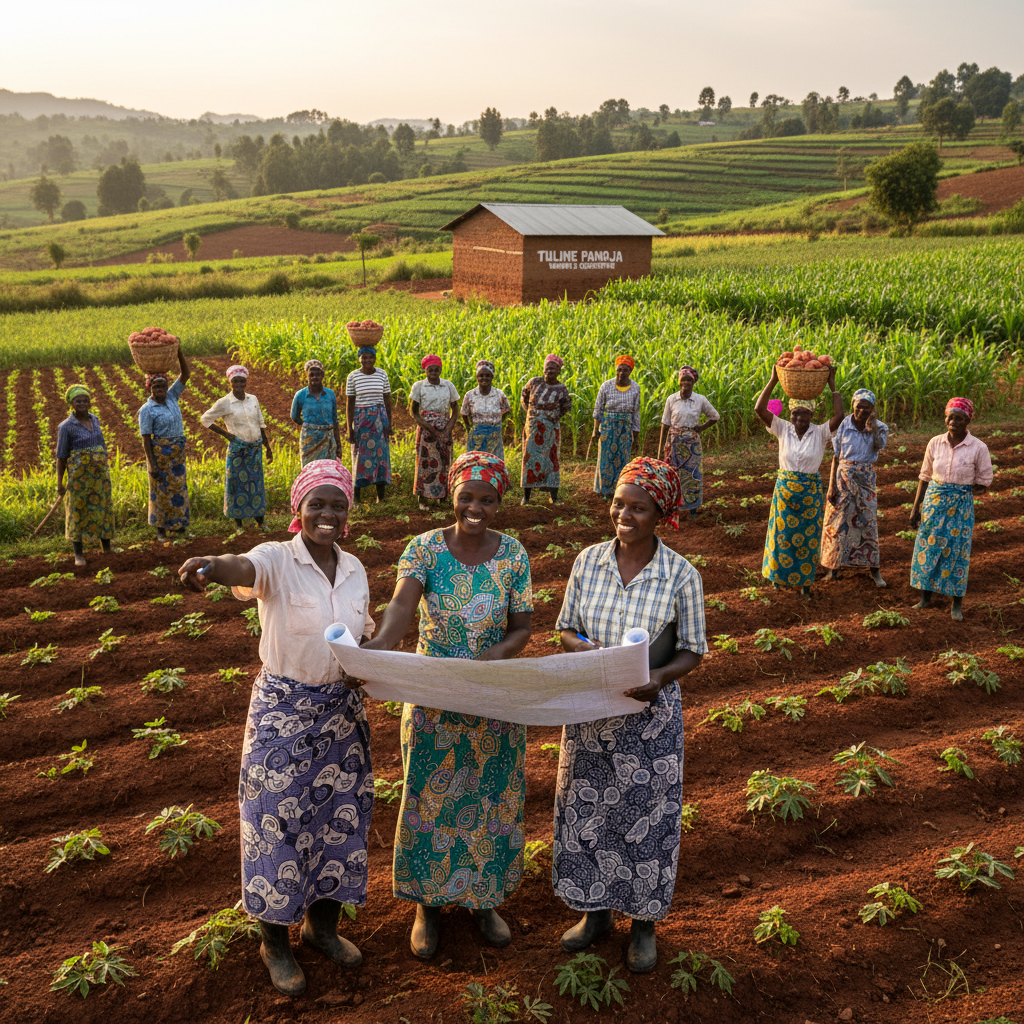
In Uganda, agriculture is a cornerstone of the economy, employing over 70% of the population. Among these agricultural workers, women play a pivotal role, contributing significantly to food production and rural development. Despite facing challenges such as limited access to land and credit, women farmers are leading transformative initiatives that are reshaping Uganda’s agricultural landscape. Their resilience and innovation are not only enhancing productivity but also driving social and economic empowerment in rural communities.
The Key Role of Women in Agriculture
Women farmers are responsible for approximately 80% of food production in Uganda, making them indispensable to the country’s agricultural sector. They manage smallholder farms, grow subsistence crops, and increasingly venture into commercial farming. Their efforts ensure food security for millions of households while contributing to local and national economies.
Overcoming Barriers to Success
Despite their significant contributions, women in agriculture face several challenges:
Land Ownership: Cultural norms often restrict women’s access to land, with less than 20% owning land titles.
Access to Credit: Limited financial resources prevent many women from purchasing inputs like seeds, fertilizers, and farming equipment.
Education and Training: A lack of access to agricultural training further hampers productivity.
To overcome these barriers, organizations such as FAO and UN Women are providing tailored programs that include financial literacy, skills training, and access to markets. These initiatives empower women farmers to thrive despite systemic obstacles.
Success Stories of Women Farmers
Uganda is home to numerous inspiring examples of women farmers making a difference. In the Luwero District, a women-led cooperative specializes in growing high-yield cassava and bananas. By pooling resources, these farmers have not only increased their income but also reinvested in their community by funding a local school.
Another example is a group of women in the Gulu District who adopted climate-smart agricultural practices. By planting drought-resistant crops and utilizing organic fertilizers, they have improved yields while safeguarding the environment.
The Ripple Effect of Empowering Women Farmers
Empowering women farmers creates a ripple effect that benefits entire communities. Studies show that when women have control over agricultural income, they prioritize spending on education, healthcare, and nutrition. This enhances the overall well-being of households and fosters community development.
Driving Change Through Policy and Collaboration
The Ugandan government, alongside NGOs and private entities, must strengthen support systems for women in agriculture. Policies promoting land rights, access to credit, and agricultural extension services are critical for sustaining progress. Public-private partnerships can also play a pivotal role in scaling successful models across the country.
Conclusion
Women farmers in rural Uganda are proving to be agents of change, overcoming challenges to transform agriculture and uplift their communities. By investing in their empowerment, stakeholders can unlock the full potential of Uganda’s agricultural sector. These women exemplify resilience and innovation, setting the stage for a more inclusive and prosperous future in farming.
FAO – Women in Agriculture in Uganda
https://www.fao.org/uganda/women
UN Women – Empowering Rural Women
https://www.unwomen.org/en/what-we-do/uganda-rural-empowerment
Africa Renewal – Women Farming Leaders
https://www.un.org/africarenewal/magazine
 WhatsApp for a Google-Ready Website